Description
Product Introduction (Non-Templated)
Condensation pooling inside steam turbine extraction lines represents a catastrophic mechanical hazard that can destroy rotor blades in seconds. Plant operators rely on fast-acting sensor loops to catch moisture accumulation long before a destructive slug reaches the casing.
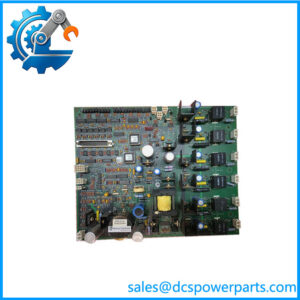
The IS200WETBH1B mounts securely inside the core termination cabinet, translating raw signals from water detection probes into safe diagnostic inputs for the primary controller. Integrating this dedicated interface board ensures seamless legacy PLC replacement without requiring modifications to existing field sensor cabling.
Key Technical Specifications
- Board Type: Water Detection Terminal Board (WETB)
- Compatible Control Systems: GE Mark VI and Mark VIe architecture
- Interface Wiring: Heavy-duty barrier strip terminal blocks for field sensors
- Environmental Protection: Industrial conformal coating against humidity and sulfur
- Mounting Style: Standard DIN-rail or cabinet standoff panel mount
- Diagnostics: Local LED indicators for power rail status and channel activity
- Operating Temperature: -30°C to +65°C (-22°F to 149°F)
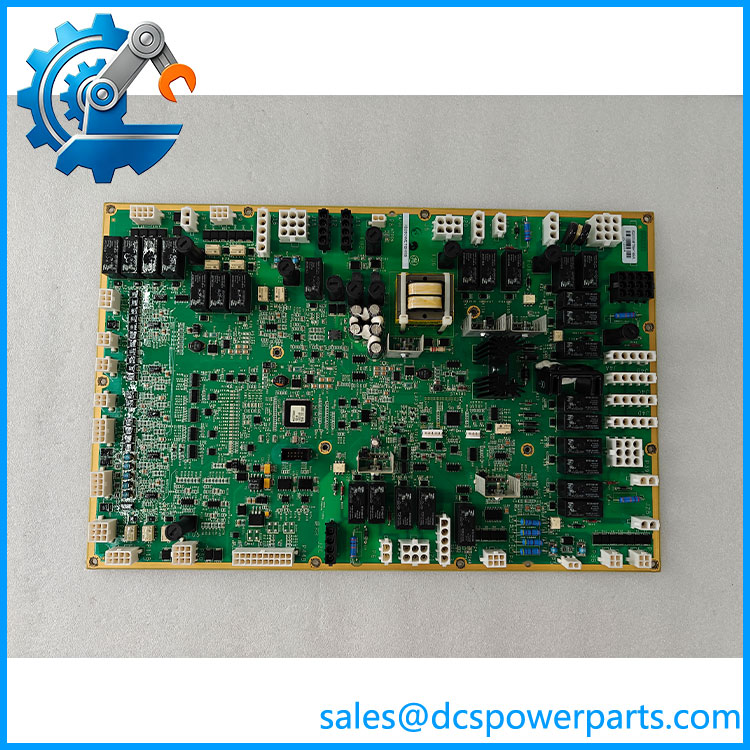
IS200WETBH1B
Application Scenarios & Pain Points
Water induction events in high-pressure steam turbines generate immediate, multi-million-dollar damage profiles that demand absolute reliability from protection instrumentation.
- Steam Power Generation: Monitoring drain pot level switches and extraction line moisture probes where delayed tripping results in sheared blading.
- Combined Cycle Plants: Interfacing fast-response capacitive water sensors directly with emergency shutdown logic loops.
- Industrial Cogeneration: Managing low-point drain monitors across complex steam distribution headers exposed to severe thermal cycling.
A combined-cycle facility in the Pacific Northwest experienced nuisance trips on a main steam line drain due to a degraded terminal interface. Swapping the failing board for a verified surplus IS200WETBH1B cleared the spurious alarms and restored stable moisture monitoring.
Related Products
- IS200TBQAH1B: Discrete input/output terminal board; handles standard valve control logic rather than specialized analog water induction probes.
- DS200TCQAG1B: Thermocouple terminal board; manages high-accuracy temperature readings across adjacent turbine zones instead of moisture detection loops.
- IS220PTCCH1A: High-density thermocouple I/O pack; utilized in newer Mark VIe architectures to process temperature signals tied to thermal expansion monitoring.
- IS200WETBH1A: Earlier revision of the water detection board; features minor layout variations and differing component tolerances compared to the revised H1B variant.
- IS200DSPCH1A: Digital signal processor board; processes the raw conditioned inputs collected downstream from the WETB terminal assembly.
The Engineer’s Guide: Field Pitfalls to Avoid
- Moisture Ingress on Terminal Blocks: Allowing condensation to bridge the closely spaced barrier strip screws triggers false water detection trips. How to avoid: Ensure cabinet enclosure heaters are operational and verify that cable gland seals are properly torqued against humidity.
- Revision Incompatibility: Swapping an H1A board with an H1B version without checking software mapping configurations can disrupt input scaling. How to avoid: Cross-reference your ToolboxST configuration parameters against the physical board revision before commissioning the loop.
- Over-Torquing Field Screws: Forcibly tightening the wire clamp screws can crack the delicate phenolic terminal block base (take it easy with the screwdriver here—snapping a terminal block insert means pulling the entire board assembly back out).
Frequently Asked Questions (FAQ)
- Can the IS200WETBH1B be used in both Mark VI and Mark VIe systems? Yes, this terminal board acts as a physical interface layer compatible with specific core mounting arrangements across both platform generations.
- What causes random water detection alarms on this board? Spurious trips are typically caused by accumulated carbon tracking on the sensor probes, damaged field cable insulation, or moisture contamination inside the local terminal box.
- Is this board responsible for direct relay switching during an emergency trip? No, it conditions and routes sensor signals back to the main processor, which executes the safety shutdown logic routines.
- Do I need to recalibrate the system after replacing the board? Standard practice involves verifying sensor loop resistance and checking channel diagnostic states in the controller software, though direct electronic calibration of the terminal board itself is generally unnecessary.
- What condition are these replacement boards shipped in? Units are available as either factory-sealed OEM surplus or thoroughly bench-tested refurbished hardware backed by a quality warranty.