Description
Product Overview
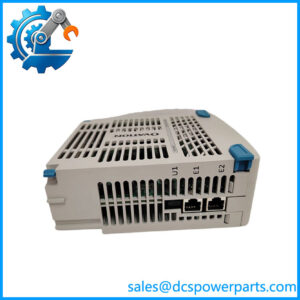
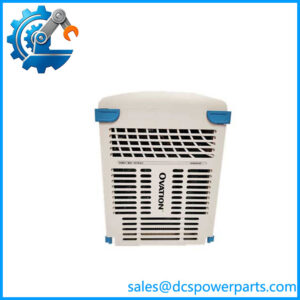
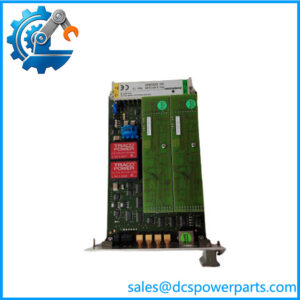
The Emerson KJ3002X1-BF1 12P1732X042 is an RTD input module designed for the Emerson DeltaV distributed control system, providing direct temperature signal acquisition from resistance temperature detector sensors. Installed within a DeltaV I/O carrier, the module receives field-level RTD signals, performs signal conversion and temperature calculation, and transfers engineering values to the DeltaV controller for monitoring, alarming, and process control functions. The Emerson KJ3002X1-BF1 12P1732X042 is part of the DeltaV Series 2 I/O family and is commonly used in process industries where accurate temperature measurement is required across production equipment.
Within a DeltaV control architecture, the KJ3002X1-BF1 12P1732X042 operates as a field interface between RTD sensors and controller-level applications. The module supports eight RTD input channels and is designed for applications such as reactor temperature monitoring, heat exchanger control, furnace monitoring, and process skid instrumentation. The module receives resistance-based temperature signals and provides standardized process data to DeltaV control modules, operator stations, and historical data systems.
The Emerson KJ3002X1-BF1 12P1732X042 remains widely used in plants maintaining existing DeltaV installations because replacing individual I/O cards is often more practical than redesigning a complete control system. For lifecycle support projects, engineers should verify carrier compatibility, DeltaV version requirements, terminal block key position, and hardware revision before installation. Field replacement work should also confirm sensor type, wiring method, and calibration requirements to avoid incorrect temperature scaling or channel configuration issues.
Product Introduction (Non-Templated)
Temperature measurement failures in a process unit often begin with a single failed input channel rather than a complete controller problem. The KJ3002X1-BF1 12P1732X042 provides an eight-channel RTD interface for restoring temperature acquisition inside DeltaV I/O systems.
Designed for DeltaV DCS environments, this RTD card supports legacy replacement projects and system expansion work. With 8 RTD channels and direct I/O carrier integration, it helps maintain existing control strategies without changing field wiring architecture.
Key Technical Specifications
| Parameter | Value |
|---|---|
| Product Model | KJ3002X1-BF1 |
| Alternate Part Number | 12P1732X042 |
| Manufacturer | Emerson |
| System Platform | DeltaV Distributed Control System |
| Product Type | RTD Input Module |
| Input Channels | 8 Channels |
| Input Signal Type | RTD Resistance Temperature Sensors |
| Field Circuit Rating | 5.5 VDC, 0.6 mA/channel |
| LocalBus Power | 12 VDC at 160 mA |
| Terminal Block Key Position | B2 / C position depending on carrier configuration |
| Operating Temperature | 0°C to +60°C |
| Installation | DeltaV I/O Carrier |
| Protection Rating | IP20 |
| Application | Temperature measurement and process monitoring |
| Condition | New Surplus, Factory Sealed |
Related Products
- KJ3002X1-BA1 — DeltaV analog input module supporting 4–20 mA HART field signals. Used when transmitter-based measurement is required instead of direct RTD sensing.
- KJ3002X1-BG2 — DeltaV thermocouple input module with eight channels. Suitable for temperature applications using thermocouple sensors rather than RTDs.
- KJ3001X1-CA1 — Digital input module for discrete field status monitoring such as switches, contacts, and equipment feedback signals.
- KJ3001X1-CB1 — Digital output module designed for discrete control commands to field devices.
- KJ3224X1-EA1 — DeltaV I/O-related module family component used in scalable process system configurations.
- VE4003S2B10 — Emerson DeltaV I/O hardware reference associated with field interface applications.
- KJ1501X1-BC1 — DeltaV power supply module used with compatible I/O system installations requiring proper module power management.
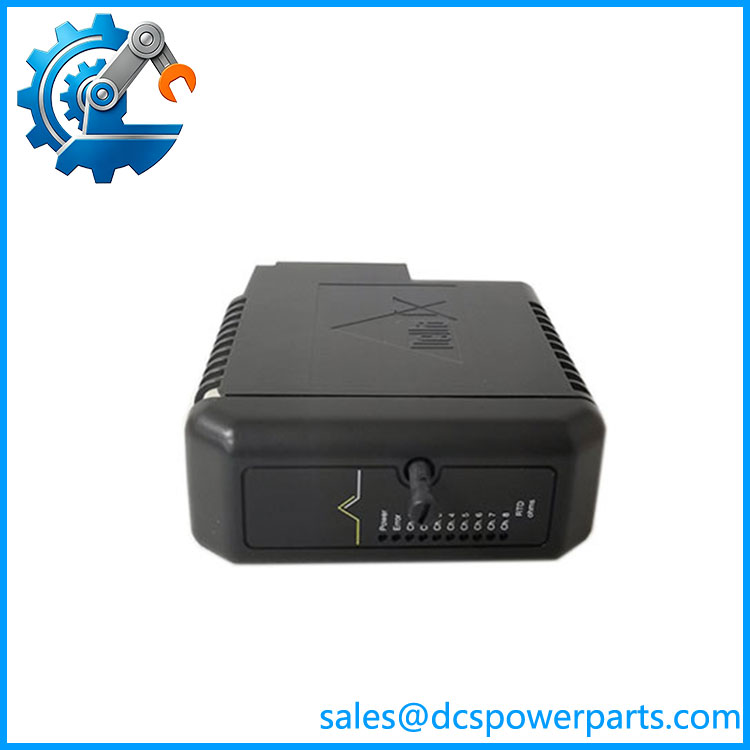
KJ3002X1-BF1 12P1732X042
Frequently Asked Questions (FAQ)
1. Is the Emerson 12P1732X042 compatible with my existing DeltaV system?
Compatibility depends on the installed DeltaV hardware revision and I/O carrier configuration.
Before replacement, verify:
- DeltaV system version
- I/O carrier type
- Terminal block key position
- Existing module part number
- Channel configuration
The module belongs to the DeltaV I/O family, but matching the exact hardware environment prevents commissioning issues.
2. Can I hot-swap this?
Yes, when installed in a properly configured DeltaV I/O carrier designed for energized module replacement.
The system must follow Emerson DeltaV installation procedures because field circuit conditions and carrier design determine whether online replacement is permitted.
3. Does this support firmware v3.1?
Firmware compatibility depends on the DeltaV controller version and installed I/O firmware database.
For technical verification:
- Confirm DeltaV Explorer hardware database compatibility
- Check module revision information
- Verify controller recognition after installation
A matching model number does not always guarantee identical behavior across older DeltaV releases.
4. Will I lose my control logic when replacing this RTD module?
No. The is an I/O interface module, not the primary location for DeltaV control strategies.
After replacement, engineers normally verify:
- RTD channel assignments
- Engineering unit scaling
- Alarm limits
- Control module references
The controller database retains the configured logic.
5. How can I verify a New Surplus Emerson is authentic?
A proper incoming inspection should include:
- Checking Emerson identification labels
- Confirming part number and revision markings
- Inspecting terminal connections
- Reviewing functional test records when available
New Surplus condition indicates unused inventory status, but electrical verification remains important before installation in critical loops.
6. Can this module support a DeltaV DCS upgrade project?
Yes. The is commonly considered for DeltaV lifecycle extension projects where existing RTD measurement infrastructure must remain active.
Typical applications include:
- Replacing failed temperature input cards
- Expanding existing I/O capacity
- Supporting maintenance of older DeltaV installations
7. What should be checked before installing the ?
Engineers should confirm:
- RTD sensor compatibility
- Wiring configuration
- DeltaV database configuration
- I/O carrier compatibility
- Channel calibration requirements
These checks reduce startup delays and prevent incorrect temperature readings after replacement.