Description
Product Overview
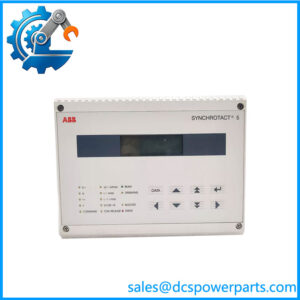
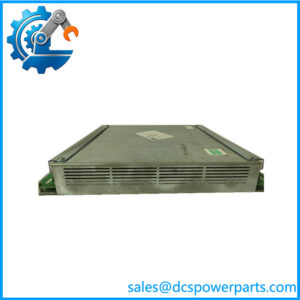
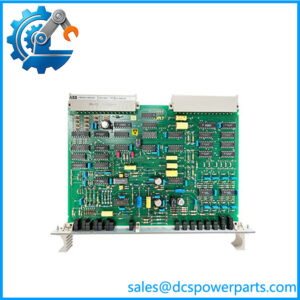
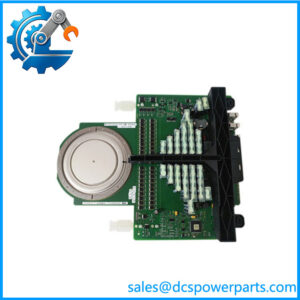
Mounted on standard DIN rail hardware, the ABB PFEA112‑20 3BSE030369R0020 is a signal‑processing unit built specifically for web tension monitoring within converting‑industry automation workflows. Paper, plastic film, textile and foil production lines feed physical tension readings from roller‑mounted load cells directly to the ABB PFEA112‑20 3BSE030369R0020. Internal filtering routines clean noisy sensor data before the module transmits stabilized measurement values to drives, PLC hardware or upper‑level process controllers. The unit removes much of the tension‑calculation workload from your main automation processor, shortening response times on high‑speed unwind‑rewind sections.
The ABB PFEA112‑20 3BSE030369R0020 belongs to the wider PFEA tension‑electronics family, designed to work alongside ABB PFTL series load‑cell sensors without extra signal‑conditioning hardware. Its 4‑digit LED front display lets maintenance technicians pull live tension readings locally, no laptop connection required. Profibus‑DP communication capability sends scaled tension data back over plant‑fieldbus networks, so operators track tension profiles from control‑room HMIs.‑though this depends on ambient temp‑, the module holds stable measurement accuracy across long production runs, reducing material breakage and web wrinkling caused by sudden, uncorrected tension shifts. Facility teams deploy the ABB PFEA112‑20 3BSE030369R0020 both on brand‑new web‑tension builds and during DCS system upgrade projects that refresh aging tension‑control hardware on existing production machinery.
Product Introduction
Many older analog tension‑signal boards drift after 5‑7 years of continuous operation, creating unplanned web breaks that waste long runs of coated film. This hardware eliminates that risk.
Built to pair with two‑sensor roller assemblies, the ABB PFEA112‑20 3BSE030369R0020 delivers updated tension‑signal processing for legacy replacement on web lines. It draws 7.5 W of operating power and locks to tension readings in as little as 15 ms, supporting fast‑speed converting lines that cannot tolerate slow measurement feedback loopsABB Group.
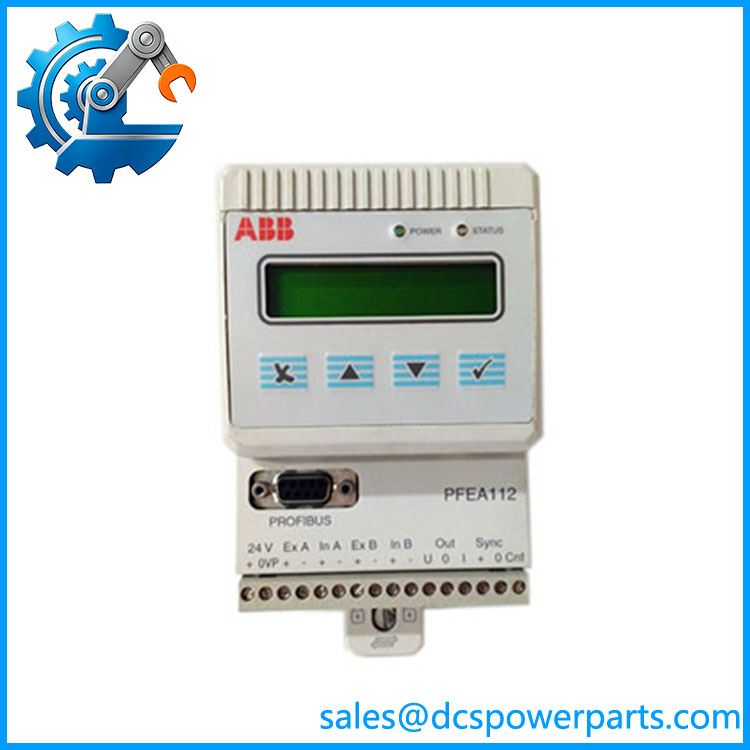
PFEA112-20 3BSE030369R0020
Key Technical Specifications
- Model ID: PFEA112‑20, 3BSE030369R0020
- Power Supply: 24 VDC (18 V‑36 V operating range)
- Power Consumption: 7.5 W
- Load‑Cell Inputs: 2 channels
- Analog Output Options: 0‑10 V, 0‑20 mA, 4‑20 mA
- Response Filter Settings: 15 ms, 30 ms, 75 ms, 250 ms, 750 ms, 1500 ms
- Communication Interface: Profibus‑DP
- Mounting: DIN‑rail
- Protection Rating: IP20
- Operating Temperature: ‑20 °C to +60 °C
6.Related Products
- PFEA111‑20: Compact tension electronics unit, shares the same two‑channel load‑cell layout as ‑20 without Profibus‑DP communication; suited for simple analog‑only tension monitoring zones where fieldbus data transfer is not required.
- PFEA122‑20: Extended‑range DIN‑rail tension module, matching core hardware specifications of the ‑20, with adjusted firmware optimized for high‑load metal‑foil and heavy textile web applications.
- PFEA113‑20: Four‑input tension electronics expansion unit, accepts signals from up to four load‑cells; used on multi‑roller web sections needing extra sensor channels that one ABB ‑20 cannot cover.
- PFTL‑101E: Tension load‑cell sensor, primary field sensor hardware; sends raw tension force measurements back to the ‑20 for conversion and processing.
- PFTL‑301E: Heavy‑duty web‑tension load‑cell, built for high‑force paper or steel‑strip lines; fully compatible when wired to the two sensor‑input ports on the ABB ‑20.
- 3BSE041810R0001: Profibus scaling configuration document, used to calibrate data scaling values sent over the bus network from ‑20 to your plant PLC.
Frequently Asked Questions (FAQ)
- Can I hot‑swap this ABB ‑20 while my web line remains powered? Hot‑swap is not supported. You must cut 24 VDC power to the module before removal. Live‑plugging can corrupt active tension calibration data and trigger unplanned output jumps that cause web breaks. Shut down your tension‑control zone before carrying out replacement work.
- Does this ABB ‑20 support firmware v3.1? Yes. Factory‑new surplus units ship with firmware v3.1 pre‑loaded. Older firmware versions from legacy hardware can be restored if you require an exact match with your existing tension system parameters.
- Will I lose my tension‑calibration logic if I install a new‑surplus ‑20 unit? Calibration values live inside the module’s onboard memory. The new hardware comes with factory default settings. Save your current load‑cell gain and offset values before swap‑out, then manually reprogram those parameters into the replacement module after installation.
- Is this 3BSE030369R0020 an original ABB factory product? All new‑surplus stock comes from original OEM production runs. No third‑party rebuilt or cloned hardware is supplied with this part number. Packaging seals remain intact at dispatch to confirm authenticity.
- Can one ‑20 read tension data from more than two load‑cells? No. Hardware circuits only support two physical load‑cell inputs. Lines with 3 or 4 tension sensors need either a PFEA113‑20 or multiple separate ‑20 modules.
- What happens if my load‑cell cable resistance exceeds 5 Ohms? Measurement accuracy begins to drift. The ‑20 hardware specification limits total cable resistance per sensor channel to 5 Ω. Longer wiring runs require heavier gauge copper conductors to stay within this resistance threshold.