Description
Valmet IOP329 Universal Isolated Analog Input Module
Product Overview
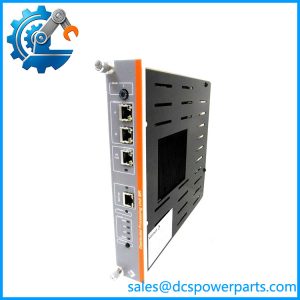
The Valmet IOP329 is a universal isolated analog input module used in the maxPAC I/O architecture originally associated with Metso Automation. The module is designed to bring field analog signals into the control system while maintaining channel isolation, making it suitable for process instrumentation where grounding differences, field-device power arrangements, and signal integrity need to be managed at the I/O level. Current technical records identify IOP329 specifically as a universal isolated analog input module installed in maxPAC I/O racks.
The Valmet IOP329 belongs to the same maxPAC I/O family as other dedicated input and output modules. The maxPAC hardware documentation distinguishes analog output modules such as IOP320 and isolated analog output IOP321 from the input modules, showing that the system uses purpose-built I/O modules rather than one generic universal card. IOP329 should therefore be evaluated as part of the maxPAC rack and DPU architecture rather than as a standalone PLC analog card.
For replacement work, the Valmet IOP329 needs to be matched to the installed maxPAC rack, backplane, DPU configuration, field wiring, and software configuration. Valmet now owns the former Metso Process Automation Systems business, so legacy documentation and hardware may appear under either Metso Automation or Valmet identification. Valmet confirms that its automation business includes the process-automation portfolio transferred from Metso.
Technical Specifications
| Parameter | Specification |
|---|---|
| Product Model | |
| Manufacturer / Brand | Valmet / Metso Automation |
| Product Type | Universal isolated analog input module |
| Product Family | maxPAC I/O |
| Input Channels | 8 |
| Signal Type | Analog |
| Isolation | Channel/input isolation |
| Installation | maxPAC I/O rack |
| System Interface | maxPAC backplane |
| Controller Association | maxPAC DPU |
| Field Application | Process instrumentation |
| Communications | Internal I/O rack communication |
| External Ethernet | Not documented as a standalone interface |
| Mounting | Rack / backplane |
| Operating Temperature | Verify against applicable maxPAC hardware documentation |
| Protection Rating | Rack/system dependent |
| Accuracy | Signal-range and configuration dependent; verify system documentation |
The maxPAC hardware reference explicitly describes the platform as using dedicated I/O modules and identifies IOP320 and IOP321 as eight-channel analog output modules. The available record identifies it as a universal isolated analog input module, but I would not publish a specific input range, excitation voltage, accuracy figure, or temperature rating without the applicable hardware manual.
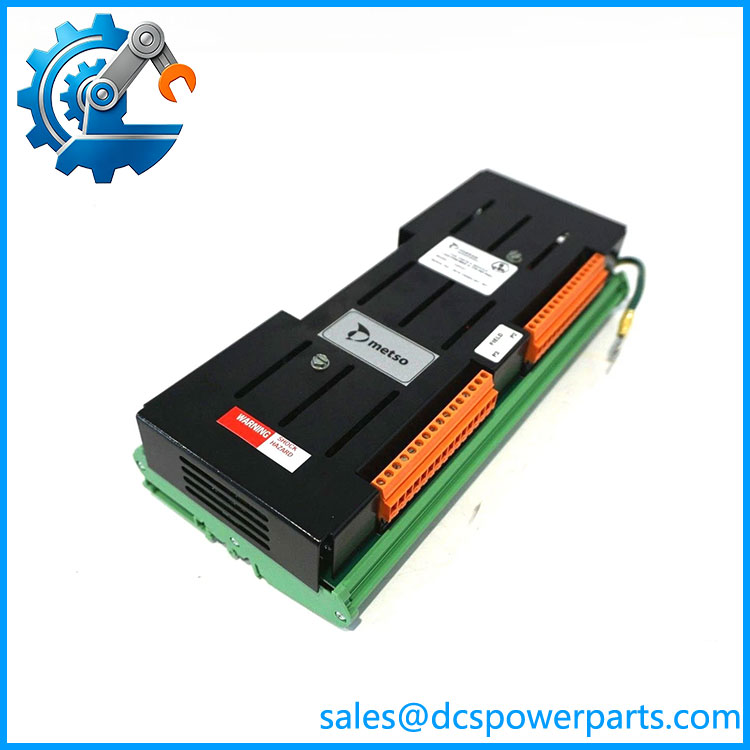
IOP329
Main Features and Engineering Considerations
The defining feature of the is its combination of universal analog input capability and isolation. That makes it relevant to process-control installations where analog transmitters, sensors, and other field instruments may operate at different electrical potentials. Isolation can reduce problems caused by ground loops and unwanted coupling, but it does not eliminate the need for correct field grounding and shielding.
The eight-channel architecture also means that channel-level documentation matters. Before replacing an , engineers should document what each channel is actually receiving rather than assuming that every channel uses the same signal type. A process rack may contain current-loop instruments, voltage signals, or other supported analog configurations. The exact signal range and configuration must be checked against the installed application.
The communicates through the maxPAC I/O architecture rather than acting as a modern standalone Ethernet I/O block. The maxPAC documentation shows I/O modules communicating with the DPU through the rack/backplane architecture. This distinction is important when diagnosing a failed module: a communication problem may originate from the DPU, rack power, backplane, module seating, or configuration rather than from the analog circuitry itself.
Legacy status is another practical concern. Because this hardware originates from the Metso Automation maxPAC generation and the Process Automation Systems business is now part of Valmet, records can appear under both company names.
Procurement and Replacement Checks
- Confirm the module marking is .
- Verify the installed system is maxPAC.
- Confirm the rack and DPU model.
- Record all eight channel assignments before removal.
- Verify each field signal type and range.
- Check terminal wiring and shield connections.
- Inspect the rack backplane connector for oxidation or mechanical damage.
- Confirm the replacement’s hardware revision.
- Preserve the existing I/O configuration before replacement.
- Perform channel-by-channel loop testing after installation.
Application Scenarios
- Process automation systems
- Pulp and paper plants
- Power-generation process control
- Chemical processing
- Water and wastewater treatment
- Distributed analog instrumentation
- Legacy maxPAC control systems
- Industrial process measurement
is specifically documented for maxPAC I/O racks, while Valmet’s current automation business covers pulp, energy, paper, and related process industries.
Engineer’s Guide: Field Pitfalls
Do not confuse with an analog output module.
The maxPAC family contains dedicated analog output modules such as IOP320 and isolated output IOP321. is an analog input module.
Do not assume a generic 4–20 mA specification.
The word “universal” does not mean every possible signal type or range is automatically supported. Confirm the actual configured signal type from the maxPAC documentation and application configuration.
Check all eight channels.
Replacing the module without documenting the existing channel assignments can create a difficult commissioning problem, especially when several transmitter types share the same rack.
Inspect the backplane.
A replacement module cannot correct a damaged or contaminated rack connector. Check seating, contacts, rack power, and adjacent module condition.
Preserve configuration data.
The physical is only one element of the I/O path. DPU configuration and channel definitions need to remain consistent with the installed field wiring.
Do not assume modern Ethernet I/O behavior.
belongs to the maxPAC rack architecture. The module should be diagnosed together with its rack, backplane, DPU, and system configuration.
Frequently Asked Questions
What is Valmet ?
It is a universal isolated analog input module for the maxPAC I/O system originally associated with Metso Automation.
How many channels does have?
Available maxPAC records identify the as an 8-channel universal isolated analog input module.
Is an analog output module?
No. is an analog input module. The maxPAC documentation separately identifies IOP320 and IOP321 as analog output modules.
Is a Valmet or Metso product?
The hardware originates from the Metso Automation process-automation portfolio. Valmet subsequently acquired Metso’s Process Automation Systems business, so legacy documentation can legitimately appear under either name.
Does have Ethernet?
It should not be treated as a standalone Ethernet I/O device. Its system interface is through the maxPAC I/O rack and backplane.
What should be checked before purchasing an replacement?
Verify the maxPAC rack, DPU, module revision, eight channel assignments, field signal types, terminal wiring, backplane condition, and software configuration. For critical replacement work, also verify the exact input ranges from the applicable technical documentation rather than relying on generic reseller specifications.
Procurement Note
For a legacy , the most important point is system compatibility rather than simply matching the module name. Confirm the maxPAC rack and DPU architecture, exact board revision, field-channel configuration, and backplane condition. The available evidence securely identifies as an eight-channel universal isolated analog input module, but I would not treat unverified voltage/current ranges or accuracy figures as procurement specifications.