Description
Product Introduction (Non-Templated)
Plant engineers maintaining legacy gas turbine control enclosures or heavy industrial VME racks face severe operational risks when a central processor board fails unexpectedly. Finding an exact, drop-in replacement hardware variant is critical to bypassing months of costly control software rewrites and system migration work.
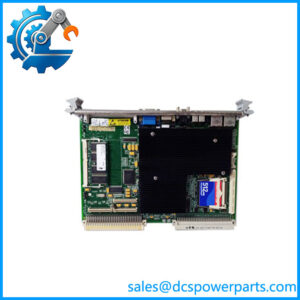
The V7768-312001 delivers dependable, high-speed computing and robust VMEbus integration within demanding General Electric automation architectures. Deploying this direct replacement module restores critical processing power while preserving complete compatibility with existing backplane pinouts and slot configurations.
Key Technical Specifications
- Processor Architecture: Intel Core 2 Duo processor series
- System Bus Interface: Standard VMEbus backplane architecture
- Mounting Style: Standard single-slot VMEbus module layout with secure injector/extractor handles
- Operating Temperature Range: 0°C to 55°C (32°F to 131°F)
- Enclosure Protection: Open-chassis industrial multi-layer circuit board design
- Diagnostics: Integrated on-board status LEDs for power rails, bus traffic, and CPU health
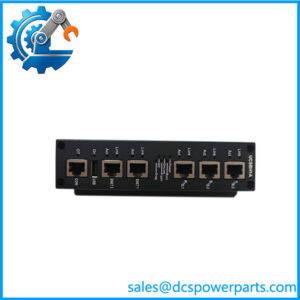
- Connectivity: Front-panel and backplane communications ports (application-dependent)
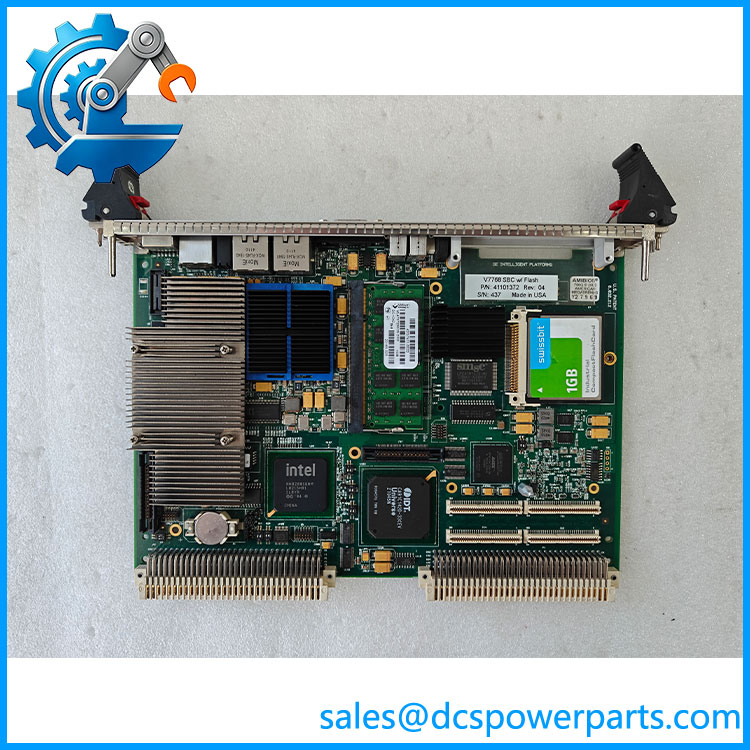
V7768-312001
Application Scenarios & Pain Points
Unexpected processor halts on continuous turbine control skids or heavy industrial automation loops introduce severe plant downtime and complex recovery procedures.
- Gas Turbine Control Skids: Managing high-speed fuel regulation and auxiliary sequencing logic inside legacy Mark-series environments.
- Aerospace & Defense Test Rigs: Processing high-throughput telemetry and real-time data acquisition over VME infrastructure.
- Heavy Industrial Automation: Coordinating distributed control signals across rugged, high-vibration backplane racks.
A combined-cycle power facility in the Midwest experienced intermittent watchdog timeouts on an aging VME processor chassis during peak seasonal load swings. Swapping out the erratic CPU board for a verified surplus V7768-312001 cleared the system fault registers and restored stable rack execution loops immediately.
Related Products
- MVME55006E-0163: Motorola / Artesyn PowerPC VME single board computer; alternative high-performance VME processor board architecture.
- IS220PPRFH1B: PROFIBUS master gateway module; handles industrial network bus communications outside of VME rack environments.
- IC086SLM082: Genius bus controller module; manages legacy serial node traffic within older GE automation racks.
- MVAX31S1DE0754A: Auxiliary protection relay; supervises high-voltage switchgear tripping circuits independently of computer racks.
- RXE2N0F7G132A: GE RXi-XP industrial PC; handles high-level SCADA visualization separate from VME hardware cores.
The Engineer’s Guide: Field Pitfalls to Avoid
- Backplane Pin Alignment Stress: Jamming the VME board into the backplane connector too quickly can bend delicate rear multipin connectors and ruin slot communication. How to avoid: Guide the card smoothly along the enclosure chassis card rails until it seats firmly against the backplane before locking the front-panel injector handles.
- Electrostatic Discharge (ESD) Vulnerability: Handling bare circuit boards without an active grounded wrist strap can instantly destroy static-sensitive microprocessors. How to avoid: Discharge your static potential against the metal VME rack chassis before touching any component traces or connector pins.
- BIOS and Configuration Jumpers: Transferring configuration settings or NVRAM profiles incorrectly from a failed board causes system boot failures. How to avoid: Always document and map the exact jumper configurations and BIOS parameters of your original unit before installing the replacement module.
Frequently Asked Questions (FAQ)
- Can the V7768-312001 be hot-swapped in a live VME rack? No, standard industrial safety protocols and VME architectures require cutting power to the rack or local backplane bus before inserting or removing processor boards.
- What operating systems are typically supported on this CPU board? It runs specialized real-time operating systems (RTOS) or embedded industrial environments tailored for Intel x86 architecture control applications.
- Are factory-sealed surplus units tested prior to shipment? Yes, verified surplus hardware undergoes extensive bench simulation testing to validate memory integrity, network interfaces, and VMEbus communication registers.
- What is the purpose of the front-panel handles? They provide the necessary mechanical leverage to seat and unseat the dense backplane pin connectors safely without warping the circuit board.
- Why do older VME processor boards suffer sudden hardware failures? Over extended operational lifespans, electrolytic capacitor drying, continuous thermal cycling, and backplane vibration stress are the primary drivers of component aging.