Description
Product Overview
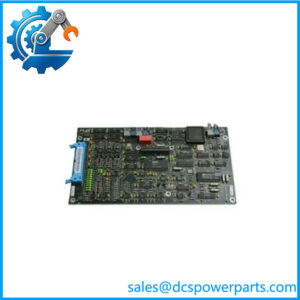
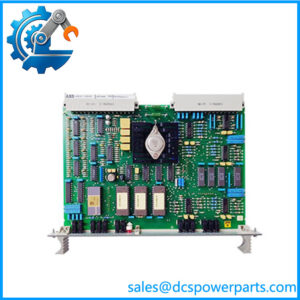
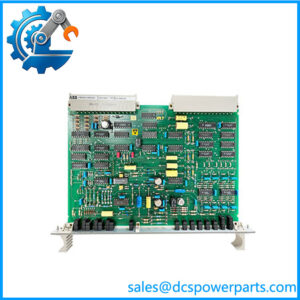
MM20-Z6Z6Z6Z6EAHH is a media module, not a switch: it is the plug-in card that gives a Hirschmann MICE modular switch its physical ports. Four identical Z6 characters in the product code mean all four positions are SFP cages for 100 Mbit/s Fast Ethernet optics — no copper, no combo ports, and no way to convert one to the other after the fact, because the port type is fixed at order time by the code itself.
The trailing letters carry more weight than buyers usually assume. In the MICE media-module code table, E marks the extended temperature class, −40 °C to +70 °C, together with a conformal coating on the PCB; S would be the 0 °C to +60 °C standard class with no coating; T is extended temperature without the coating. The A position selects the industrial approval set that includes CE, UL 508 and ISA 12.12.01 Class I Division 2, and the series as a whole carries the ATEX marking II 3 G Ex nA IIC T4 Gc at the temperature range its code permits. Two modules that look identical on the faceplate can therefore differ in whether they survive a cabinet full of sulphurous air.
What the module does not contain is equally important. All four cages are empty on delivery; the reach, wavelength, connector type and optical budget belong to the SFP transceivers you fit. A MM20-Z6Z6Z6Z6EAHH with long-haul single-mode optics and the same module with multimode optics are the same spare part and two completely different links — which is why a spare module without matching spare SFPs is a spare that cannot restore a ring.
The platform has been retired. Belden placed the MM20 media-module family on obsolescence notice in 2025 and distributors now list these codes as end-of-life, so anything bought today is stock from the spares channel; the value of knowing the exact suffix is that a SAHH unit will physically fit where an EAHH came out and quietly under-perform the environment it was specified for.
Technical Specifications
表格
| Parameter | Value |
|---|---|
| Model / product code | MM20-Z6Z6Z6Z6EAHH |
| Manufacturer | Hirschmann Automation and Control (Belden) |
| Product type | Fast Ethernet media module, MICE open variant |
| Port configuration | 4 × SFP slot (Z6), 100BASE-FX |
| Line rate | 100 Mbit/s per port, Fast Ethernet |
| Optics | Hirschmann M-FAST SFP transceivers, MM or SM, customer-fitted |
| Connector | Determined by the SFP fitted (LC duplex typical) |
| Temperature class | E — −40 °C to +70 °C with conformal PCB coating |
| Approval tier | A — CE, UL 508, ISA 12.12.01 Class I Division 2 |
| Hazardous area marking | II 3 G Ex nA IIC T4 Gc, series marking |
| Host units | MS20 and MS30 base units; MB20 adds two slots |
| Power supply | Via switch backplane, hot-swappable |
| Protection / mounting | IP20, plug-in slot with captive retaining screws |
| Storage temperature | −40 °C to +85 °C |
| Lifecycle status | Obsolete — Belden PCN 15 JUL 2025 |
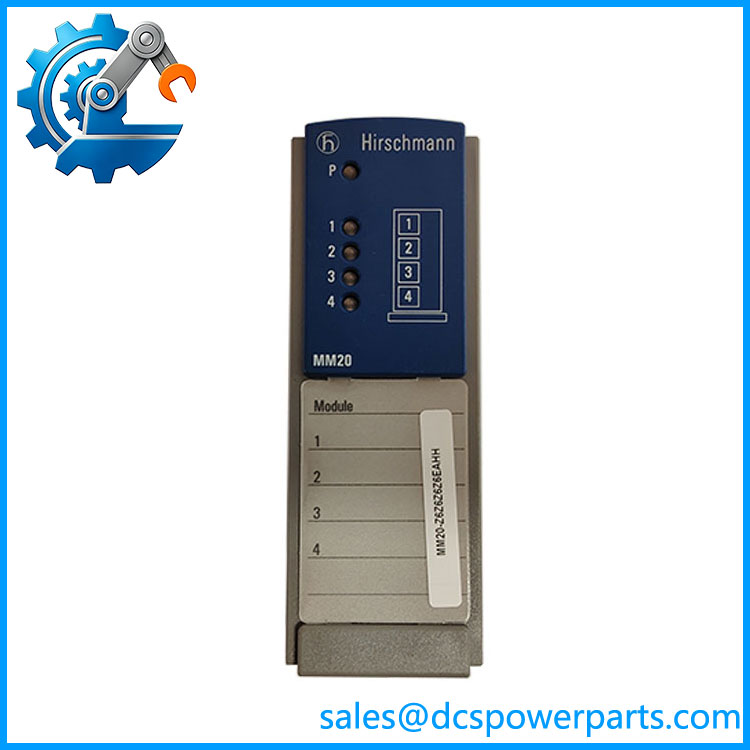
MM20-Z6Z6Z6Z6EAHH
Key Features and Advantages
Four SFP cages instead of fixed optics: the MM20-Z6Z6Z6Z6EAHH lets one module type serve a 300 m multimode segment and a long single-mode span, changing only the transceiver. In a plant where fiber runs range from a few dozen metres inside a building to kilometres along a pipeline, that removes the need to stock a different media module for every distance.
Conformal coating that is invisible and decisive: the E class covers the PCB against moisture, conductive dust and corrosive vapours, and it is the difference between a module that lives a decade in a cabinet near a chlorine line and one that develops leakage paths in three years. Because the coating leaves no obvious external mark, the only reliable way to know what is in a slot is the code on the label.
Hot insertion on a live backplane: the module is recognised by the base unit when seated, and the port LEDs report link and activity immediately, so a failed card in a ring can be replaced without stopping the switch or the process behind it. The mechanical discipline is modest but unforgiving — the card must be fully seated before the two captive screws are tightened, or the backplane contact becomes intermittent and the ring starts reconfiguring for reasons nobody can find.
Temperature and approval tiers that follow the code: at −40 °C to +70 °C the E variant covers unheated outdoor cabinets and cold-start conditions that a S variant rated 0 °C to +60 °C will not, and the Class I Division 2 approval tier keeps the installation legal where the cabinet sits in a classified area.
Fast Ethernet at four ports per slot width: for the control-plane traffic these MICE switches actually carry — MRP ring supervision, PROFINET or EtherNet/IP I/O, HMI polling — 100 Mbit/s fibre with deterministic ring recovery remains sufficient, and the module’s failure modes are simpler than a gigabit combo card’s.
Cost realism: the module is obsolete and the optics are the perishable part. Holding MM20-Z6Z6Z6Z6EAHH spares without a matched set of SFP transceivers, and without checking whether the installed base is EAHH or SAHH, is the mistake that turns a cheap spare into an expensive outage.
Applications
Ring-based plant networks in process plants use this module to put the fibre segments of an MRP or redundant ring onto an MS20 or MS30 chassis, typically with two cages populated for the ring and two left free for a future spur — a configuration that only works because the ports are SFP rather than fixed copper.
Outdoor and semi-exposed cabinets — wellhead sites, pipeline metering skids, water and wastewater stations — are where the E class earns its price: −40 °C cold starts and a coated board against condensation and corrosive atmosphere, in enclosures that are heated but not air-conditioned.
Machinery and plant-floor cells with long cable runs between line sections use the four fiber ports to bridge electrically noisy areas, where copper segments would pick up drive and welding interference and where galvanic isolation between cabinets avoids earth-loop currents.
Transport and infrastructure installations apply the series where the EN 50121-4 approval tier is coded, for tunnel and trackside network segments that must ride out vibration and wide temperature swings.
Legacy MICE estates, most of all: systems built on MS20/MS30 chassis ten or fifteen years ago, still running the process, now sourcing MM20-Z6Z6Z6Z6EAHH from the spares market because the original module is no longer manufactured and because the alternative is replacing a working switch chassis that nothing else in the cabinet depends on changing.
Related Products
MM20-Z6Z6Z6Z6SAHH — same four SFP layout in the standard 0 °C to +60 °C class without conformal coating; fits the same slot, does not match the environmental rating. MM20-Z6Z6Z6Z6TAHH — extended temperature −40 °C to +70 °C without the coating; the intermediate step between S and E. MM20-Z6Z6Z6Z6EBHH — coating plus the higher approval tier; related by code position, not interchangeable on approval grounds. MM20-Z6Z6T1T1… variants — hybrid two SFP plus two RJ45 copper ports, same module family, different port mix fixed at order. MM20-T1T1T1T1SAHH — four copper 10/100BASE-TX ports, the all-copper counterpart of this module. MB20 — expansion module (old designation MB-2T), adds two media-module slots to MS20-1600, MS30-1602 and MICE 3000/4000 base units. MS20-1600 / MS30-1602 — MICE base units this module plugs into; the switch identity and management live there, not in the media card. MM4-4TX/SFP — MICE 4000 generation four-port combo module, the same idea on a different chassis generation. M-FAST SFP-MM/LC and M-FAST SFP-SM/LC — the multimode and single-mode transceivers that give the four cages their actual reach.
Installation and Maintenance
Before installation: confirm the slot is free and the base unit is one this module is specified for, read the label to verify the code is EAHH and not a SAHH substituted earlier, then seat the card along the guide rails until the backplane connector is fully engaged before tightening both captive screws — a partially seated module powers up, links intermittently and produces ring reconfigurations that look like a network problem. Insert SFPs only after the module is recognised, keep dust caps on unoccupied cages, and confirm the fibre polarity and the SFP’s wavelength match the far end before closing the cabinet.
Maintenance practice: treat the module and the optics as two separate spare items and stock them together, because a with no transceivers restores nothing. On any suspected port, first swap the SFP and clean the end faces — contamination is the most common cause of a link that has slowly degraded — then check that the module is still recognised by the base unit. Record which code each slot carries so a future replacement matches the coating and temperature class, and remember that the whole family is end-of-life: buy spares while the channel still has them rather than at the moment of failure.
Warranty and Quality
Every is supplied as the four-slot Fast Ethernet SFP media module in the E-class coating and A-class approval configuration, verified against the code rather than the faceplate, since the coating that distinguishes it from a SAHH leaves no visible trace. Units are checked for backplane connector condition, cage integrity and LED function before dispatch and carry a 12-month repair, replacement or refund commitment. Support covers the parts of this module that are easy to get wrong — matching the code to the installed base, pairing spare modules with the right M-FAST SFPs, and separating a failed card from a dirty connector or a misconfigured ring — along with honest guidance on sourcing an obsolete MICE media module while stock still exists.