Description
Key Technical Specifications
| Parameter | Value |
|---|---|
| Manufacturer | Metso Automation / Valmet |
| Model | PDP601 |
| Product Type | PROFIBUS DP Communication Module |
| System Family | Metso DNA / maxPAC |
| Communication Standard | PROFIBUS DP |
| Physical Layer | RS-485 |
| Network Function | Field device communication interface |
| Supported Devices | Remote I/O, drives, intelligent field instruments |
| Data Exchange | Cyclic process data and diagnostic communication |
| Configuration | Metso DNA engineering environment |
| Installation | Metso automation rack / controller system |
| Application | Industrial process control networks |
Product Introduction
Metso PDP601 Overview
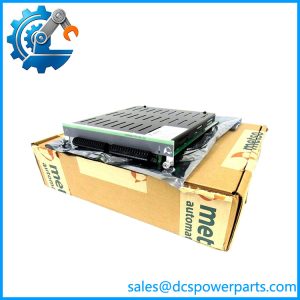
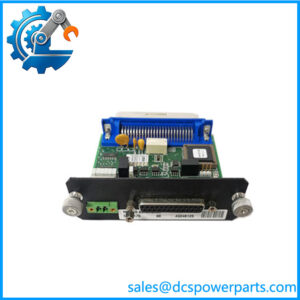
The Metso PDP601 PROFIBUS DP communication module is designed to provide fieldbus connectivity between Metso DNA automation systems and distributed field devices. It acts as a communication bridge between the control system and PROFIBUS-connected equipment, allowing process data, diagnostic information, and device status information to be exchanged across the industrial network.
The Metso PDP601 module is used in automation architectures where remote field devices need to communicate with centralized controllers over PROFIBUS. Instead of requiring individual point-to-point wiring for every signal, PROFIBUS allows multiple devices to share a structured communication network while maintaining deterministic data exchange suitable for industrial control applications.
The Metso Automation PDP601 is commonly applied in process industries where long-term operation, distributed control, and integration of third-party field devices are required. Typical connected equipment includes remote I/O stations, variable frequency drives, motor control systems, and intelligent measurement devices.
The Metso PDP601 communication interface operates as part of the larger Metso DNA control architecture. Proper operation depends on correct configuration of the engineering database, PROFIBUS device parameters, network addressing, and field wiring. The module itself does not replace controller logic; it provides the communication pathway required for data exchange between the controller and field network.
The Metso PROFIBUS module remains important in many installed Metso automation systems where plants continue operating proven DCS platforms. When replacing this module, engineers should verify the PROFIBUS network design, device addresses, bus speed settings, termination configuration, and existing application database.
A communication fault involving the does not always indicate module failure. PROFIBUS problems can also originate from cable damage, connector issues, incorrect termination, grounding problems, or configuration mismatches between the master and slave devices.
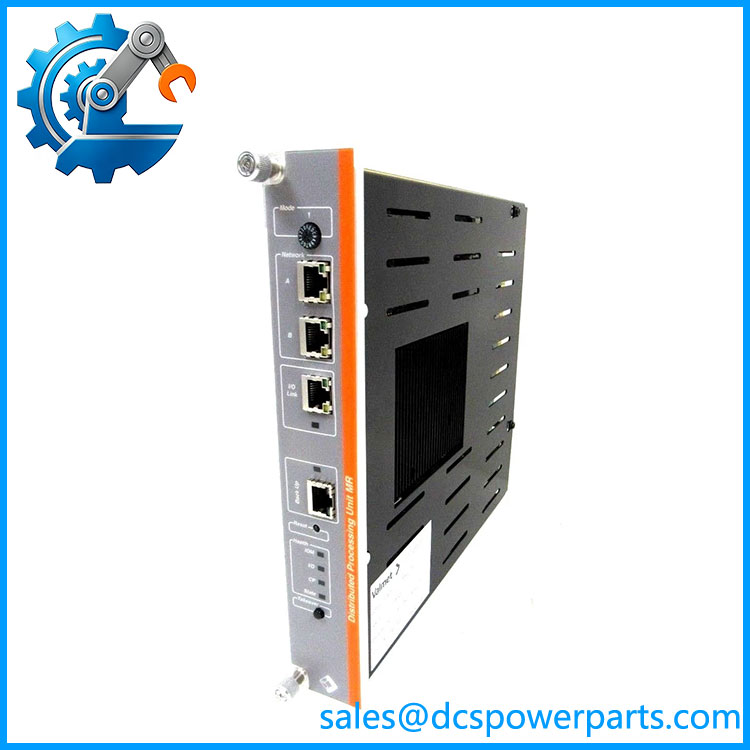
PDP601
Application Scenarios & Field Considerations
Engineering Pain Point
Typical communication problems include:
- PROFIBUS network interruptions
- Loss of remote I/O communication
- Drive communication alarms
- Device diagnostic failures
- Intermittent fieldbus errors
Potential causes:
- Incorrect PROFIBUS address settings
- Damaged communication cable
- Poor shielding or grounding
- Incorrect termination resistors
- Wrong device configuration files
Recommended troubleshooting steps:
- Check module status indicators
- Review Metso DNA communication diagnostics
- Verify PROFIBUS node addresses
- Inspect connectors and cable shielding
- Check bus termination points
- Compare network configuration with engineering records
The should be evaluated as part of the entire PROFIBUS network, including the controller, communication wiring, field devices, and software configuration.
Typical Applications
Pulp and Paper Automation
Used for:
- Distributed motor control
- Machine section automation
- Process instrument communication
Power Generation
Applied for:
- Auxiliary equipment control
- Motor drive communication
- Remote monitoring systems
Chemical and Process Industries
Used for:
- Intelligent field instrument integration
- Process control networks
- Distributed I/O communication
Manufacturing Systems
Applied for:
- Production equipment networking
- Drive systems
- Automated machinery communication
Technical Pitfalls to Avoid
1. Confirm PROFIBUS Network Parameters
Verify:
- Baud rate
- Device addresses
- Master/slave configuration
- GSD files
2. Inspect Physical Bus Installation
Check:
- PROFIBUS cable condition
- Connector wiring
- Shield continuity
- Termination resistors
3. Backup Configuration Before Replacement
Record:
- Module configuration
- Network settings
- Device mapping
- Controller database parameters
4. Perform Network Validation After Installation
Confirm:
- Module recognition
- Stable PROFIBUS communication
- Correct field device data exchange
- No communication diagnostics
Related Products
- Metso DNA Automation System
Distributed control platform supporting PROFIBUS-based field communication. - Metso maxPAC System
Earlier generation process control platform using modular I/O and communication interfaces. - Metso IOP Series Modules
Analog and digital field interface modules used with Metso automation systems. - Metso Remote I/O Systems
PROFIBUS-connected field interface equipment for decentralized process control.