Description
Product Introduction (Non-Templated)
Field technicians troubleshooting erratic sensor telemetry inside crowded control panels face harsh operational deadlines. When an aging conditioning card drops calibration or throws internal parity errors, sourcing an exact hardware match prevents costly downtime loops.
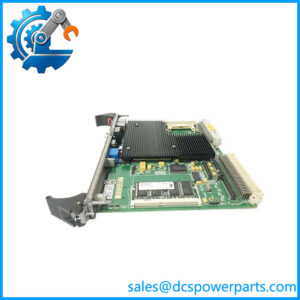
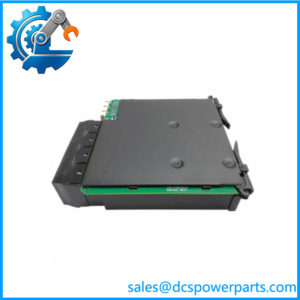
The MIGIIQI55E00HI00 restores stable signal routing across complex automation architectures. Integrating this direct replacement unit simplifies legacy PLC replacement without requiring custom panel rewiring or enclosure modifications.
Key Technical Specifications
- Module Architecture: Multi-channel signal conditioning and interface board
- Input Channels: Configurable multi-point analog/digital signal paths
- Nominal Voltage: 24 VDC system power rail (tolerance 19.2 to 28.8 VDC)
- Mounting Style: Standard panel standoff or backplane chassis slot
- Operating Temperature: 0°C to 55°C (32°F to 131°F)
- Enclosure Protection: Open-chassis industrial multi-layer PCB layout
- Terminal Type: Heavy-duty screw-clamp connection blocks
- Diagnostics: Integrated board-level power and status LED indicators
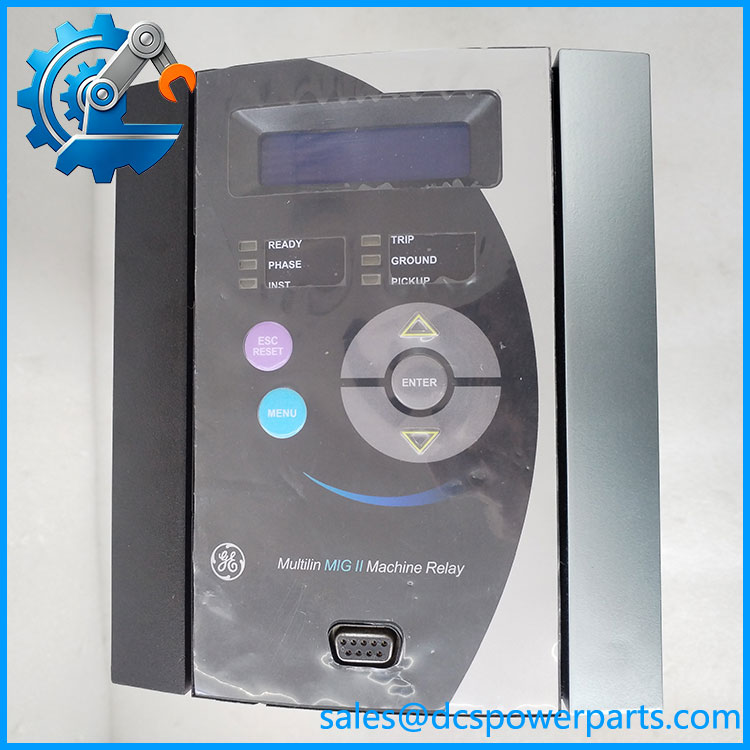
MIGIIQI55E00HI00
Application Scenarios & Pain Points
Maintenance logs show that unmitigated signal drift on primary control loops leads to catastrophic batch errors and unnecessary plant trips.
- Chemical Processing: Managing high-precision temperature and pressure sensor drops where signal noise triggers false safety interlocks.
- Water Treatment: Regulating remote flow meter loops distributed across long industrial cable runs exposed to electrical interference.
- Manufacturing Lines: Handling high-cycle sensor feeds on automated assembly chassis where timing jitter causes sorting halts.
A heavy manufacturing facility in the Midwest faced recurrent loop dropouts during peak summer ambient temperature swings—though your mileage may vary depending on local HVAC health. Swapping the erratic interface card for a verified surplus MIGIIQI55E00HI00 stabilized the telemetry feed immediately.
Related Products
- IS220PPRFH1B: PROFIBUS master gateway module; handles high-speed industrial network bus communications separate from local signal conditioning cards.
- IC086SLM082: Genius bus controller module; manages serial node communications within legacy automation control architectures.
- IS200WETBH1B: Water detection terminal board; processes specialized moisture sensor loops for industrial turbine installations.
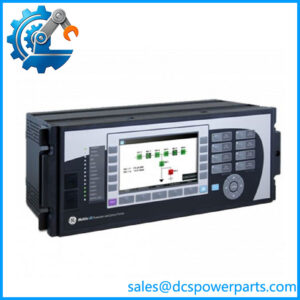
- MVAX31S1DE0754A: Auxiliary protection relay; supervises high-voltage switchgear tripping circuits independently of low-voltage logic boards.
- MM2-PD-1-2-120: Power distribution module; regulates 120V control rail feeds inside dense automation cabinets.
- DS3800HIOC: Mark IV digital I/O board; handles turbine-specific logic conditioning rather than general signal interface processing.
The Engineer’s Guide: Field Pitfalls to Avoid
- Unverified Revision Matching: Dropping a replacement board with an unverified firmware suffix into an active rack can cause silent pinout mismatches or communication faults. How to avoid: Always cross-reference the complete catalog string and suffix on your original unit against the replacement label before landing wires.
- Electrostatic Discharge Damage: Handling bare circuit boards without a grounded wrist strap can permanently destroy static-sensitive microchips. How to avoid: Discharge your static potential against the metal enclosure backplane before touching any component traces (watch your torque on those terminal screws—overtightening strips the block threads easily).
- Ignoring Thermal Ventilation: Allowing ambient cabinet temperatures to spike beyond design limits severely shortens electrolytic capacitor lifespan. How to avoid: Verify that panel cooling fans and air intake filters are clean and fully operational during routine maintenance turnarounds.
Frequently Asked Questions (FAQ)
- Can the MIGIIQI55E00HI00 be replaced while the control panel is energized? No, standard industrial safety protocols require cutting power to the rack or local distribution rail before pulling or seating interface hardware to prevent electrical arcing.
- What causes internal component degradation on older signal conditioning cards? Over extended operational lifespans, thermal stress cycling, micro-cracks in multi-layer PCB traces, and electrolyte drying inside capacitors lead to intermittent signal drift.
- Are factory-sealed surplus units tested prior to shipment? Yes, verified surplus components undergo comprehensive bench simulation testing to validate signal continuity, voltage thresholds, and response speeds under load.
- Does this module require software configuration updates upon installation? Because it functions primarily as a hardware-level signal interface component, a direct replacement generally operates seamlessly with existing system programming.
- What is the significance of the onboard LED indicator lights? They provide immediate visual verification of active power rails and operational status across the primary input and output loops.
- How do I prevent signal noise from corrupting data channels on this board? Ensure that all incoming signal cable shields are properly grounded at a single reference point to eliminate ground loops and induced electromagnetic interference.