Description
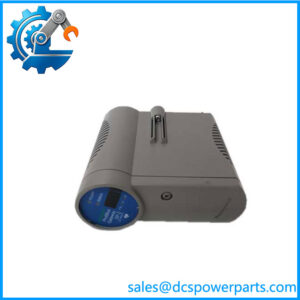
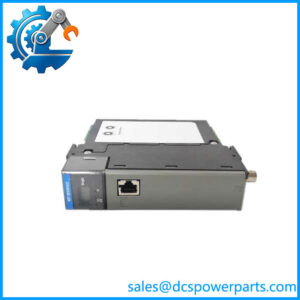
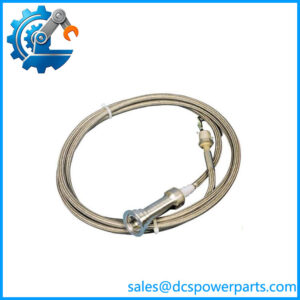
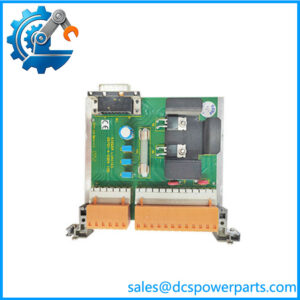
Honeywell C7012F1052 UV Flame Detector
Product Overview
The Honeywell C7012F1052 is a solid-state ultraviolet flame detector from Honeywell’s C7012 Purple Peeper family. It is designed to detect the ultraviolet radiation produced by combustion and provide flame-presence information to compatible Honeywell flame safeguard equipment. The Honeywell C7012F1052 is the explosion-proof, dynamic self-checking configuration intended for continuous-operation burner applications. Honeywell’s technical documentation identifies the model at 120 VAC, 50/60 Hz, with a 1-inch NPT mechanical connection, approximately 8 ft of lead wire, and an operating ambient range of −20 to +175°F (−29 to +79°C).
Unlike a conventional process transmitter or PLC analog input, the Honeywell C7012F1052 is part of a burner flame-safeguard chain. It optically monitors combustion ultraviolet radiation and works with the appropriate flame amplifier and burner-control equipment. Honeywell documentation associates the C7012F1052 with R78xx-series flame amplifiers, including R7247C and R7847C configurations.
The explosion-proof housing is important for installations where the flame detector is mounted in a classified burner environment. The Honeywell catalog identifies the F1052 configuration as an explosion-proof, two-piece cast-aluminum enclosure and specifies a shutter for the continuous-operation model. The viewing window is separately pressure-rated in available technical listings, with a 100 PSI rating reported for this configuration.
From a maintenance perspective, the C7012F1052 should be treated as a burner safety component, not merely an optical sensor. Correct flame-amplifier compatibility, wiring, detector alignment, burner sighting geometry, environmental conditions, and safety-system testing all matter. Honeywell’s own cross-reference confirms that remains the same replacement designation for this specific detector configuration, while some commercial sources identify the model as obsolete.
Product Introduction — Non-Templated
A flame detector has one job that cannot be treated like ordinary instrumentation: it must distinguish actual combustion from conditions that could falsely indicate flame. The uses ultraviolet flame sensing with dynamic self-checking and an explosion-proof housing for continuous-operation burner service.
For a legacy burner-control replacement, the important matching points are 120 VAC, 1-inch NPT, 8-ft leads, UV sensing, self-checking operation, and the applicable Honeywell flame amplifier. A mechanically similar flame scanner is not automatically a valid safety replacement.
Key Technical Specifications
| Parameter | Value |
|---|---|
| Product Model | |
| Full Product Reference | /U |
| Manufacturer | Honeywell |
| Product Family | C7012 Purple Peeper |
| Product Type | Dynamic self-checking ultraviolet flame detector |
| Detection Principle | Ultraviolet flame radiation |
| Application | Gas, oil, coal, and other fuel-fired burners |
| Operation | Continuous burner operation |
| Supply Voltage | 120 VAC |
| Frequency | 50 / 60 Hz |
| Mechanical Connection | 1-inch NPT |
| Lead Length | 8 ft / 96 in |
| Enclosure | Explosion-proof, two-piece cast aluminum |
| Shutter | Yes |
| Ambient Temperature | −20 to +175°F (−29 to +79°C) |
| Viewing Window Pressure Rating | 100 PSI |
| Dimensions | Approx. 8 in diameter × 12 in long |
| Weight | Approx. 14.5 lb / 6.6 kg |
| Flame Amplifier Compatibility | R7247C, R7847C and applicable R78xx-series configurations |
| NEMA / Hazardous Location | Explosion-proof / NEMA 7 configuration |
| Firmware | None; detector is not a programmable controller |
Honeywell’s combustion catalog gives the 120 VAC, 50/60 Hz supply, 1-inch NPT mounting, −20 to +175°F temperature range, explosion-proof construction, six NEC Class 1 color-coded lead wires, and approximately 14.5 lb weight for the /U configuration.
Honeywell’s cross-reference independently confirms the configuration as 120 V, 50/60 Hz, 1-inch NPT, 8/96-inch lead length, −20 to 175°F, solid-state, with shutter.
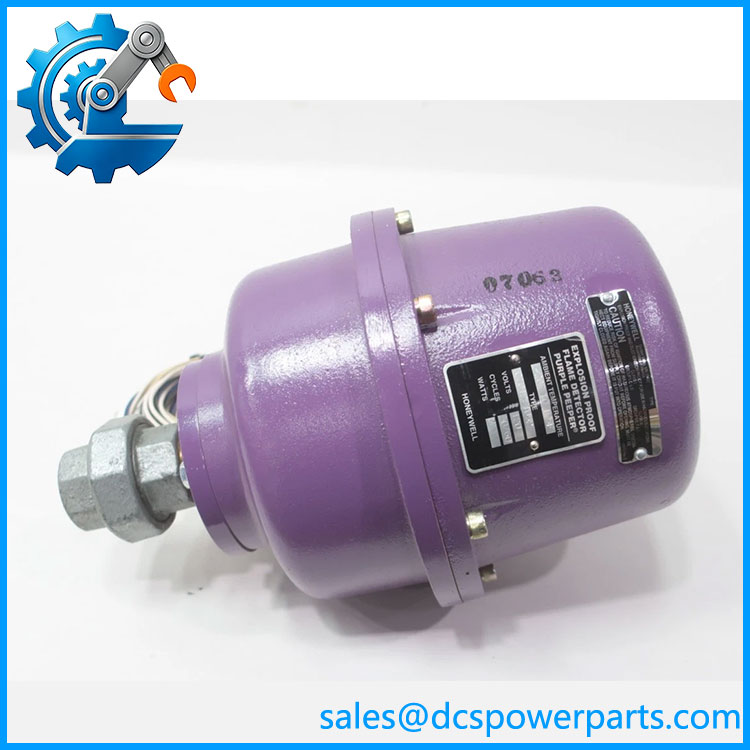
C7012F1052
Major Features / Practical Advantages
1. Ultraviolet Flame Detection
The detects ultraviolet radiation generated by combustion. This allows the burner-control system to determine whether the expected flame is present rather than relying on a general-purpose temperature or pressure signal.
The sensor is intended for industrial burner applications involving gas, oil, coal, and other fuels.
2. Dynamic Self-Checking
The F1052 configuration incorporates a mechanical shutter for dynamic self-checking. Honeywell’s cross-reference specifically identifies the model as solid-state with a shutter, while the combustion catalog places it in the continuous-operation category.
This distinction matters. Continuous-operation burner applications impose different flame-monitoring requirements from intermittent ignition applications.
3. Explosion-Proof Construction
The uses an explosion-proof, two-piece cast-aluminum enclosure. Honeywell documentation places this configuration in its explosion-proof flame-sensor family.
The enclosure should not be treated as a generic environmental housing. Installation must follow the applicable hazardous-location requirements, conduit practices, grounding requirements, and certification limitations for the specific site.
4. 120 VAC Field Supply
The exact configuration is designed for 120 VAC at 50/60 Hz.
This is an important procurement discriminator because other C7012 variants are available with different supply voltages. A C7012 detector with the same mechanical family designation but a different voltage code should not be assumed to be electrically interchangeable.
5. 1-Inch NPT Mounting
The detector uses a 1-inch NPT mechanical connection.
That makes physical installation relatively straightforward in compatible burner sighting assemblies, but the mechanical thread alone does not establish optical compatibility. Detector alignment and the burner sighting arrangement must also be checked.
6. Compatible With Honeywell Flame Amplifiers
Honeywell documentation identifies the /U with R7247C and R7847C flame amplifiers, while the broader C7012 family is used with R78xx-series flame-safeguard amplifiers.
This is a key system-level point: the detector and flame amplifier form part of one flame-supervision chain. Replacing the detector without verifying the amplifier and burner-control configuration can produce either a no-flame condition or an improperly supervised flame signal.
7. Designed for Continuous Operation
The F1052 configuration is specifically listed by Honeywell in the continuous-operation flame-detector category and includes the mechanical shutter used for dynamic self-checking.
That makes the exact suffix important when replacing older C7012 flame detectors.
8. Legacy Replacement Considerations
Current commercial records identify the as discontinued, while Honeywell’s cross-reference documentation still lists as the corresponding device for several older models.
For an installed burner system, do not select a replacement solely because a newer detector is advertised as a “replacement.” Verify flame-amplifier compatibility, mounting, optical characteristics, voltage, hazardous-location certification, lead arrangement, and burner-control approval.
Related Products
- Honeywell C7012F1037 — Earlier explosion-proof model for 120 VAC, 1-inch NPT, with Honeywell cross-reference identifying as its current replacement.
- Honeywell C7012F1003 — Earlier explosion-proof configuration that Honeywell cross-references to .
- Honeywell C7012F1060 — Related explosion-proof flame detector with 120 VAC and continuous-operation/self-checking configuration; JIS explosion-proof approval distinguishes it from the F1052.
- Honeywell C7012E1278 — solid-state UV flame detector with a 1-inch NPT connection and Brad Harrison connector; different enclosure/interface arrangement.
- Honeywell C7061F2001 — Later UV self-checking flame-detector family referenced by commercial replacement documentation for obsolete installations; compatibility must be verified at the complete burner-control-system level.
- Honeywell R7247C — Compatible flame-amplifier family documented with /U.
- Honeywell R7847C — Dynamic self-checking flame amplifier associated with the /U configuration.
- Honeywell R78xx Flame Amplifiers — Broader Honeywell amplifier family used with -series flame detectors and burner safeguard controls.
FAQ
What is Honeywell used for?
The is an ultraviolet flame detector for industrial burners. It senses UV radiation produced by combustion and supplies the flame-signal function required by compatible Honeywell flame safeguard equipment. It is intended for gas-, oil-, coal-, and other fuel-fired applications.
Is a PLC or DCS input module?
No. It is a dedicated burner flame detector. The detector works with a flame amplifier and burner safeguard controller. It should not be connected directly to a conventional PLC analog input as though it were a standard process transmitter.
What voltage does use?
The documented F1052 configuration uses 120 VAC, 50/60 Hz.
What is the operating temperature?
Honeywell documentation specifies approximately −20 to +175°F (−29 to +79°C) for the configuration.
Does have a self-check function?
Yes. The F1052 is the dynamic self-checking configuration and uses a mechanical shutter as part of its flame-detector design. Honeywell’s cross-reference marks the model as both solid-state and shutter-equipped.
What flame amplifiers work with ?
Honeywell documentation identifies R7247C and R7847C flame amplifiers for the /U configuration. Compatibility should still be checked against the complete burner-control assembly and required flame-response characteristics.
Can I hot-swap the ?
No. Treat it as a burner safety device installed in an energized hazardous-area circuit. Isolate the relevant electrical supply and follow the burner-control system’s approved maintenance and hazardous-area procedures before disconnecting it.
Does require firmware?
No. The detector is not a programmable PLC, controller, or communications module. There is no user firmware or application program to transfer during a normal detector replacement.
Is still a current product?
Available records identify the model as discontinued/obsolete, although Honeywell’s official cross-reference documentation continues to identify in its replacement tables.
Can I substitute C7061F2001 directly?
Do not assume a direct drop-in replacement. C7061F2001 is referenced by some replacement sources, but the complete burner safeguard system must be checked for amplifier compatibility, wiring, supply voltage, mounting, optical requirements, hazardous-area certification, and flame-failure response.
What should I verify when buying New Surplus ?
Check the complete part number, nameplate, enclosure condition, viewing window, lead wires, 120 VAC rating, 1-inch NPT connection, shutter mechanism, certification markings, and functional test status. For a burner safety application, cosmetic condition alone is not sufficient acceptance evidence.
Procurement Note
When sourcing , verify:
- Exact model:
- Full reference where applicable:
- 120 VAC, 50/60 Hz supply
- 1-inch NPT mechanical connection
- 8-ft / 96-in lead-wire configuration
- UV sensing principle
- Dynamic self-checking / shutter configuration
- Explosion-proof enclosure
- −20 to +175°F ambient rating
- Compatible Honeywell flame amplifier
- Burner safeguard controller compatibility
- Hazardous-location certification requirements
- Actual nameplate and revision
- Functional test condition
The most important procurement point is system compatibility. A flame detector is part of a safety chain, and a detector that fits the burner mechanically can still be wrong electrically or functionally.
For a legacy burner-control replacement, preserve the original detector wiring and flame-amplifier configuration before removal. After installation, verify flame signal strength, self-check operation, flame-failure response, detector alignment, and the complete burner trip sequence according to the approved commissioning procedure.