Description
Product Introduction
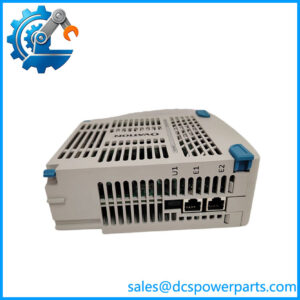
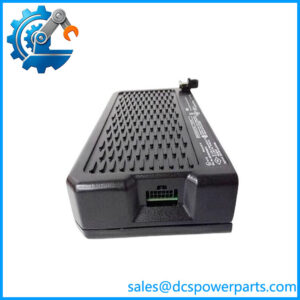
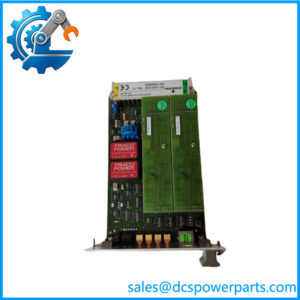
In turbine and rotating-equipment control systems, speed feedback is an important input during startup, normal operation, shutdown, and overspeed monitoring. The Emerson 1C31189G03 is listed as an Ovation speed detector module. Its intended role is to process speed-sensor information so the control system can use the resulting data for operational monitoring and applicable control functions.
When replacing this component, do not rely solely on generic supplier specifications. Emerson’s available Ovation I/O reference manual describes a speed detector architecture with separate electronics and personality module designations, but the manual lists earlier module codes. Verify the exact G03 revision and its matching hardware documentation before using legacy specifications to approve a replacement.
Key Technical Specifications
| Parameter | Specification |
|---|---|
| Product Model | 1C31189G03 |
| Manufacturer | Emerson |
| Control System | Ovation DCS |
| Product Type | Speed detector module |
| Measurement Principle | Tachometer signal-frequency measurement |
| Documented Signal Forms | Sinusoidal or pulse train |
| Primary Use | Rotating-equipment speed monitoring |
| Output Data | Speed-related data for the control system |
| Electronics/Personality Pairing | Confirm against the exact G03 hardware documentation |
| Input Frequency Range | Not independently verified for this exact revision |
| Accuracy | Not independently verified for this exact revision |
| Power Requirement | Confirm against the applicable product manual |
| Operating Temperature | Confirm against the applicable product manual |
| Certification | Verify the exact hardware revision and system approval requirements |
Specification caution: Some third-party listings provide conflicting frequency ranges, accuracy values, and electrical ratings for this model. These figures should not be used for engineering design without an applicable manufacturer datasheet. The Ovation I/O reference manual also warns that the documented speed detector configuration is not applicable to CE Mark-certified systems; verify whether that restriction applies to the exact hardware being sourced.
Application Scenarios & Pain Points
- Turbine speed monitoring: Supplies speed-related data to the Ovation control system for supported turbine applications.
- Rotating machinery supervision: Supports speed measurement from compatible tachometer sources.
- Startup and shutdown monitoring: Provides speed feedback used by the configured control and monitoring logic.
- Maintenance and spare-part replacement: Helps restore speed-measurement functionality when the existing module has failed, provided the replacement matches the installed hardware configuration.
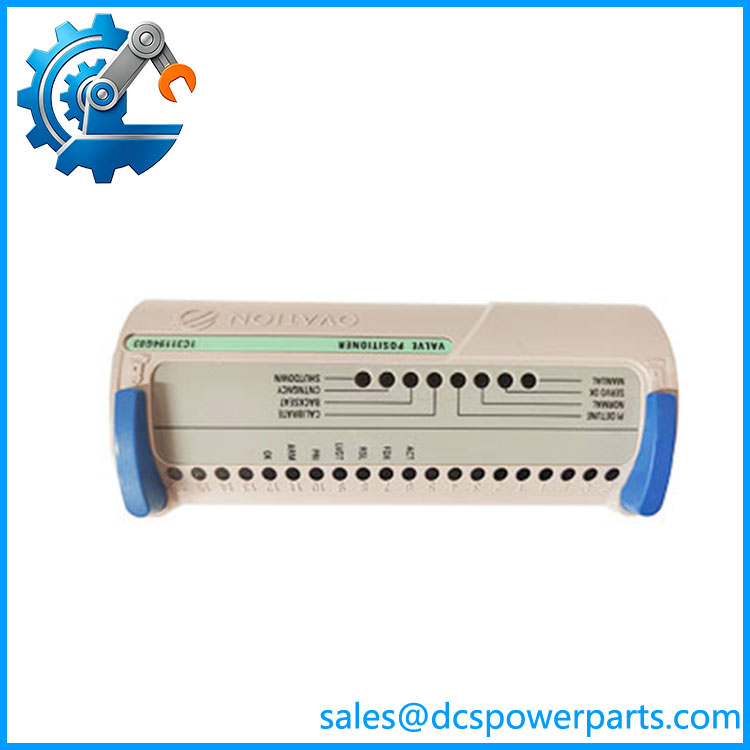
1C31189G03
Related Products
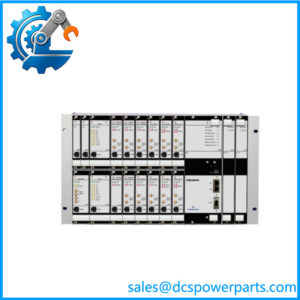
The following items are relevant to the Ovation I/O ecosystem. Confirm exact pairing and revision compatibility before ordering.
- 1C31189G01 — Speed detector electronics module listed in the Ovation I/O reference manual.
- 1C31192G01 — Speed detector personality module listed in the same reference manual.
- 1C31166G02 — Ovation Link Controller electronics module; a serial communications component, not a speed detector substitute.
- 1C31169G02 — Ovation serial interface personality module associated with RS-485/RS-422 communication applications.
- 1C31203G01 — Ovation remote node controller module; a different system function.
The reference-manual module pairings are useful for understanding the earlier Ovation speed-detector architecture. They do not establish direct interchangeability with 1C31189G03.
The Engineer’s Guide: Field Pitfalls to Avoid
Pitfall 1: Treating supplier-listed performance figures as verified specifications
Listings for 1C31189G03 disagree on input frequency, accuracy, and operating limits. Obtain the correct manufacturer documentation before setting trip thresholds or validating measurement performance.
Pitfall 2: Overlooking the sensor signal characteristics
A tachometer may produce a sinusoidal waveform or a pulse train. Confirm the sensor type, signal amplitude, wiring, and configured speed scaling against the installed system requirements.
Pitfall 3: Confusing speed monitoring with independent overspeed protection
A speed detector can provide measurement data to control logic, but the presence of this module alone does not prove that an independent safety-rated overspeed protection function exists. Review the plant’s protection architecture and approved logic before returning rotating equipment to service.
Frequently Asked Questions
Q1: What is the 1C31189G03 used for?
It is listed as an Emerson Ovation speed detector module for processing tachometer signals into speed-related data for the DCS.
Q2: What type of signal can a speed detector measure?
The Ovation I/O reference manual describes tachometer inputs that may be sinusoidal or pulse-train signals. Confirm the electrical input limits for the exact G03 revision before connecting a sensor.
Q3: Is 1C31189G03 the same as 1C31189G01?
Do not assume they are interchangeable. The reference manual identifies 1C31189G01 as an electronics module in its documented speed-detector architecture, but that does not establish compatibility with the G03 model.
Q4: Can it be used for turbine overspeed protection?
It may provide speed data used in configured monitoring or protection logic, but suitability for a specific overspeed trip function must be established from the system design and approved documentation.
Q5: What should be verified before purchasing?
Check the complete model and revision, hardware pairing, sensor input requirements, system compatibility, and any certification restrictions.
Q6: How should a refurbished unit be evaluated?
Request clear label and connector photographs, confirmation of condition, and a documented test report. For speed-measurement hardware, ask whether the test verified signal acquisition across the required operating range rather than only checking power-up.
Q7: What determines delivery lead time?
Availability depends on the exact revision, stock condition, and inspection or testing requirements. Confirm the physical model label and test scope before accepting a replacement.