Description
Key Technical Specifications
| Parameter | Value |
|---|---|
| Manufacturer | DEIF A/S |
| Model | DGU 4 |
| Product Type | Diesel Generator Unit Controller |
| System Application | Power Management System (PMS) |
| Primary Function | Generator monitoring, control, protection and communication |
| Controller Architecture | Modular computer-based control platform |
| CPU Module | VMPM 68KA processor board |
| Memory Module | VMEM S1 memory module |
| Expansion Interface | Modular VME-based I/O expansion |
| Supported Functions | Generator control, synchronization, load sharing, protection |
| Communication | External system communication interfaces |
| I/O Expansion | Supports digital I/O, AC measurement and communication modules |
| Operating Environment | Marine and industrial control rooms |
| Installation | Control cabinet / generator automation panel |
| Application | Shipboard PMS and industrial generator systems |
Product Introduction
DEIF DGU 4 Overview
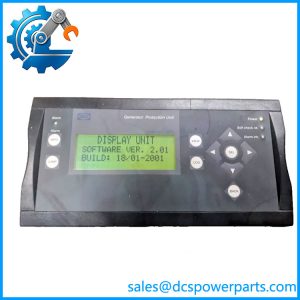
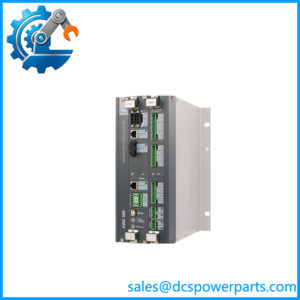
The DEIF DGU 4 is a diesel generator control unit designed for marine and industrial power management applications where reliable generator supervision, control, and coordination are required. It operates as a dedicated generator control node within a larger DEIF power management system, handling essential generator functions while communicating with other control devices throughout the installation.
The DEIF DGU 4 provides the control functions required for automatic generator operation, including monitoring of generator electrical parameters, engine-related signals, breaker control, and coordination with the overall power management system. In marine installations, multiple DGU units can be integrated to manage several generator sets, allowing automatic power distribution and operational coordination.
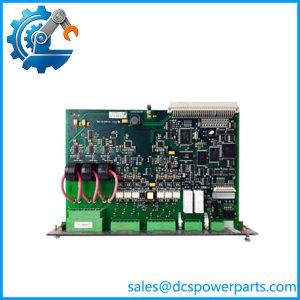
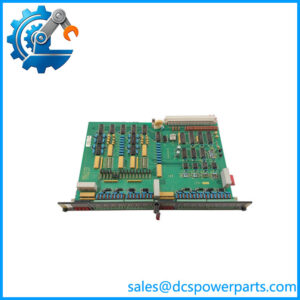
The DEIF DGU 4 is based on a modular computer architecture consisting of dedicated processing, memory, and expansion modules. The controller uses a VMPM 68KA CPU board for real-time execution of control functions and a VMEM S1 memory module for storing application programs, parameters, and event information. Additional I/O modules can be installed according to system requirements.
The DEIF DGU4 is commonly found in shipboard electrical systems, including cargo vessels, offshore platforms, and other installations requiring automatic generator management. Its design supports long service life in applications where replacing the complete power management system would involve significant engineering work and operational downtime.
When replacing a DEIF DGU 4, engineers should verify the installed software version, configuration parameters, connected I/O modules, communication settings, and the complete PMS architecture. Generator controllers are application-specific devices, and correct configuration recovery is essential after hardware replacement.
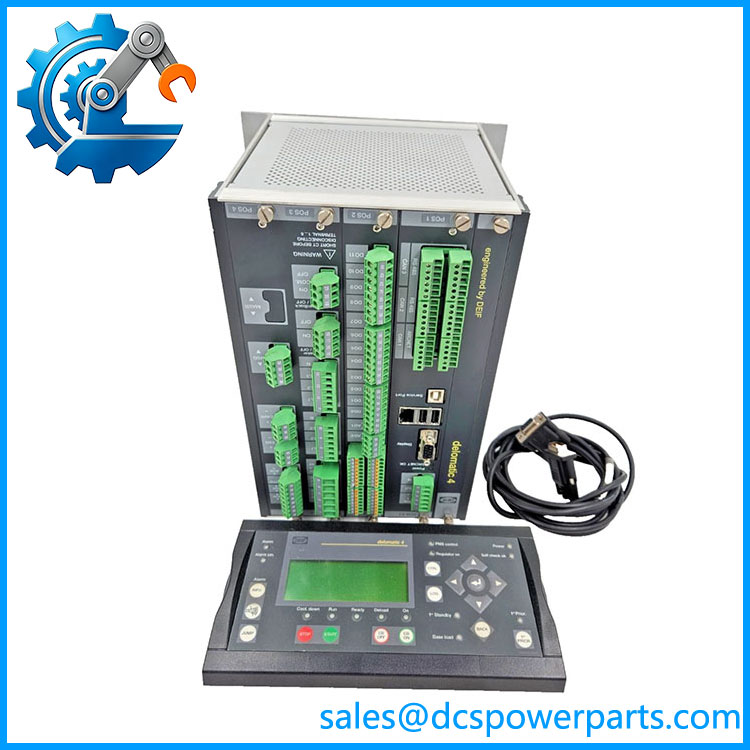
DEIF–DGU4
Application Scenarios & Field Considerations
Engineering Pain Point
A vessel or industrial generator system experiences issues such as:
- Generator start failure
- Synchronization faults
- Load sharing instability
- Breaker control errors
- Communication alarms
The DGU controller may be suspected, but faults can also originate from sensors, engine interfaces, breaker feedback circuits, communication networks, or parameter configuration.
Recommended troubleshooting steps:
- Review event logs
- Verify generator measurement inputs
- Check breaker feedback signals
- Confirm communication links
- Compare parameters with backup configuration
- Inspect connected I/O modules
The DEIF DGU 4 is the control processing unit, but generator system performance depends on the complete automation chain.
Typical Applications
Marine Power Management Systems
Used for:
- Main generator control
- Automatic synchronizing
- Load sharing
- Generator protection
Offshore Platforms
Applied for:
- Auxiliary power management
- Emergency generator coordination
- Electrical distribution control
Industrial Generator Plants
Used for:
- Standby power systems
- Multiple generator operation
- Automatic transfer and control
Engine Room Automation
Applied for:
- Generator monitoring
- Alarm handling
- Operator interface integration
Technical Pitfalls to Avoid
1. Verify Software Configuration
Before replacement, confirm:
- Application software
- Parameter database
- Generator ratings
- Protection settings
A replacement controller without the correct configuration will not operate correctly.
2. Check I/O Module Compatibility
Verify:
- Installed expansion cards
- AC measurement modules
- Digital input/output modules
- Communication interfaces
The DGU 4 relies on the complete modular hardware arrangement.
3. Confirm PMS Network Integration
Inspect:
- Communication wiring
- Network addressing
- Master/slave configuration
- External monitoring connections
4. Preserve Existing Parameters
Before removing the unit:
- Backup settings
- Record protection values
- Save communication parameters
- Document generator configuration
Related Products
- DEIF AGC-4
Advanced automatic genset controller for generator synchronization, protection, and power management applications. - DEIF AGC-4 Mk II
Updated automatic genset controller platform designed as a replacement product for AGC-4 systems. - DEIF SGC 120 / SGC 420 Series
Compact generator controllers with engine and communication interfaces. - DEIF CIO Series I/O Modules
CAN-based expansion modules for generator controller systems.