Description
Key Technical Specifications
| Parameter | Value |
|---|---|
| Manufacturer | DEIF |
| Model | SCM-C |
| Part Number | 1044220120E |
| Product Type | Synchronization / Measurement Module |
| System Platform | DEIF Delomatic DGU Systems |
| Main Function | Generator and busbar voltage measurement |
| Application | Generator synchronization and paralleling control |
| Measurement Inputs | 3-phase generator voltage measurement |
| Busbar Measurement | 3-phase busbar voltage measurement |
| Configuration | Adjustable measurement range via board settings |
| Integration | SCM synchronization module assembly |
| Communication | Internal Delomatic module bus |
| Power Supply | 24 VDC typical system supply |
| Mounting | DEIF Delomatic rack/module assembly |
| Operating Environment | Marine and industrial control cabinets |
| Primary Use | Multi-generator power management systems |
Product Introduction
DEIF SCM-C 1044220120E Overview
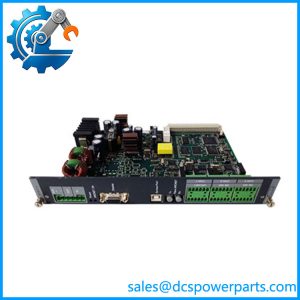
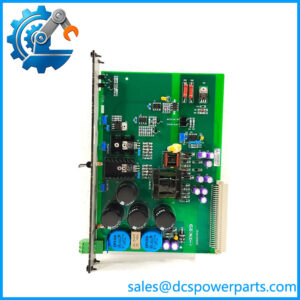
The DEIF SCM-C 1044220120E is a synchronization and measurement module designed for DEIF Delomatic generator control systems. It forms part of the SCM synchronization assembly used in generator automation applications where accurate voltage measurement and synchronization functions are required before connecting generators to a common busbar.
The DEIF SCM-C 1044220120E performs the voltage measurement tasks required for generator paralleling operations. It monitors generator-side and busbar voltage signals, providing the measurement data required by the control system to evaluate synchronization conditions such as voltage level, frequency relationship, and phase alignment.
The DEIF SCM-C 1044220120E is part of a modular architecture rather than a standalone controller. In a typical Delomatic installation, the SCM assembly consists of dedicated boards handling measurement, control, and interface functions. The SCM-C board works together with other modules to complete synchronization and generator management tasks.
The DEIF SCM-C 1044220120E is commonly installed in marine power management systems where several diesel generators must operate in parallel while maintaining stable voltage and frequency conditions. Typical applications include cargo vessels, offshore platforms, passenger ships, and industrial generator plants.
When replacing a DEIF SCM-C 1044220120E, engineers should verify the complete Delomatic configuration, jumper settings, voltage measurement range, rack position, wiring arrangement, and existing generator parameters. A replacement board must match the original system configuration to prevent incorrect synchronization measurements or commissioning issues.
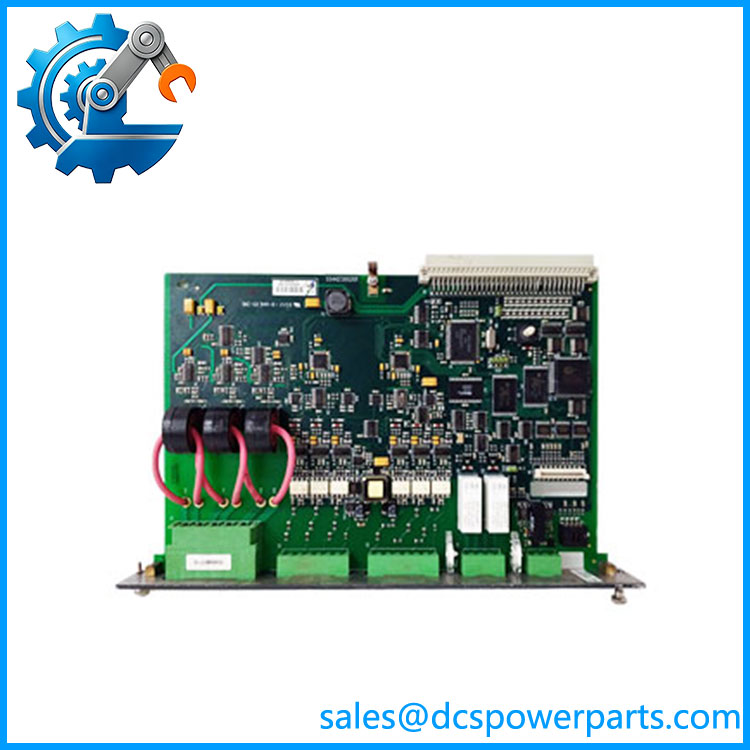
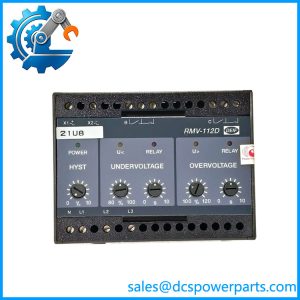
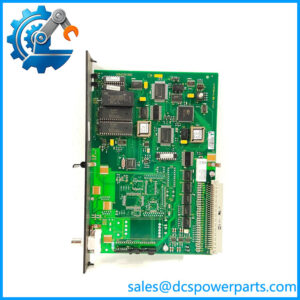
SCM-C 1044220120E
Application Scenarios & Field Considerations
Engineering Pain Point
A generator system experiences:
- Synchronization failure
- Generator breaker closing errors
- Incorrect voltage matching
- Load-sharing instability
- Measurement alarms
The SCM-C module may be involved, but faults can also come from voltage transformers, wiring, configuration parameters, or other Delomatic modules.
Recommended troubleshooting steps:
- Verify generator voltage inputs
- Check busbar measurement signals
- Confirm jumper/range settings
- Inspect CT/VT wiring
- Review synchronization parameters
- Compare module configuration with system documentation
The DEIF SCM-C 1044220120E provides measurement data, but the complete generator control loop determines synchronization performance.
Typical Applications
Marine Generator Systems
Used for:
- Shipboard generator synchronization
- Main switchboard control
- Multiple genset operation
- Load-sharing coordination
Offshore Power Systems
Applied for:
- Platform auxiliary power
- Parallel generator operation
- Electrical distribution control
Industrial Power Plants
Used for:
- Standby generator systems
- Island operation
- Generator paralleling applications
Distributed Energy Systems
Applied for:
- Multi-source power coordination
- Local grid synchronization
- Backup power management
Technical Pitfalls to Avoid
1. Verify Measurement Range Settings
Before replacement, confirm:
- Generator voltage range
- Busbar voltage range
- Jumper positions
- Transformer ratios
Incorrect measurement settings can cause synchronization errors.
2. Check Voltage Transformer Wiring
Inspect:
- Phase sequence
- Polarity
- VT ratio settings
- Terminal connections
Incorrect voltage feedback can prevent breaker synchronization.
3. Confirm Delomatic Compatibility
Verify:
- DGU system version
- SCM assembly type
- Module addressing
- Software configuration
4. Preserve Existing Parameters
Before removing the module:
- Record configuration settings
- Document wiring
- Save generator parameters
- Verify replacement board revision
Related Products
- DEIF SCM-2 1044220110E
Synchronization and control module used in Delomatic generator management systems. - DEIF SCM-1 1044220100F
Earlier Delomatic synchronization module assembly with SCM-A, SCM-B, and SCM-C boards. - DEIF DGU Series Controllers
Generator control units used with Delomatic power management systems. - DEIF AGC Series Controllers
Modern automatic genset controllers providing synchronization, protection, and load-sharing functions.