Description
Product overview
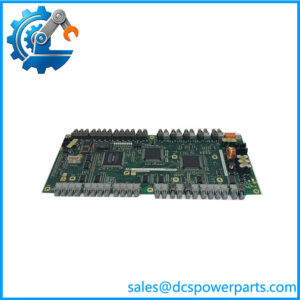
The ABB Bailey NTAI05 Analog Input Termination Unit provides the field-wiring interface between process instrumentation and compatible analog slave modules in Bailey INFI 90 control systems. It accepts field wiring at its terminal blocks and routes the signals through a dedicated cable to the associated module. The NTAI05 is mounted on an NFTP01 Field Termination Panel and is used in configurations involving compatible modules such as IMASI02, IMASM01, and IMFBS01. ABB’s Symphony Plus catalog also identifies the NTAI05 for signal routing to the SPFEC analog input module in supported configurations.
The unit supports 15 or 16 analog input channels, depending on the connected module. Input selection is determined by the applicable module and the NTAI05 dipshunt configuration. Documented arrangements include 4–20 mA current signals and several voltage ranges, with the exact options depending on the slave module in use. This configuration flexibility makes the installed wiring and jumper settings important when replacing a unit. A termination unit with the correct model number can still produce incorrect readings if its signal configuration or associated cable does not match the existing installation.
When procuring the ABB Bailey NTAI05, verify the connected slave-module model, the field termination panel, cable type, and existing dipshunt settings. Record terminal assignments before disconnecting field wiring, and check the condition of terminals and connectors on receipt. The NTAI05 provides the signal path; the associated slave module performs the relevant signal conditioning and processing. Treating the termination unit as a standalone analog input card can lead to an incorrect replacement decision.
Product introduction
The is a single-board termination assembly with field terminal blocks and a connector for the cable to the compatible slave module. Field signals are wired to the termination unit, then routed to the slave module for processing and onward transfer into the control system. Its role is to provide an organized, configurable connection point for process instrumentation rather than to perform the entire analog input function by itself.
For replacement work, first identify the slave module and confirm that it supports the intended arrangement. Label field conductors before removal, record the dipshunt configuration, and verify the termination cable part number. Follow the manufacturer’s installation instructions and site electrical-safety procedures. After reconnection, check channel assignments and validate representative field readings against known signal values before returning the affected control loops to service.
Key technical specifications
| Parameter | Specification |
|---|---|
| Manufacturer | Bailey Controls / ABB |
| Model | |
| Product type | Analog input termination unit |
| System family | Bailey INFI 90 / Network 90; supported Symphony Plus configurations |
| Channel capacity | 15 or 16 channels, depending on the connected module |
| Signal interface | Analog field-signal termination |
| Supported input types | Configurable current and voltage inputs, depending on the slave module |
| Current input | 4–20 mA arrangements documented |
| Voltage input | Supported ranges depend on the associated slave module and configuration |
| Compatible modules | IMASI02, IMASM01, IMFBS01; SPFEC in the documented Symphony Plus application |
| Mounting | NFTP01 Field Termination Panel |
| Termination cable | NKTU01 or NKTU11, as applicable |
| Configuration | Dipshunts determine supported input arrangements |
| Power requirements | Verify the exact connected-module and wiring configuration |
| Operating temperature | Not verified from the cited documentation |
| Dimensions and weight | Confirm against the unit and applicable equipment documentation |
Technical note: Input ranges are not universally interchangeable across every compatible slave module. Consult the specific module manual for the correct dipshunt positions, terminal assignments, and wiring arrangement before connecting field instruments.
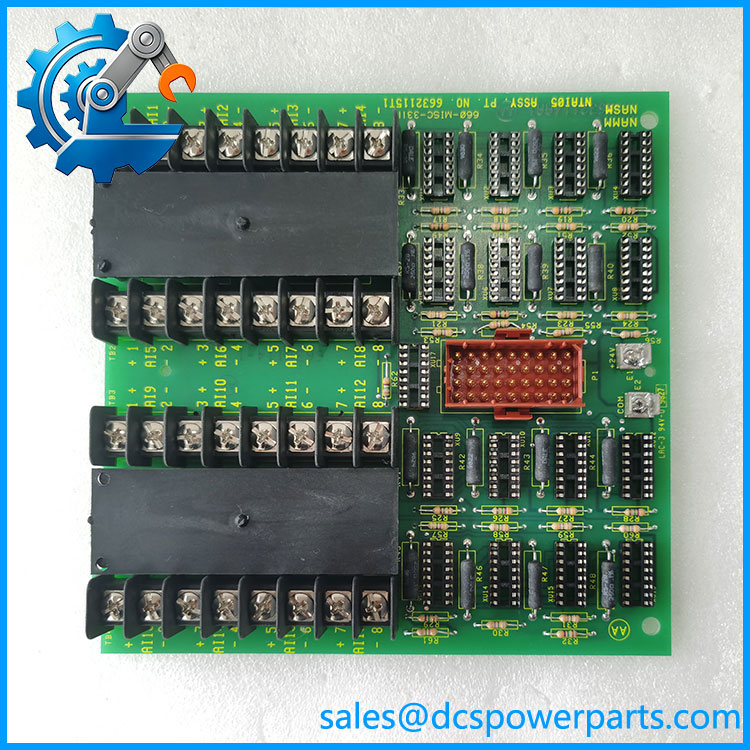
NTAI05
Related products
- NFTP01 — Field Termination Panel: Provides the mounting location for compatible termination units.
- NKTU01 — Termination Unit Cable: Connects the termination unit to the associated slave module in supported configurations.
- NKTU11 — Termination Unit Cable: An alternative cable designation documented for applicable configurations; verify compatibility before use.
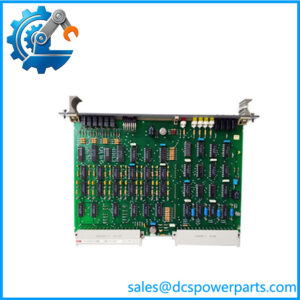
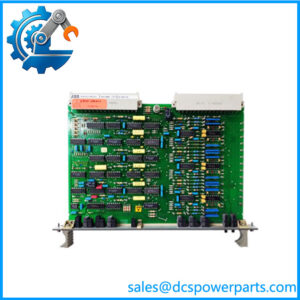
- IMASI02 — Analog Input Slave Module: Processes compatible analog inputs routed through the .
- IMASM01 — Analog Slave Module: Uses the for supported analog signal configurations.
- IMFBS01 — Field Bus Slave Module: Listed in the installation documentation as a compatible module.
- NIAI05 — Analog Input Termination Module: A related termination product with a different model designation and application details.
These components serve different roles and are not automatic substitutes. In particular, NIAI05 should not be substituted for based on similar naming alone.
Frequently asked questions
Q1: What is the ABB Bailey ?
It is an analog input termination unit that connects field wiring to compatible analog slave or fieldbus slave modules in Bailey control systems.
Q2: Is an analog input module?
It is a termination unit, not the signal-processing module itself. The associated slave module performs the applicable signal conditioning and processing.
Q3: How many analog channels does support?
The documented capacity is 15 or 16 channels, depending on the connected slave module. Confirm the actual channel count against the installed configuration.
Q4: Which signal types can it accept?
Documented configurations include 4–20 mA current signals and multiple voltage ranges. The available options and required dipshunt settings depend on the connected module.
Q5: Which cable connects to the slave module?
The documentation lists NKTU01 and NKTU11 for applicable configurations. Verify the exact cable required for the installed module before ordering.
Q6: Can replace NIAI05?
Not automatically. They have different designations and documented applications. Confirm the control-system configuration and manufacturer documentation before considering a substitute.
Q7: What should be checked before buying a replacement?
Confirm the model number, connected slave module, field termination panel, cable, dipshunt settings, terminal condition, and available inspection or test records. Ask the supplier for photographs of the actual unit.
Procurement recommendation
When sourcing the ABB Bailey , match the termination unit to the existing slave module and wiring arrangement. The model number alone is not enough to establish that the field signal configuration will be correct.
Before placing an order, request:
- Confirmation of the exact model and physical condition.
- Photographs of the board, terminals, and connector.
- Verification of the associated slave module and required termination cable.
- A clear condition declaration: new, unused surplus, refurbished, or used.
- Available inspection records, stock status, dispatch estimate, warranty, and return terms.
For a live INFI 90 installation, preserve the original terminal assignments and dipshunt settings, then verify channel readings after replacement. This is the practical way to reduce wiring errors and avoid unnecessary process-loop troubleshooting.