Description
Key Technical Specifications
| Parameter | Value |
|---|---|
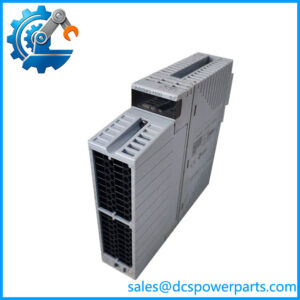
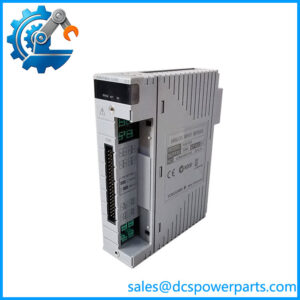
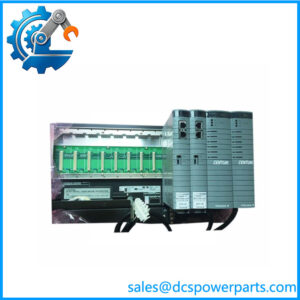
| Product Model | CP451-10 S2 |
| Manufacturer | Yokogawa |
| Product Type | Control Processor Module |
| System Series | CENTUM VP / CENTUM CS 3000R |
| Processor Type | Dual processor architecture |
| Control Network | Vnet/IP |
| Function | Process control execution and system management |
| Memory | Application-dependent |
| Redundancy | Supported in compatible configurations |
| Communication Interface | Vnet/IP and system communication interfaces |
| Installation | Yokogawa FCU/processor cabinet |
| Power Supply | System backplane supply |
| Diagnostics | Hardware and communication diagnostics |
| Application | Continuous process automation |
| Typical Industries | Oil & gas, chemical, power, utilities |
Application Scenarios & Pain Points
A controller module failure is one of the situations where spare planning matters most. Field teams may have replacement I/O available, but without a functioning processor, the plant loses automatic control capability.
Typical applications:
- Oil & Gas Facilities: Used as the main processing unit for refinery and production control strategies involving thousands of analog and digital points.
- Chemical Plants: Supports batch and continuous process applications requiring stable execution of control algorithms and sequences.
- Power Generation: Applied in turbine auxiliary, boiler, and balance-of-plant control systems where controller availability directly affects operation.
- Water Treatment Systems: Provides centralized control execution for distributed pumps, valves, and monitoring equipment.
Field note: A manufacturing plant experienced an unexpected controller fault during normal operation. The spare processor was installed, but startup required more than a hardware swap—the team had to confirm the firmware level, system database compatibility, and network settings before the controller could rejoin the DCS.
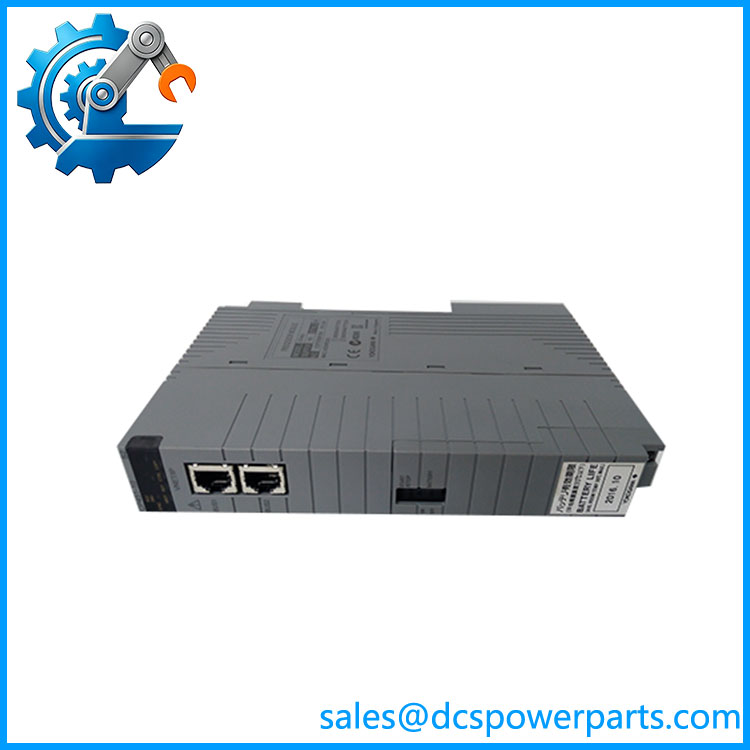
CP451-10
Related Products
- Yokogawa CP451-10 S1 — Previous CP451 processor revision. Used in compatible CENTUM configurations where matching hardware revision is required.
- Yokogawa CP461-10 — Higher-performance processor option within the CENTUM VP family. Used for larger control applications requiring increased processing capability.
- Yokogawa CP471 — Advanced controller processor platform for newer CENTUM VP systems and larger-scale applications.
- Yokogawa AEP451 — Processor-associated module used in Yokogawa controller architectures.
- Yokogawa EC401-10 S2 — ESB bus coupler module supporting communication between FCU processors and remote FIO nodes.
- Yokogawa ADV551-P00 S2 — Digital output module used with Yokogawa FIO systems for discrete field control.
- Yokogawa ADV151-P00 — Analog input module used for process measurement acquisition.
- Yokogawa CENTUM VP FCS Components — Supporting controller, communication, and I/O hardware used for complete DCS installations.
The Engineer’s Guide: Field Pitfalls to Avoid
⚠️ Firmware and Database Compatibility Problems
A replacement processor may boot normally but fail to load applications if the firmware and system database versions do not match.
How to avoid: Record the existing processor firmware, CENTUM version, and project database revision before replacement.
⚠️ Vnet/IP Configuration Errors
Incorrect network settings can prevent the controller from communicating with HIS stations and other control nodes.
How to avoid: Document node addresses, network parameters, and redundancy settings before removing the original unit.
⚠️ Redundancy Pair Mismatch
In redundant systems, both processor modules must operate with compatible revisions and configuration data.
How to avoid: Verify both active and standby processor information before installation.
Frequently Asked Questions (FAQ)
Can the Yokogawa CP451-10 S2 replace an existing CP451 processor directly?
A direct replacement is possible when the system uses the same CENTUM architecture and compatible firmware configuration. Engineers should confirm processor revision, software version, and redundancy requirements.
What role does the CP451-10 S2 perform in a Yokogawa DCS?
The module executes control functions, manages communication with system components, and coordinates process control operations within the CENTUM architecture.
Does replacing the processor require a complete DCS download?
Not always. If the replacement processor is compatible and the correct database is available, restoration may only require loading verified system information and checking communication status.
Why does the replacement processor fail to communicate with the HIS or other stations?
Possible causes include:
- Incorrect Vnet/IP settings
- Firmware mismatch
- Database incompatibility
- Network configuration errors
- Redundancy configuration differences
What should buyers verify before ordering a -10 S2?
Recommended checks:
- Existing processor model
- CENTUM system version
- Firmware revision
- Vnet/IP configuration
- Redundancy arrangement
- Project backup availability
Is a refurbished -10 S2 suitable for continuous process control?
A tested refurbished unit can support industrial applications when it has passed processor startup checks, communication testing, diagnostic verification, and compatibility review.
How should re S2 be stored?
Store the processor in anti-static packaging in a controlled environment. Avoid humidity, dust, and corrosive atmospheres that can affect electronic connectors and boards.