Description
Product Overview
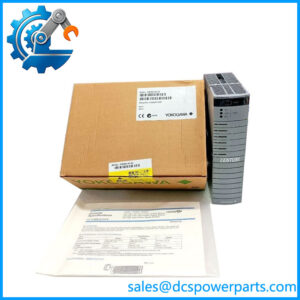
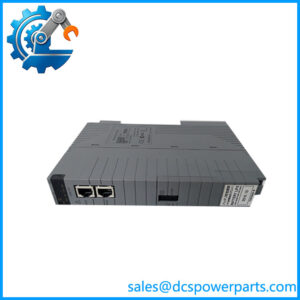
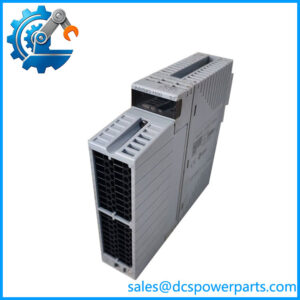
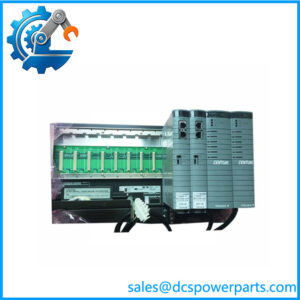
The Yokogawa ANB11D-215 is a node unit designed for the CENTUM VP distributed control system (DCS). It supports a dual-redundant ESB bus architecture and incorporates optical repeater functionality for compatible field I/O configurations. In distributed process-control installations, this type of node unit helps extend the control-system communication architecture beyond the immediate control cabinet, supporting remote I/O arrangements where the distance or electrical environment makes an optical link appropriate. The ANB11D is part of Yokogawa’s documented ESB bus node product family, and its configuration suffixes determine important hardware and installation requirements.
The -215 suffix identifies a specific configuration. According to Yokogawa’s model-code documentation, the 2 designates a dual-redundant power-supply configuration for a 5 km optical repeater application, the 1 specifies a 100–120 V AC power supply, and the 5 indicates the basic type without explosion protection. The stated optical distance depends on the compatible repeater and the complete system design; it should not be treated as a standalone guarantee for every fiber installation. The final option code, such as /BU2A or /BU2B, is a separate selection that determines the connector-unit arrangement. Because the supplied model reference does not include that option code, it must be verified before ordering a complete replacement.
For maintenance engineers, the Yokogawa ANB11D-215 should be matched against the existing node unit’s full model code, including its slash option, power-supply configuration, and any applicable environmental or certification requirements. The unit may be used in compatible CENTUM VP configurations supporting FIO or N-IO architecture, but system compatibility depends on the installed controller, communication modules, repeater type, and configuration. Before commissioning a replacement, check the system engineering records and the relevant Yokogawa installation documentation. When purchasing New Surplus stock, request photographs of the nameplate and connector unit, confirmation of the full suffix, and available inspection or functional-test records.
Product Introduction (Non-Templated)
Long-distance I/O communication requires more than a node unit with the right base model. Yokogawa ANB11D-215 is configured for dual-redundant ESB bus operation, a 100–120 V AC supply, and a compatible 5 km optical repeater arrangement.
For a replacement purchase, verify the complete model code, particularly the missing slash option such as /BU2A or /BU2B. That option affects the connector-unit configuration and can determine whether the supplied hardware matches the existing installation.
Key Technical Specifications
| Parameter | Specification |
|---|---|
| Manufacturer | Yokogawa |
| Model | ANB11D-215 |
| Product Type | Optical ESB Bus Node Unit |
| System Family | CENTUM VP DCS |
| Bus Architecture | Dual-redundant ESB bus |
| Optical Repeater Configuration | 5 km configuration with compatible specified repeater |
| Power Supply Configuration | Dual-redundant power supply |
| Rated Input Supply | 100–120 V AC |
| Supply Frequency | 50/60 Hz, subject to the applicable system specification |
| Explosion Protection | Basic type without explosion protection, based on suffix 5 |
| Connector Unit | Requires confirmation of the full slash option, such as /BU2A or /BU2B |
| Mounting | Node-unit rack installation; confirm the complete assembly and mounting requirements |
| Compatible Architecture | Applicable CENTUM VP FIO/N-IO configurations, subject to system documentation |
| Operating Temperature | Confirm the selected environmental option and installed communication-module requirements |
| Condition | New Surplus, if confirmed for the supplied unit |
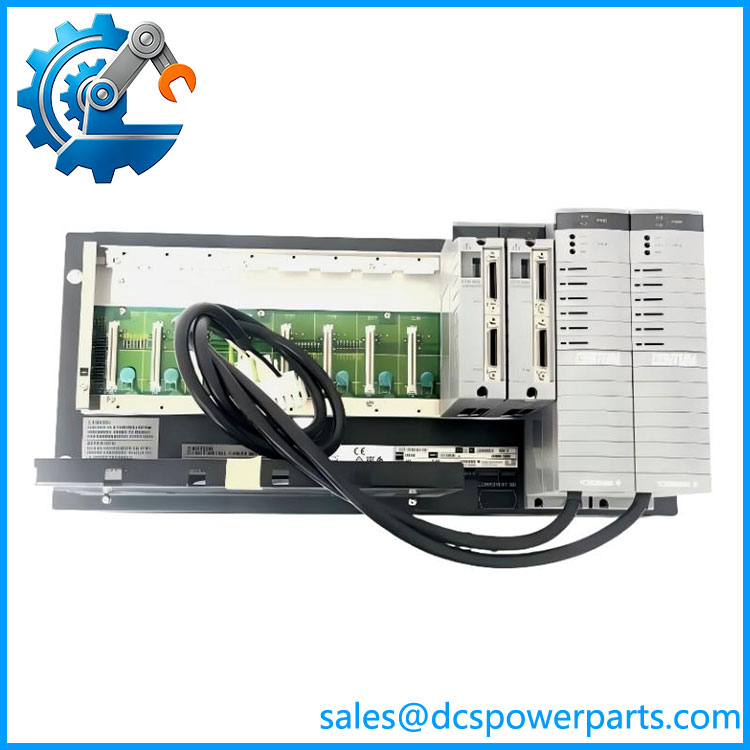
ANB11D-215
Related Products
- ANB11D-215/BU2A — Node unit configuration with the
/BU2Aconnector unit for the ESB bus. Verify that this is the connector arrangement required by the installed system. - ANB11D-215/BU2B — Variant with a connector unit incorporating an ESB bus terminator. Confirm termination requirements before selecting it.
- ANB11D-225 — Related ANB11D configuration with a 220–240 V AC supply option; not a direct substitute where the installed unit requires 100–120 V AC.
- ANB11D-245 — Related ANB11D configuration with a 24 V DC supply option. Confirm the complete suffix and system power architecture before considering it.
- ANB10D — Dual-redundant ESB bus node unit without the optical repeater designation. Check the required bus topology before selecting it.
- ANT401 — Compatible optical ESB bus repeater family associated with the 5 km configuration. Verify the exact model and suffix against the node unit and fiber link.
- ANT411 — Optical ESB bus repeater family used for specified longer-distance configurations, including 50 km variants. It is not automatically compatible with every suffix.
- ANB11S — Single-redundant ESB bus node family with optical repeater support. It differs from the dual-redundant architecture.
- ANT10U — Unit for optical ESB bus repeater modules, used in supported configurations. Confirm its designated role in the actual system architecture.
Frequently Asked Questions
What is theawa used for?
It is a dual-redundant ESB bus node unit with optical repeater support for compatible CENTUM VP DCS configurations. It is used within the system’s communication and I/O architecture, rather than as a standalone field signal module.
What does the -215 suffix mean?
The model-code documentation identifies 2 with the dual-redundant power configuration for a 5 km optical repeater application, 1 with a 100–120 V AC supply, and 5 with the basic type without explosion protection. The complete model code also includes a slash option for the connector-unit configuration.
Can ace /ith /BU2A?
Do not assume that the two connector-unit options are interchangeable. The /BU2A and /BU2B configurations differ in their ESB connector-unit arrangements; /BU2B includes a terminator. Confirm the system’s termination design and the original unit’s option code before ordering.
oes support a 5 km fiber-optic link?
Its model-code configuration is intended for a compatible 5 km optical repeater arrangement. Actual supported distance depends on the specified repeater, fiber type, and complete optical-link design. Confirm the exact repeater model and suffix in the Yokogawa documentation.
Can I hotthe while the DCS is operating?
Do not assume that the complete node unit can be hot-swapped. Follow the applicable Yokogawa maintenance procedure and determine whether the installed system supports the planned replacement without shutdown. Redundancy does not automatically make every component safe to remove while energized.
Is suitable for a hazardous area?
The suffix 5 denotes the basic configuration without explosion protection. Do not use this configuration where the installation requires certified explosion-protected equipment. Confirm the site classification and the exact certified configuration before purchase.
How should I verify a Nelus before ordering?
Request photographs of the nameplate, complete model code, connector unit, and power-supply identification. Confirm whether the item includes /, /, or another option, and ask for available inspection and functional-test records. A base-model match alone is not sufficient for approving a replacement.
Procurement Takeaway
The key purchasing details for are its dual-redundant configuration, 100–120 V AC supply, and optical repeater arrangement. Confirm the full slash option, repeater compatibility, and environmental or certification requirements before approving a replacement. Do not infer the connector-unit configuration from the base model alone.