Description
Key Technical Specifications
| Parameter | Value |
|---|---|
| Manufacturer | Yokogawa |
| Model | AIP578 |
| Product Type | Electrical Transceiver RIO I/O Module |
| System Platform | CENTUM CS / CENTUM VP DCS |
| Function | Remote I/O communication interface |
| Communication Type | RIO electrical transmission |
| Interface Role | RIO network signal conversion and communication |
| Installation | Yokogawa I/O subsystem / communication rack |
| Status Indicators | Communication and module status indication |
| Mounting | Yokogawa DCS card rack |
| Application | Remote I/O station communication |
| Lifecycle Status | Discontinued / legacy hardware |
Product Introduction
Yokogawa AIP578 Overview
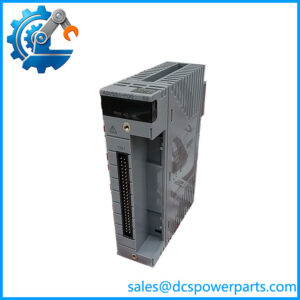
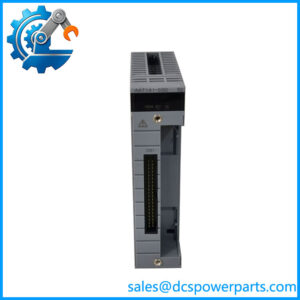
The Yokogawa AIP578 is an electrical transceiver module used in Yokogawa CENTUM CS and CENTUM VP distributed control system architectures. It provides the communication interface between the DCS control network and Remote I/O equipment, allowing field signals collected at remote locations to be transferred back to the controller.
The Yokogawa AIP578 is mainly found in installed legacy DCS systems where existing RIO infrastructure remains in service. Replacement requires verification of the installed CENTUM generation, rack configuration, communication path, and matching RIO hardware before commissioning.
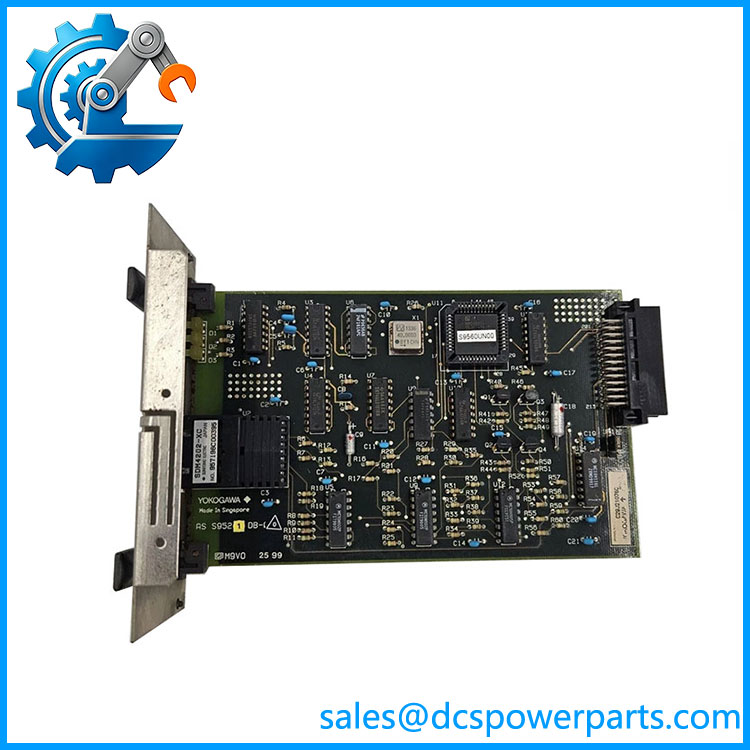
AIP578
Application Scenarios & Field Pitfalls (The Engineer’s Perspective)
Engineering Pain Point
A remote I/O cabinet suddenly disappears from the operator station. Controllers remain online, but multiple field points become unavailable.
This type of failure is often blamed on I/O modules first. In older Yokogawa systems, the communication interface layer must be checked carefully. The transceiver module, fiber/electrical link, cable condition, and remote station hardware all participate in the data path.
The AIP578 is a communication device. A healthy CPU cannot compensate for a failed RIO link.
Typical Applications
- Oil & Gas Facilities – Remote instrument cabinets connected to central control rooms through Yokogawa RIO networks.
- Chemical Processing Plants – Distributed field I/O communication for valves, transmitters, and motor status signals.
- Power Generation – Remote control panels and auxiliary system I/O communication.
- Water Treatment Facilities – Long-distance field signal collection from pump stations and process areas.
Technical Pitfalls to Avoid
- Confirm RIO Network Compatibility
Do not assume every Yokogawa communication card is interchangeable. Verify the exact CENTUM platform, RIO configuration, and hardware revision before replacement.
- Inspect the Complete Communication Path
AIP578 replacement will not correct faults caused by damaged cables, connector contamination, or remote I/O hardware issues.
- Record Existing Configuration
Before removing a working module, document rack position, wiring, status LEDs, and network connections. Legacy DCS systems often depend on installed hardware arrangement.
Related Products
- Yokogawa AIP571
Related Yokogawa communication interface module used in older CENTUM systems. Application depends on the specific RIO architecture and installed hardware generation. - Yokogawa AIP572
Remote I/O interface module used within Yokogawa distributed control environments. Verify system compatibility before substitution. - Yokogawa AIP581
Yokogawa I/O communication hardware for CENTUM system expansion and remote signal processing applications. - Yokogawa AIP601
Related CENTUM I/O interface hardware used in legacy control system installations. - Yokogawa ASI133
CENTUM I/O communication component used in Yokogawa field interface systems. - Yokogawa ANB10D
Node bus interface hardware used in Yokogawa control system communication architectures. - Yokogawa AAI143
Analog input module used for process measurement signals such as 4–20mA transmitters. Different function from the , which handles communication. - Yokogawa ADV151
Digital input module for Yokogawa systems, used for discrete field signal acquisition rather than RIO communication.