Description
Key Technical Specifications
| Parameter | Value |
|---|---|
| Manufacturer | Woodward |
| Model | 8402-319 / 8402-119 |
| Product Type | Electro-Hydraulic Converter |
| Series | Woodward 8400 Series |
| Function | Electrical-to-hydraulic actuator control conversion |
| Supply Voltage | 18–36VDC |
| Typical Supply | 24VDC |
| Input Signal | 0–10VDC, 4–20mA |
| Output Signal | ±5A actuator current |
| Power Consumption | Approx. 25W |
| Response Time | Less than 10ms |
| Protection Rating | IP65 |
| Operating Temperature | -40°C to +85°C |
| Housing Material | Aluminum alloy |
| Connection Type | Cable connection |
| Application | Steam turbine, gas turbine, and prime mover control systems |
Product Introduction
Woodward 8402-319 8402-119 Overview
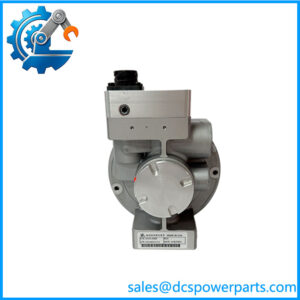
The Woodward 8402-319 8402-119 is an electro-hydraulic converter designed for industrial turbine and prime mover control applications. It receives electrical commands from a governor or control system and converts them into proportional actuator drive signals for hydraulic control systems.
The Woodward 8402-319 8402-119 is commonly used in turbine speed control applications where accurate actuator positioning is required. It operates as part of the control loop between the electronic governor and hydraulic actuator, making correct signal matching and mechanical actuator compatibility critical during replacement.
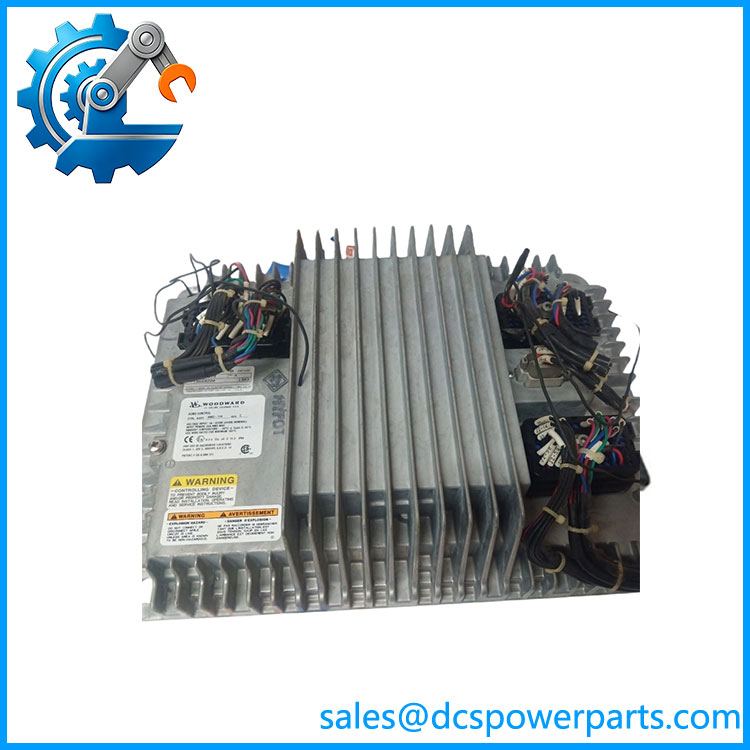
8402-319 8402-119
Application Scenarios & Field Pitfalls (The Engineer’s Perspective)
Engineering Pain Point
A steam turbine refuses to hold speed after a maintenance shutdown. The governor output is stable, but the actuator does not respond correctly.
This situation is often misdiagnosed as a controller failure. The actual problem can be inside the signal conversion chain: incorrect current output range, hydraulic actuator mismatch, wiring issues, or a degraded converter module.
The 8402-319 / 8402-119 sits in a critical position. It directly affects how the control system commands fuel valves, steam valves, or hydraulic actuators.
Typical Applications
- Power Generation Plants – Steam turbine governor systems controlling main steam valve position.
- Oil & Gas Facilities – Compressor turbine control and rotating equipment speed regulation.
- Marine Propulsion Systems – Turbine and prime mover actuator control applications.
- Industrial Energy Systems – Auxiliary turbines and mechanical drive equipment.
Technical Pitfalls to Avoid
- Verify Input Signal Scaling
Confirm whether the existing governor output is configured for 0–10VDC or 4–20mA. Incorrect scaling can cause unstable actuator movement.
- Check Hydraulic Actuator Compatibility
The converter output must match the actuator coil requirements. Confirm current range, polarity, and actuator specifications before installation.
- Inspect Field Wiring and Grounding
Long cable runs near generators or motors can introduce electrical noise. Check shielding, grounding, and termination quality before replacing the converter.
Related Products
- Woodward 8402-119
Related 8400 Series converter variant. Functionally similar to 8402-319 but may differ by configuration, application package, or actuator interface requirements. - Woodward 505 Digital Governor
Turbine control system frequently paired with Woodward actuator and electro-hydraulic conversion equipment. Used for steam turbine speed and load control. - Woodward 9907 Series Speed Control Modules
Electronic governor modules used in industrial engine and turbine control systems. - Woodward 2301D Load Sharing and Speed Control
Governor controller family used for generator sets and engine applications. - Woodward 723PLUS Digital Control
Programmable speed control platform for engines and turbines. - Woodward 8200 Series Actuator Drivers
Related actuator interface hardware used in turbine and prime mover control applications. - Woodward ProAct Digital Actuator Systems
Integrated electronic actuator systems used for engine fuel control applications. - Woodward MicroNet Control System
Modular turbine and machinery control platform used in larger industrial applications.