Description
Product Overview
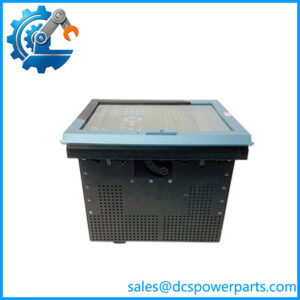
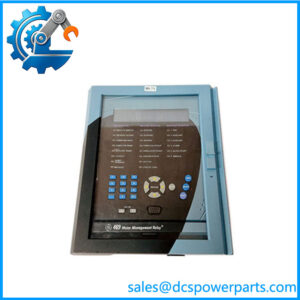
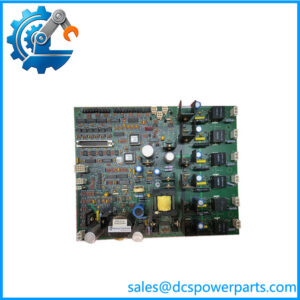
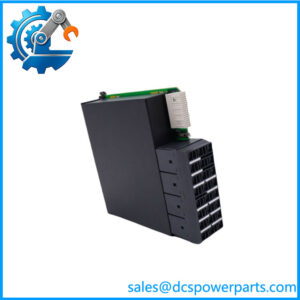
The GE Fanuc VMIVME-3215-000 is a VMEbus analog data acquisition module designed for industrial computing platforms that require direct measurement of external analog signals. As part of the VMIVME family, this module operates as an interface between field instrumentation and a VME-based control computer, converting analog process signals into digital data for monitoring, analysis, and control functions. The GE Fanuc VMIVME-3215-000 was developed for applications where deterministic data collection, hardware longevity, and compatibility with established VME architectures are critical factors.
Within automation, test systems, and industrial research environments, the VMIVME-3215-000 supports integration into VME chassis configurations used for machine monitoring, process analysis, and specialized control platforms. The module provides engineers with a practical solution for maintaining legacy measurement systems without redesigning the complete hardware architecture. Its VME interface allows communication with host processors while preserving the modular expansion concept commonly used in industrial computer systems.
The GE Fanuc VMIVME-3215-000 remains relevant in facilities operating mature VME-based platforms because replacement availability can be a major challenge when original system hardware reaches extended service periods. Engineers typically select this type of board for repair projects, system extensions, or controlled migration programs where existing software and chassis infrastructure must remain operational. Proper verification of channel configuration, installed firmware, and system-level compatibility is required before installation — especially in long-running industrial applications where hardware revisions may differ.
Product Introduction (Non-Templated)
A failed analog acquisition board can stop an entire measurement rack when the replacement path is unclear. The VMIVME-3215-000 provides a direct option for restoring VME-based acquisition systems without replacing the complete platform.
Built for industrial VME computer environments, this module supports legacy replacement projects, DCS system upgrade programs, and specialized data collection applications requiring dependable analog signal processing. Exact channel configuration and revision matching should be confirmed before deployment.
Key Technical Specifications
| Parameter | Value |
|---|---|
| Product Model | VMIVME-3215-000 |
| Manufacturer | GE Fanuc / Abaco Systems |
| Product Type | VME Analog Input Data Acquisition Module |
| Platform | VMEbus Industrial Computer System |
| Bus Interface | VMEbus |
| Application | Industrial measurement, monitoring, control data acquisition |
| Module Format | VME Plug-in Board |
| System Compatibility | VMIVME Series VME chassis and processor systems |
| Input Type | Analog signal acquisition |
| Operating Environment | Industrial control and test system environments |
| Mounting | VME chassis rack installation |
| Condition | New Surplus, Factory Sealed |
Related Products
- VMIVME-3113-000 — Analog input module from the VMIVME acquisition family, suitable for applications requiring additional analog measurement channels or alternative input configurations.
- VMIVME-3122-000 — VME analog output module designed for systems requiring analog control signal generation rather than measurement input.
- VMIVME-4140-000 — High-performance analog output/data acquisition board used in VME-based industrial and laboratory control platforms.
- VMIVME-7750 — VME single-board computer platform often paired with acquisition modules for embedded industrial processing applications.
- VMIVME-5567 — Reflective memory VME module used for high-speed data sharing between industrial computing nodes.
- VMIVME-7698 — VME processor module designed for legacy embedded control systems requiring CPU replacement or expansion.
- VMIVME-7450 — VME computer module supporting industrial automation, test, and measurement environments.
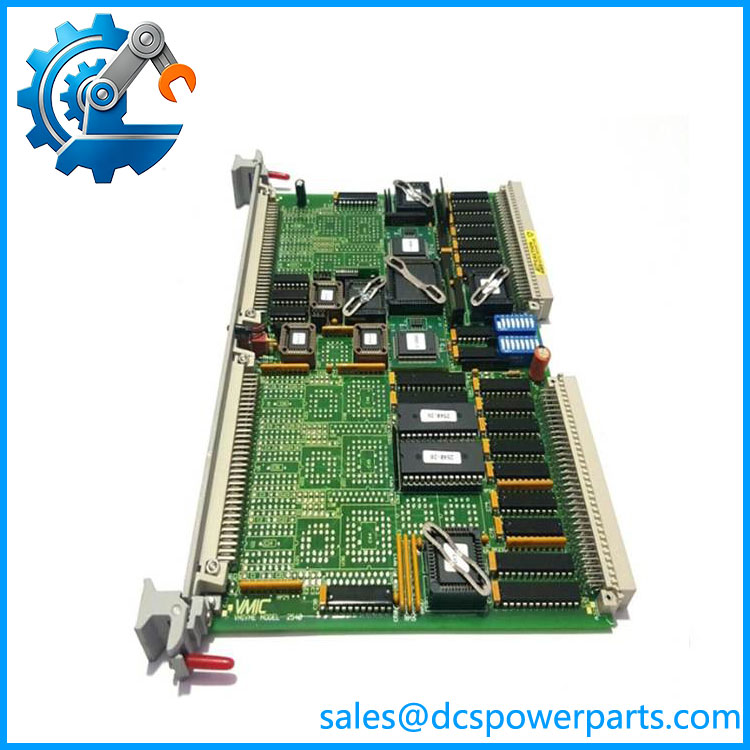
VMIVME-3215
Frequently Asked Questions (FAQ)
1. Is the compatible with existing VMIVME chassis systems?
Compatibility depends on the VME backplane, processor board, software drivers, and existing I/O configuration. The module follows the VMEbus architecture, but engineers should confirm:
- Chassis slot compatibility
- Address configuration
- Driver availability
- Existing application software support
A direct replacement usually requires matching the original board revision and system settings.
2. Can I hot-swap this?
No, the should generally be installed or removed only after the VME system has been powered down.
Traditional VME systems were not designed around live insertion. Removing or installing the board under power may create electrical stress or unexpected system behavior.
3. Does the support firmware v3.1?
Firmware compatibility depends on the exact hardware revision and application environment. The module should be checked against the original documentation, board label information, and installed software driver requirements before commissioning.
For legacy systems, firmware matching is often more important than simply matching the model number.
4. Will replacing my cause me to lose control logic?
The module itself normally does not store PLC-style application logic. Control programs typically reside in the VME processor, host computer, or external storage system.
During replacement, engineers should verify:
- Driver configuration
- Channel mapping
- Calibration settings
- Application database references
5. How can I verify the authenticity of a New Surplus ?
A proper inspection process should include:
- Checking OEM labels and part markings
- Confirming board revision and serial information
- Inspecting connectors and PCB condition
- Verifying functional test records when available
New Surplus status refers to unused inventory condition; it does not replace the need for technical verification before field installation.
6. Is the suitable for a DCS system upgrade?
Yes, it can support certain legacy DCS or industrial computer upgrade projects where VME acquisition hardware remains part of the architecture. The correct approach is to evaluate signal requirements, software dependencies, and long-term support plans before integration.
7. What warranty considerations apply when purchasing this module?
Warranty coverage depends on supplier terms and test verification procedures. For industrial spare modules, buyers should confirm inspection standards, functional testing scope, and replacement procedures before placing the unit into a production-critical system.