Description
Product Overview
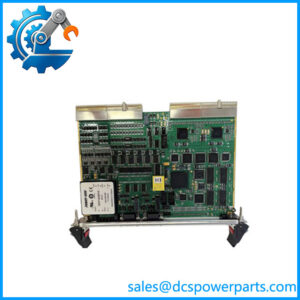
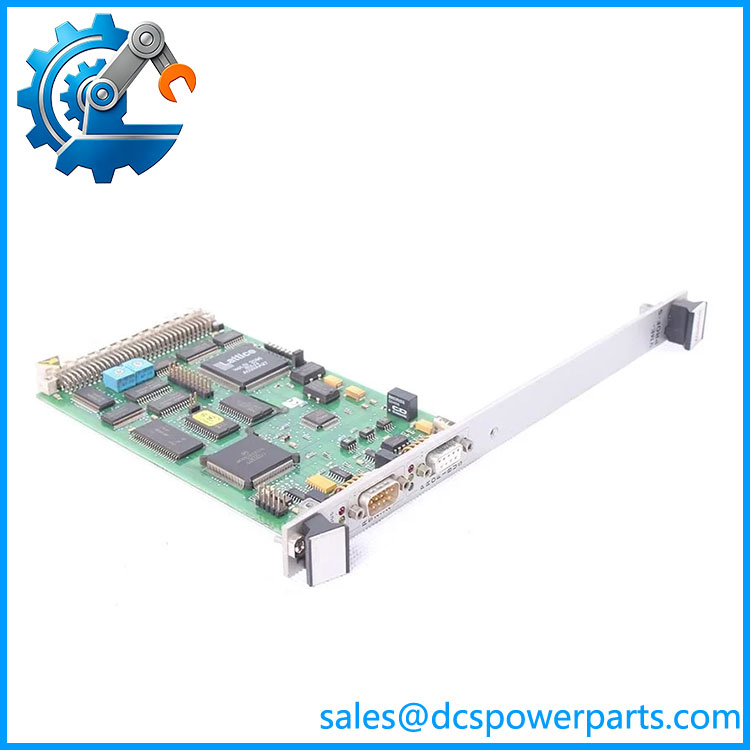
VMIC VME-PROF-S is a VMEbus PROFIBUS communication interface module designed to provide industrial fieldbus connectivity for VME-based automation and control systems. Developed by VMIC (a GE Fanuc company), the board allows embedded VME computers to communicate with PROFIBUS-DP networks commonly used for distributed I/O, drives, and intelligent field devices.
The GE VMIC VME-PROF-S operates as a communication bridge between the VMEbus processor environment and PROFIBUS field devices. In a typical architecture, the VME controller executes application logic while the VME-PROF-S handles PROFIBUS network communication, transferring process data between the host computer and connected devices.
Typical system structure:
VME CPU Module → VME-PROF-S Interface Board → PROFIBUS-DP Network → Remote I/O / Drives / Field Devices
The VME-PROF-S is intended for industrial applications requiring deterministic field communication and integration of legacy VME computer platforms with PROFIBUS automation networks. It is commonly found in machine control systems, laboratory automation equipment, transportation systems, and industrial test platforms.
The module is not a standalone PLC controller. It depends on the host VME processor, application software, and PROFIBUS configuration database. Successful replacement requires verification of the VME backplane configuration, communication software, device configuration files (GSD files), and network parameters.
For maintenance applications, engineers should confirm the exact board revision, firmware version, PROFIBUS mode, and host software compatibility. A replacement communication card may appear operational at the hardware level but fail to exchange process data if configuration files or drivers do not match the existing system.
Technical Specifications
| Parameter | Specification |
|---|---|
| Manufacturer | VMIC / GE Fanuc Intelligent Platforms |
| Model | VME-PROF-S |
| Product Type | PROFIBUS Communication Interface Board |
| Bus Interface | VMEbus |
| Board Format | 6U VME Module |
| Protocol | PROFIBUS-DP |
| Communication Function | PROFIBUS network controller |
| Host Interface | VME backplane |
| Network Interface | RS-485 PROFIBUS connection |
| Application Mode | Master/slave communication (configuration dependent) |
| Mounting | VME chassis slot |
| Cooling | VME rack airflow |
| Typical Use | Industrial automation and embedded control systems |
Main Features and Advantages
PROFIBUS Network Integration
The main purpose of the VMIC VME-PROF-S is connecting VME-based computing platforms with PROFIBUS industrial networks.
It supports communication with:
- Distributed I/O modules
- Variable frequency drives
- Motor controllers
- Intelligent field instruments
- Automation devices
This allows older VME control platforms to remain integrated with modernized field equipment.
VME-PROF-S
VMEbus Industrial Computer Compatibility
The board is designed for systems based on the VMEbus architecture.
Typical VME systems include:
- Industrial computers
- Railway control platforms
- Test and measurement systems
- Military and aerospace test equipment
- Specialized automation controllers
The module communicates through the VME backplane rather than operating independently.
Deterministic Field Communication
PROFIBUS-DP is widely used in industrial environments requiring predictable cyclic data exchange.
Typical applications:
- Remote I/O control
- Drive command and status exchange
- Machine automation
- Process monitoring
The VME-PROF-S provides the communication layer required for these distributed systems.
Legacy Automation System Support
Many industrial systems built around VME technology remain in operation due to long equipment lifecycles.
Maintaining spare modules such as the VME-PROF-S helps support:
- Existing machine controllers
- Test equipment platforms
- Specialized automation systems
Engineering Replacement Considerations
When replacing a VME-PROF-S module, engineers should verify:
- VME CPU compatibility
- PROFIBUS configuration
- Station addressing
- Network baud rate
- Host software drivers
- Application communication libraries
A communication board replacement normally requires both hardware verification and software configuration validation.
Application Scenarios
Industrial Automation Systems
Used for:
- Distributed control systems
- Machine automation
- Production equipment
Drive Control Applications
Typical connections:
- Servo drives
- Motor controllers
- Variable speed drives
Test and Measurement Platforms
Used in:
- Automated test equipment
- Engineering laboratories
- Industrial research systems
Transportation and Infrastructure
Possible applications:
- Railway control equipment
- Specialized embedded controllers
Related Components
| Model | Function |
|---|---|
| VMIC VME-7750 | VME Pentium processor module |
| VMIC VMIVME-5576 | Reflective memory communication module |
| VMIC VMIVME-5567 | High-speed data communication module |
| PROFIBUS-DP Remote I/O Modules | Field devices connected through PROFIBUS |
| VME CPU Boards | Host processing modules |
Engineer’s Guide: Field Pitfalls
⚠️ Verify PROFIBUS Configuration
Common communication failures are caused by:
- Incorrect node address
- Wrong baud rate
- Missing termination
- Incorrect GSD configuration
- Network wiring problems
The interface board may be healthy while the PROFIBUS network is incorrectly configured.
⚠️ Check VME Backplane Compatibility
Before replacement verify:
- VME slot requirements
- Address mapping
- Interrupt configuration
- Host CPU compatibility
⚠️ Confirm Software Driver Support
Legacy VME systems often depend on specific software libraries.
Check:
- Operating system
- Driver version
- Application software
- Communication API
⚠️ Inspect PROFIBUS Cabling
Field faults frequently originate from:
- Damaged RS-485 cable
- Poor shielding
- Incorrect termination resistors
- Connector problems
⚠️ Refurbished Module Testing Requirements
A proper evaluation should include:
- Visual PCB inspection
- VME bus recognition test
- Firmware verification
- PROFIBUS communication test
- Network data exchange test
- Host software integration test
- Long-duration operation test
A board passing a power-on test does not confirm fieldbus functionality.
Frequently Asked Questions
What is VMIC VME-PROF-S?
It is a VMEbus PROFIBUS communication interface board used to connect VME computer systems with PROFIBUS networks.
Is VME-PROF-S a PLC CPU?
No. It is a communication interface module.
What protocol does it support?
It supports PROFIBUS-based industrial communication, primarily PROFIBUS-DP applications.
Where is it installed?
It installs into a VME chassis and communicates through the VME backplane.
What should be checked before replacement?
Verify:
- Model number: VME-PROF-S
- VME chassis compatibility
- PROFIBUS network settings
- Host software drivers
- Firmware revision
- Connected field devices
- Communication parameters