Description
Key Technical Specifications
| Parameter | Value |
|---|---|
| Manufacturer | SCHENCK Process |
| Model | VEG20400 |
| Part Number | D739100.01 |
| Product Type | Weighing Controller Module |
| Main Function | Weight measurement and process control |
| Measurement Input | Load cell / weighing sensor signals |
| Application | Industrial weighing and feeding systems |
| Control Function | Material flow monitoring and regulation |
| Integration | Industrial automation control systems |
| Installation | Control cabinet / weighing system enclosure |
| Communication | System-dependent interface configuration |
| Diagnostics | Measurement and system status monitoring |
| Typical Use | Belt feeders, batching, continuous weighing systems |
Product Introduction
SCHENCK VEG20400 Overview
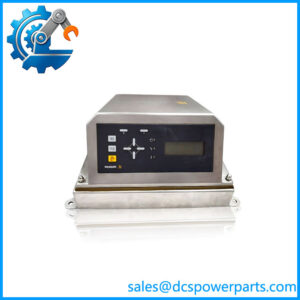
The SCHENCK VEG20400 D739100.01 is an industrial weighing controller designed for process measurement and material handling applications. It provides the control and evaluation functions required to process signals from weighing components and convert them into usable measurement data for industrial automation systems.
The SCHENCK VEG20400 weighing controller is typically installed in systems where accurate monitoring of material quantity, flow rate, and dosing performance is required. It is commonly associated with continuous weighing applications such as belt feeders, batching systems, and bulk material processing equipment.
The SCHENCK VEG20400 D739100.01 receives measurement information from connected weighing sensors and performs calculation functions required for process control. Depending on the system configuration, the controller can support applications involving weight measurement, feed rate regulation, production monitoring, and material flow adjustment.
The SCHENCK VEG20400 module is used in industrial environments where stable measurement performance is important for maintaining production quality and process consistency. Accurate weighing control is especially important in industries such as cement production, mining, chemical processing, and food manufacturing, where incorrect material dosing can directly affect product quality and operating efficiency.
When replacing a , engineers should verify the complete weighing system configuration, including connected load cells, calibration parameters, controller settings, communication interfaces, and application software. A replacement controller may require restoration of calibration data before accurate measurement operation can be achieved.
The weighing controller should be considered as part of the complete measurement chain. Incorrect readings may originate from sensor calibration, mechanical installation problems, cable faults, grounding issues, or process conditions rather than the controller hardware itself.
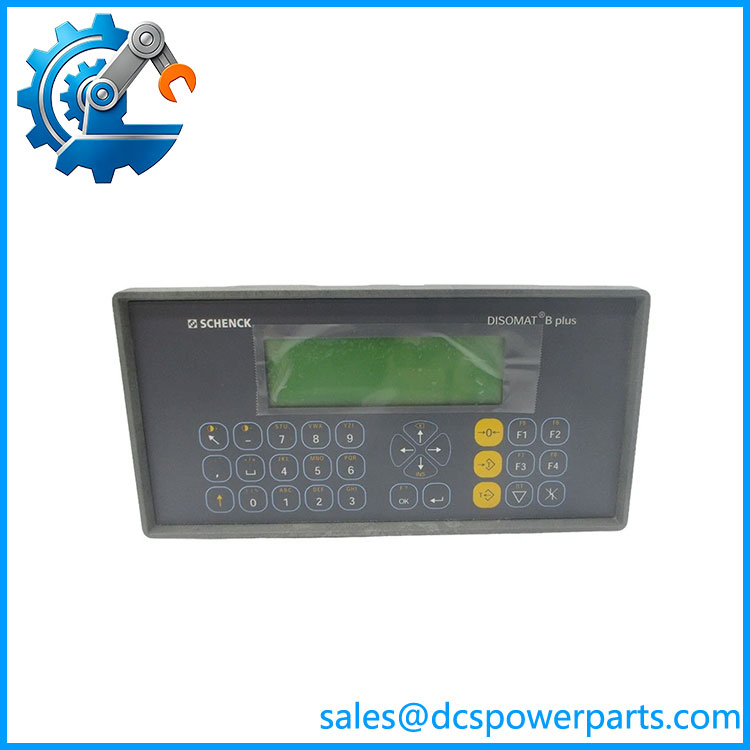
VEG20400
Application Scenarios & Field Considerations
Engineering Pain Point
Typical issues involving the include:
- Incorrect weight readings
- Unstable measurement values
- Material flow control errors
- Calibration drift
- Communication failures with control systems
Possible causes:
- Load cell signal problems
- Incorrect calibration parameters
- Mechanical vibration interference
- Damaged sensor wiring
- Incorrect controller configuration
Recommended troubleshooting steps:
- Check load cell signal stability
- Verify calibration values
- Inspect weighing frame installation
- Check cable shielding and grounding
- Review controller diagnostics
- Compare measured values with reference weights
The depends on correct mechanical installation and sensor calibration. The controller alone cannot compensate for mechanical or measurement system problems.
Typical Applications
Bulk Material Handling
Used for:
- Conveyor weighing systems
- Material flow measurement
- Production quantity monitoring
Cement Industry
Applied for:
- Raw material dosing
- Additive control
- Continuous feeding systems
Mining Operations
Used for:
- Ore weighing
- Conveyor monitoring
- Production tracking
Chemical and Food Processing
Applied for:
- Batch preparation
- Ingredient dosing
- Process material control
Technical Pitfalls to Avoid
1. Verify Sensor Compatibility
Confirm:
- Load cell type
- Signal range
- Wiring configuration
- Calibration requirements
2. Preserve Calibration Data
Before replacement:
- Record zero calibration
- Save span calibration values
- Document parameter settings
3. Check Mechanical Installation
Inspect:
- Weighing platform condition
- Conveyor alignment
- External vibration sources
- Material buildup
4. Validate After Installation
Perform:
- Zero calibration check
- Test weight verification
- Material flow test
- Control system communication check
Related Products
- SCHENCK Process Weighing Controllers
Controllers used for industrial weighing and material flow applications. - SCHENCK Belt Feeder Systems
Continuous feeding systems requiring accurate weight measurement and control. - SCHENCK Load Cell and Measurement Components
Sensor components used with weighing controller systems. - Industrial Batching and Dosing Systems
Automation systems using weighing controllers for controlled material delivery.