Description
Product Introduction (Non-Templated)
System integrators troubleshooting erratic power distribution rails inside dense control enclosures face tight windows to locate replacement hardware. When a legacy power distribution block or interface card exhibits thermal degradation, swapping it out cleanly keeps overall project commissioning on track.
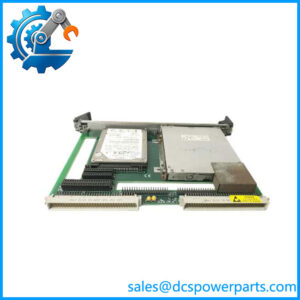
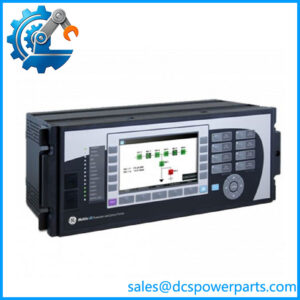
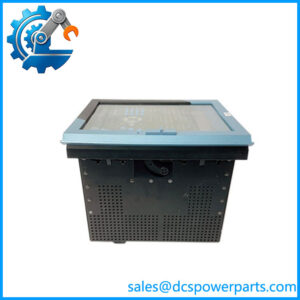
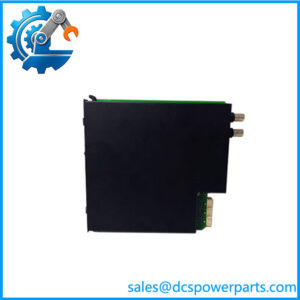
The MM2-PD-1-2-120 provides structured power management and signal isolation for demanding industrial automation setups. Deploying this drop-in replacement ensures compatibility with existing panel layouts without forcing complete rewiring schemes.
Key Technical Specifications
- Module Type: Power Distribution / Signal Interface Module
- Nominal Operating Voltage: 120 VAC/VDC control rails
- Mounting Style: Standard DIN-rail or backplane panel mount
- Termination: Screw-clamp terminal blocks for heavy-gauge copper wiring
- Operating Temperature Range: 0°C to 55°C (32°F to 131°F)
- Enclosure Rating: IP20 open-style industrial chassis layout
- Diagnostics: Integrated power status LED indicators
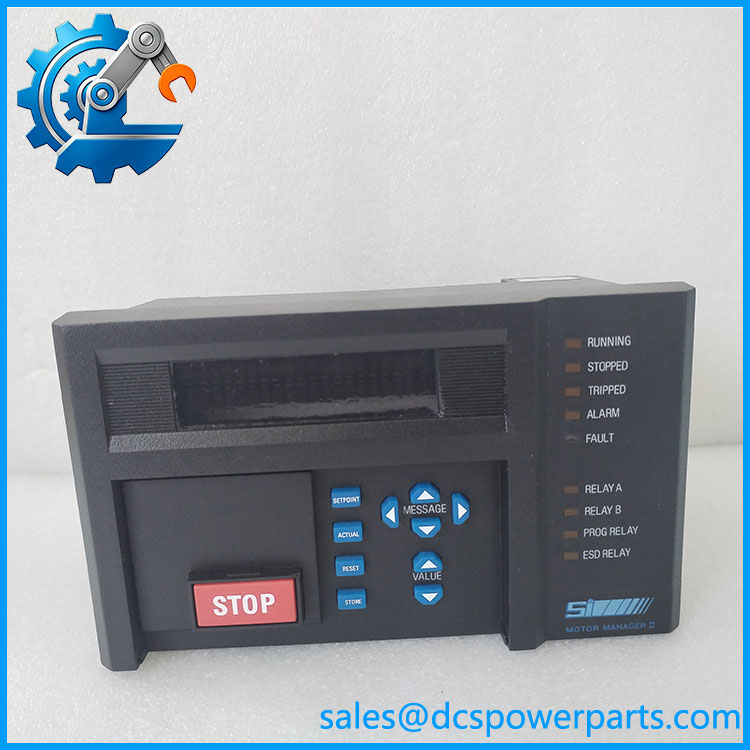
MM2-PD-1-2-120
Application Scenarios & Pain Points
Unexpected power rail drops inside control panels cause cascading system faults, halting automated production lines instantly.
- Material Handling: Managing distributed power logic across complex sorting conveyor control cabinets.
- Process Automation: Distributing clean control voltage to local input/output racks while maintaining electrical isolation.
- Packaging Lines: Regulating auxiliary device feeds where voltage sags create sensor-reading errors.
An automated packaging plant in the Midwest experienced intermittent logic drops due to a failing distribution interface block. Replacing the degraded assembly with a verified surplus MM2-PD-1-2-120 stabilized the local 120V supply rails immediately.
Related Products
- MM2-4TX1: Hirschmann media module; provides Ethernet port expansion on compatible modular switches, often installed in adjacent backplane slots.
- IS220PPRFH1B: PROFIBUS master gateway module; handles industrial network communications separate from power distribution tasks.
- IC086SLM082: Genius bus controller; manages serial node communications within legacy PLC architectures.
- IS200WETBH1B: Water detection terminal board; conditions specialized sensor loops for turbine safety systems.
- MVAX31S1DE0754A: Auxiliary protection relay; supervises high-voltage switchgear tripping circuits independently of low-voltage logic distribution blocks.
Field Pitfalls to Avoid
- Voltage Rating Mismatch: Applying a higher voltage tier than specified to the distribution terminals will instantly damage internal fusing and components. How to avoid: Verify your cabinet transformer taps and multimeter readings match the 120V rating label before landing feed wires.
- Inadequate Wire Strip Lengths: Leaving too much exposed copper outside the terminal block creates short-circuit risks against neighboring chassis components. How to avoid: Strip wire insulation strictly to the manufacturer’s recommended gauge length and torque screw clamps securely.
- Overlooking Ground Continuity: Failing to tie the module chassis ground securely to the backplane panel introduces severe electrical noise (take your time with that grounding lug—a floating ground wreaks havoc on sensitive logic signals downstream).
Frequently Asked Questions (FAQ)
- Can the MM2-PD-1-2-120 handle both AC and DC input voltages? Check the specific engineering suffix on your unit’s data label, as internal filtering components are optimized for specific AC or DC waveform profiles at the 120V level.
- Is this module hot-swappable during live operation? No, always kill main cabinet power and lock out the supply source before replacing distribution and interface hardware.
- What causes terminal blocks on this module to discolor over time? High current draw close to maximum threshold limits or loose screw connections generate localized resistive heat that discolors the plastic housing.
- Are factory-sealed surplus units tested prior to delivery? Yes, verified surplus components undergo complete functional bench testing to guarantee electrical continuity and fault-free performance.
- What is the primary function of the onboard LED indicators? They provide real-time visual confirmation of active input power status across the primary distribution channels.