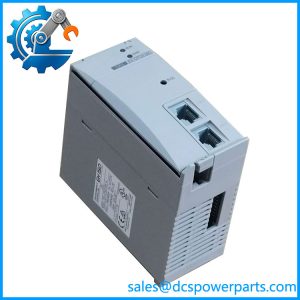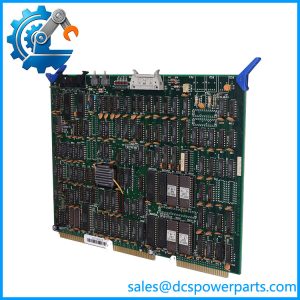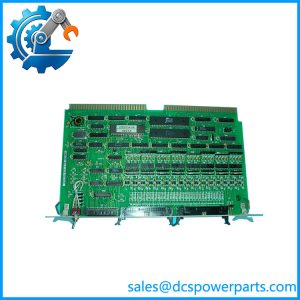
Description
Key Technical Specifications
- Product Model: MPD110A
- Manufacturer: Hitachi
- Product Type: Logic Control Card
- System Family: Hitachi legacy industrial control equipment
- Functional Role: Logic / control processing
- Installation: System-specific rack or card frame
- System Interface: Backplane-dependent
- Application: Industrial process and sequence control
- Configuration: Dependent on host Hitachi control system
- Firmware/Logic: System-dependent
- Power Requirements: Verify against the applicable Hitachi system documentation
- Operating Temperature: Verify from original documentation
- Condition: New Surplus / Used / Tested Refurbished
The available Hitachi equipment reference specifically categorizes MPD110A as a logic control card. The same legacy Hitachi product grouping includes MPD060A, MPD210A, MPD310A, and other MPD-series hardware, indicating that these cards belong to a broader family of specialized control-system modules.
Because detailed electrical specifications for MPD110A are not reliably available in the accessible references, voltage, channel count, connector pinout, and environmental ratings should not be invented or copied from a superficially similar MPD-series card.
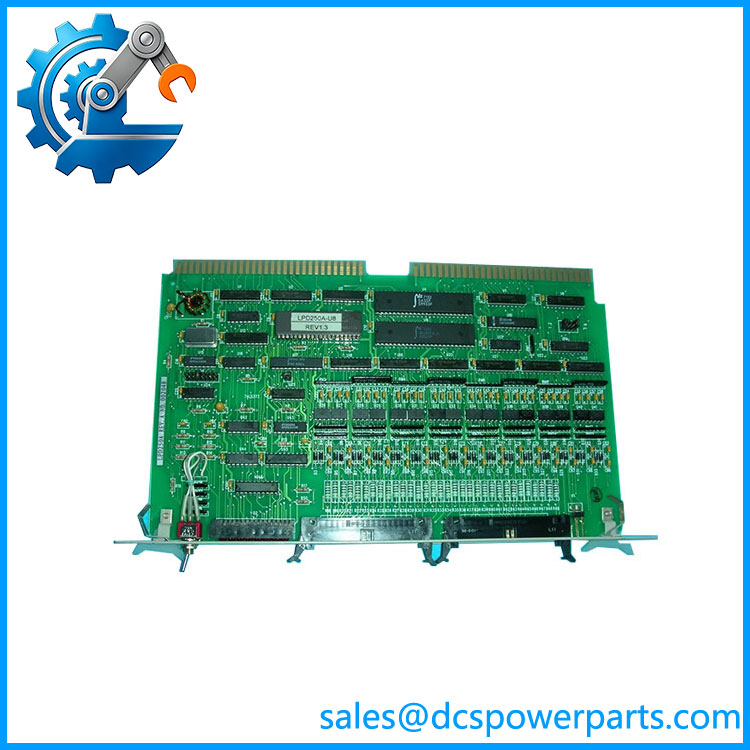
LPD250A
Application Scenarios & Pain Points
With older Hitachi control equipment, a card that handles logic can fail without producing an obvious “logic card failed” indication. The resulting symptoms may appear as sequence interruptions, interlock problems, or unexpected process states.
- Legacy Hitachi control systems: MPD110A is identified as a logic control card used within Hitachi industrial control equipment.
- Sequence and logic control: Where the installed architecture confirms the function, the card supports control logic rather than directly terminating field instrumentation.
- Plant maintenance: An exact spare can be valuable when the surrounding Hitachi control system remains serviceable but a logic-processing card has failed.
- Emergency replacement: Useful for keeping an aging control cabinet operational when a full DCS migration is not immediately justified.
Field note: If a sequence suddenly stops, check the logic card diagnostics together with rack power and the backplane. A marginal supply or connector can create symptoms that resemble a failed processor card.
Related Products
- Hitachi MPD060A — A Hitachi sequential control card listed in the same legacy equipment family. Its role is related to logic processing but differs from the MPD110A identification.
- Hitachi MPD210A — A Hitachi power-supply unit reference within the same MPD family. It supports system power functions rather than replacing the MPD110A logic card.
- Hitachi MPD310A — Listed separately in legacy Hitachi references as a channel input card. It is complementary to a control card but is not a functional substitute for .
- Hitachi MPD410A — Identified as a Hitachi power-supply unit. It may support the same general equipment ecosystem but performs a different function.
- Hitachi MPD411A — Another legacy Hitachi power-supply reference. It should be matched to the correct rack and system configuration before procurement.
- Hitachi LPU100A — Legacy Hitachi control hardware identified in industrial references. It belongs to the broader Hitachi automation ecosystem, but its system function differs from .
- Hitachi LPT020A — A pulse-input module reference within the same legacy Hitachi product group. It is intended for signal acquisition rather than logic control.
- Hitachi LBT010A — Another Hitachi legacy control-system module. Its exact function should be confirmed from the installed system documentation before treating it as complementary hardware.
The Engineer’s Guide: Field Pitfalls to Avoid
⚠️ Do not assume all MPD-series cards are interchangeable.
, MPD310A, MPD410A, and other MPD references have different functional descriptions. Model-number similarity is not sufficient evidence of electrical or firmware compatibility.
⚠️ Verify the rack position before installation.
Logic cards can have dedicated slots or backplane assignments. A physically compatible connector does not necessarily mean the card can be installed in every position.
⚠️ Check the existing system configuration.
If the original card is still operational, record diagnostics and configuration before removing it. A replacement may require system-specific initialization or logic/configuration loading.
Practical check: Photograph the card label, front indicators, connectors, rack position, and adjacent cards. Inspect the backplane contacts for oxidation or contamination—on equipment of this age, that small detail can matter more than expected.
Frequently Asked Questions (FAQ)
What is Hitachi ?
is identified in Hitachi equipment references as a logic control card for legacy industrial control equipment. It is part of a broader family of Hitachi MPD-series control hardware.
Is an I/O module?
It should not be classified as a conventional field I/O module based on the available identification. The documented description is logic control card, while other MPD-series cards are separately identified for input or power functions.
Is part of a Hitachi HIACS system?
The part appears within Hitachi’s legacy industrial control equipment ecosystem, which includes HIACS-related hardware. The exact HIACS generation should be verified from the installed cabinet documentation rather than inferred solely from the model number.
Can replace MPD310A?
No—not as a direct functional substitution. MPD310A is identified in available references as a channel input card, whereas is identified as a logic control card. Their functions are different.
What should I check before purchasing a replacement ?
Provide:
- Complete label
- Hardware/revision markings
- Host Hitachi system model
- Rack and slot position
- Adjacent module numbers
- Front-panel LED condition
- Required quantity and condition
That information is much more useful than relying on “” alone.
How should a used be tested?
A power-on test is not enough. For a logic-control card, testing should verify correct initialization, rack/backplane communication, diagnostics, and the applicable control/logic functions in a compatible test environment.