Description
Product Introduction (Non-Templated)
Plant reliability managers tracking bearing wear and structural resonance across high-load rotating assets know the destructive cost of unmonitored mechanical fatigue. When an aging vibration transmitter fails or drifts out of calibration on a critical drive train, locating an exact drop-in replacement avoids prolonged, uncalculated shutdown risks.
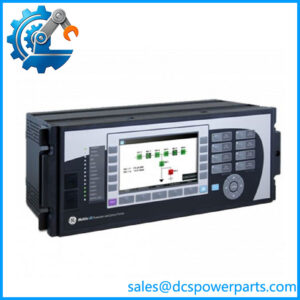
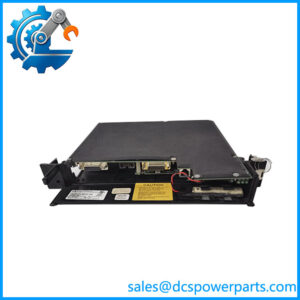
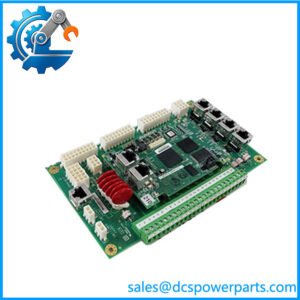
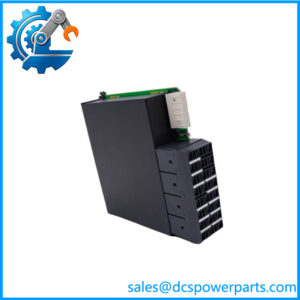
The PCH1026CHF861016 delivers precise triaxial digital vibration monitoring within demanding industrial environments. Deploying this exact hardware variant restores real-time asset health telemetry without requiring controller program logic changes or mounting bracket redesigns.
Key Technical Specifications
- Sensor Type: Triaxial Digital Structural Vibration Monitor
- Monitoring Axes: Three-dimensional acceleration tracking (X, Y, and Z axes)
- Frequency Response: Optimized for low-frequency structural and rotational monitoring
- Input Voltage: Standard industrial 24 VDC control power rail
- Housing Material: Heavy-duty stainless steel / industrial alloy enclosure
- Enclosure Protection: High IP rating designed for outdoor and offshore deployment
- Connectivity: Industrial multi-pin connector interface with integrated shielding
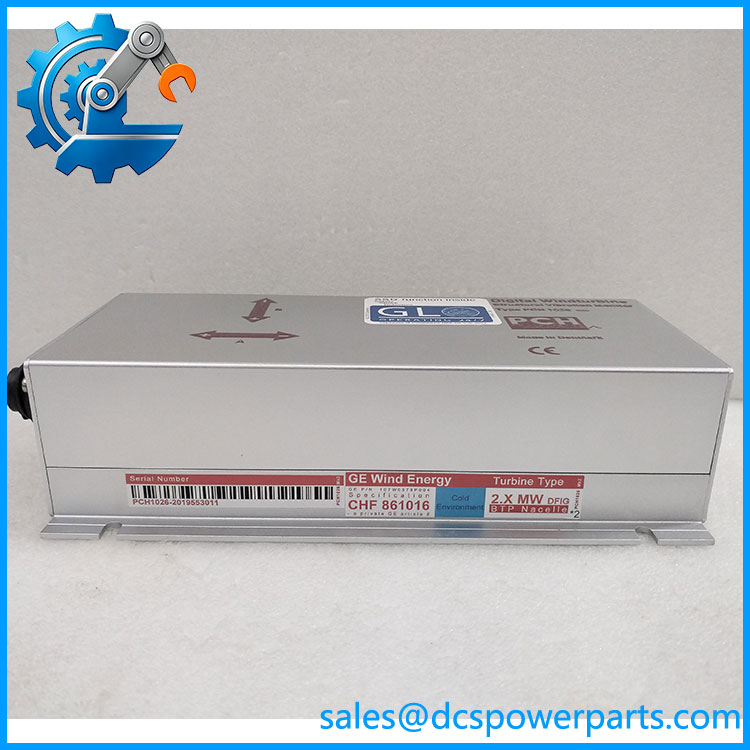
PCH1026CHF861016
Application Scenarios & Pain Points
Unidentified structural resonance or bearing degradation on heavy rotating equipment leads to catastrophic mechanical failures if early warning metrics are lost.
- Wind Turbine Nacelles: Tracking low-frequency tower sway and gearbox vibration profiles where structural fatigue threatens multi-megawatt assets.
- Heavy Industrial Pumps & Compressors: Monitoring multi-axis casing vibration to catch misalignment before catastrophic shaft failure occurs.
- Heavy Manufacturing Drives: Supervising high-torque rolling mill stands exposed to severe shock loads and continuous vibration.
A wind energy facility in the American Midwest faced intermittent data dropouts on a nacelle monitoring loop during severe seasonal windstorms. Swapping out the erratic accelerometer assembly for a verified surplus PCH1026CHF861016 restored stable multi-axis telemetry instantly.
Related Products
- PCH1026MK2: Standard variant in the PCH digital vibration monitor line; shares compatible firmware profiles.
- Bently Nevada 330103: Proximity probe transducer; handles shaft relative vibration separate from structural accelerometer housings.
- IS220PPRFH1B: PROFIBUS master gateway module; bridges industrial network communications outside of vibration monitoring loops.
- IC086SLM082: Genius bus controller module; manages legacy serial node traffic within older GE automation racks.
- MVAX31S1DE0754A: Auxiliary protection relay; supervises switchgear tripping circuits independently of sensor arrays.
The Engineer’s Guide: Field Pitfalls to Avoid
- Improper Stud Torque: Mounting the sensor stud onto an unflat or dirty machine surface dampens high-frequency shock transmission and skews readings. How to avoid: Spot-face the mounting pad flat, clean the surface thoroughly, and torque the mounting stud to exact manufacturer specifications.
- Ungrounded Cable Shields: Leaving signal cable drain wires ungrounded or grounded at both ends introduces severe electromagnetic interference (take your time routing those shielded lines away from high-voltage motor VFD cables—induced noise causes erratic spike alarms).
- Thermal Expansion Stress: Rigidly running conduit directly to the sensor body without a flexible whip allows thermal expansion on hot machinery housings to crack internal connections. How to avoid: Always incorporate a flexible liquid-tight conduit section leading into the sensor termination hub.
Frequently Asked Questions (FAQ)
- Can the PCH1026CHF861016 be calibrated in the field? Zero and span calibrations are typically managed via configuration software or factory-set baseline profiles, depending on the connected monitoring node.
- What causes sudden spikes in digital vibration output data? Sudden amplitude jumps usually point to loose mechanical mounting hardware, actual bearing cage failure, or severe electrical grounding loops.
- Are factory-sealed surplus sensors tested prior to shipment? Yes, verified surplus hardware undergoes rigorous bench simulation and signal sweep testing to validate triaxial output accuracy.
- Does this sensor require a dedicated power supply module? It operates on standard industrial low-voltage DC rails typically sourced from the local instrumentation rack or panel supply.
- Why is the unit rated for low-frequency monitoring environments? Low-frequency optimization allows the sensor to capture massive structural sway and heavy rotational harmonics common in large turbines and slow-speed drives.