Description
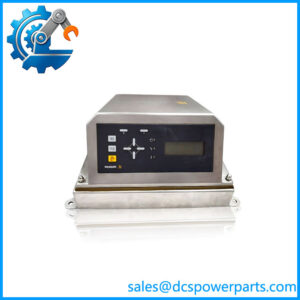
Fireye SC2L-95UVS1E-1CEX UV Flame Scanner
Product Introduction
The Fireye SC2L-95UVS1E-1CEX is a microprocessor-based ultraviolet flame scanner designed for flame supervision in industrial combustion systems. Equipment records consistently associate the model with the Fireye 95UVS1E-1CEX family and identify it as a flame-scanning device rather than a PLC, DCS I/O module, or general-purpose process transmitter. The scanner monitors ultraviolet radiation generated by combustion and provides the flame information required by the associated burner-management or combustion-safety system.
The Fireye SC2L-95UVS1E-1CEX belongs to the class of intelligent flame detectors in which the sensing electronics perform signal evaluation rather than simply providing an unprocessed sensor output. This allows the connected combustion controller to distinguish flame conditions from the absence of a usable flame signal. The 95UVS family is used in applications where reliable flame supervision is required during burner startup, normal operation, and flame-out conditions.
For engineers maintaining legacy combustion equipment, the Fireye SC2L-95UVS1E-1CEX should be treated as a safety-related field instrument. Physical mounting is only one part of compatibility. Optical alignment, burner geometry, flame characteristics, electrical interface, hazardous-area requirements, detector sensitivity, and the configuration of the receiving flame safeguard all need to agree with the original installation. A replacement should therefore be qualified against the complete part number and application rather than selected solely because it belongs to the same Fireye 95UVS family.
Technical Specifications
| Specification | Details |
|---|---|
| Manufacturer | Fireye |
| Product Family | 95UVS1E |
| Model | SC2L-95UVS1E-1CEX |
| Product Type | Microprocessor-Based UV Flame Scanner |
| Detection Principle | Ultraviolet flame detection |
| Primary Function | Flame presence / flame-out supervision |
| Typical Installation | Burner or combustion-chamber flame viewing |
| Application | Industrial combustion and burner-management systems |
| Controller Interface | Flame and fault signaling, configuration dependent |
| Processor-Based Electronics | Yes |
| Hazardous-Area Variant | CEX designation; exact certification must be verified from nameplate |
| Configuration | Application-dependent |
| Mounting | Field-mounted flame-viewing installation |
| Calibration / Setup | Application-specific |
| Replacement Requirement | Match complete model and installation configuration |
Specification note: I have intentionally not assigned a specific supply voltage, output current, temperature range, NEMA rating, or explosion-protection certification from weak reseller data. The available sources confirm the model family and flame-scanner function, but do not provide sufficiently reliable documentation to establish every suffix-specific electrical and environmental parameter.
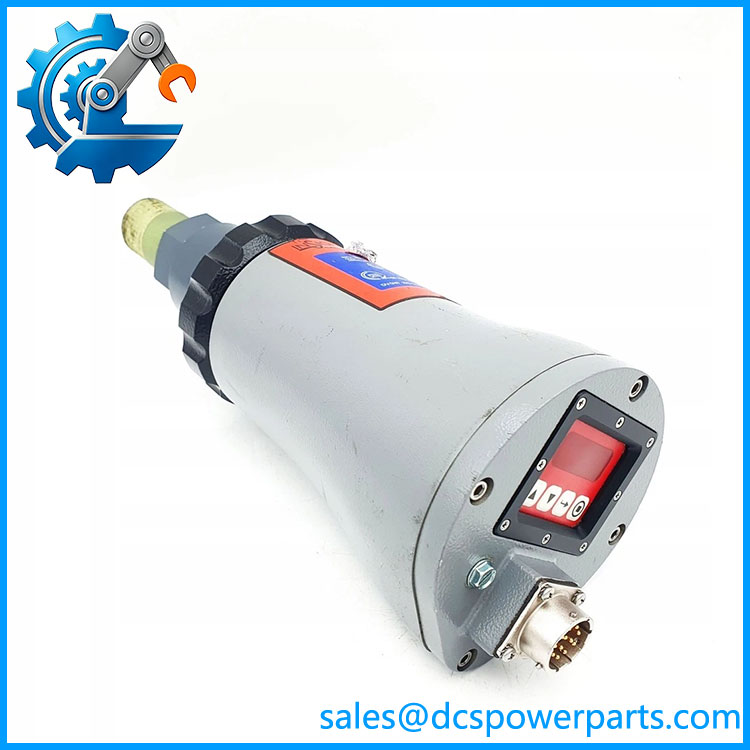
SC2L-95uvs1e-1cex
Main Features and Engineering Considerations
Ultraviolet Flame Detection
The 95UVS1E family uses ultraviolet sensing to identify radiation associated with combustion. UV flame detection is commonly used where the combustion system requires a dedicated flame-presence signal for burner permissive and shutdown logic.
Microprocessor-Based Signal Processing
The scanner incorporates electronic processing rather than functioning as a simple passive UV sensor. The processor-based architecture allows flame information to be evaluated within the detector before it is passed to the associated combustion control equipment.
Combustion Safety Application
The most important role of the scanner is flame supervision. During startup, the burner-management system can use the scanner’s flame information to confirm successful ignition. During normal operation, loss of the required flame signal can initiate the appropriate shutdown sequence through the combustion safeguard.
Field Flame Viewing
Correct optical alignment is critical. The detector must have an appropriate view of the target flame while avoiding excessive exposure to hot refractory, ignition sparks, adjacent burners, or other UV-producing sources that could interfere with flame discrimination.
Hazardous-Area Configuration
The supplied -1CEX designation should be retained exactly in procurement documentation. The available records associate the model with CEX/explosion-protection configurations, but the exact certification marking should be verified from the physical nameplate and applicable Fireye documentation before making a hazardous-area compliance claim.
Application Scenarios
Industrial Boilers
Used for burner flame supervision in boiler combustion systems where flame presence must be continuously monitored.
Process Heaters
Suitable for flame monitoring on industrial heating equipment when the burner-management architecture uses UV flame detection.
Furnaces
Can be applied to industrial furnace burner systems requiring dedicated flame detection.
Oil and Gas Combustion Equipment
The 95UVS family can be encountered in combustion equipment where flame detection forms part of the fuel permissive and shutdown chain.
Legacy Burner Management Systems
The model is particularly relevant when maintaining existing Fireye-based combustion systems where the original flame scanner must be replaced without changing the established burner-management architecture.
Engineer’s Guide: Field Pitfalls
1. Do not treat this as a standard process sensor.
A flame scanner participates in a combustion-safety function. Replacement testing should therefore cover the complete burner-management sequence rather than only checking whether the detector produces a signal.
2. Verify optical alignment.
A scanner can be electrically healthy and still produce unreliable flame detection if its viewing axis is wrong. Confirm the actual flame envelope and detector sighting.
3. Check the sight tube and viewing window.
Dust, soot, oil deposits, refractory buildup, or condensation can attenuate UV radiation and create a weak or intermittent flame signal.
4. Watch for false UV sources.
Ignition equipment, adjacent flames, hot combustion components, and other radiation sources can affect flame detection. The scanner should be aimed at the intended flame zone.
5. Match the complete model.
Do not replace SC2L-95UVS1E-1CEX with another 95UVS unit solely because the basic family number appears similar. Electrical, mechanical, certification, and application configurations can differ.
6. Verify hazardous-area markings.
If the detector is installed in a classified area, compare the actual nameplate certification with the site hazardous-area requirements. Do not infer certification solely from an online product listing.
7. Check the receiving flame safeguard.
The scanner and its controller form a functional chain. Verify wiring, signal interpretation, permissive logic, flame-failure timing, and trip behavior after replacement.
8. Do not change flame thresholds casually.
If the replacement produces a different signal level from the original unit, investigate alignment, flame characteristics, wiring, and detector condition before modifying burner-management thresholds.
Frequently Asked Questions
What is Fireye ?
It is a Fireye 95UVS-family microprocessor-based ultraviolet flame scanner used for industrial combustion and burner flame supervision.
Is it a PLC or DCS module?
No. It is a field flame detector. It supplies flame-monitoring information to the associated combustion safeguard or control system.
What does UV mean?
UV refers to ultraviolet radiation. The scanner detects ultraviolet energy associated with combustion and uses that information for flame supervision.
Where is it normally installed?
It is installed so that its optical sensing path has a suitable view of the burner flame. Exact mounting and sighting arrangements depend on the burner and furnace design.
Is explosionproof?
The supplied CEX configuration is associated with an explosion-protection version in available product records. However, the exact certification should be confirmed from the physical nameplate and the applicable Fireye certificate before using the unit in a classified-area compliance assessment.
Can I replace it with a 95UVS2 unit?
Do not assume so. The available Fireye-related records show both 95UVS1E and 95UVS2 configurations, but they should not be treated as automatically interchangeable. Compare the complete part number, sensing characteristics, electrical interface, certification, mounting, and burner-management controller compatibility first.
Procurement Note
For , use the complete supplied designation when requesting a replacement:
Fireye — 95UVS Series Microprocessor-Based Ultraviolet Flame Scanner.
For a safety-critical burner application, request a clear photograph of the complete nameplate before approving an equivalent. Confirm the full model suffix, electrical supply, output/interface, certification marking, mounting arrangement, optical configuration, burner application, and receiving flame-safeguard model.
The main procurement risk is assuming that every Fireye 95UVS scanner is electrically and functionally interchangeable. The available records show related 95UVS1E-1CEX and SC2L-95UVS2-1CEX products, but the distinction should be resolved from the original equipment documentation rather than guessed from the family name.