Description
Key Technical Specifications
| Parameter | Value |
|---|---|
| Model Number | 0010-23715 |
| Manufacturer | AMAT (Applied Materials) |
| Product Type | Semiconductor Equipment OEM Electronic Assembly |
| Application | Applied Materials wafer fabrication equipment |
| Function | Equipment control, interface, or subsystem support |
| Equipment Category | Semiconductor process manufacturing tools |
| Compatibility | Tool-model dependent; verify OEM documentation |
| Installation Method | OEM equipment replacement component |
| Operating Environment | Semiconductor manufacturing environment |
| Communication / Interface | Verify according to equipment configuration |
| Lifecycle Status | Legacy / Limited availability |
Product Introduction
AMAT 0010-23715 Product Introduction
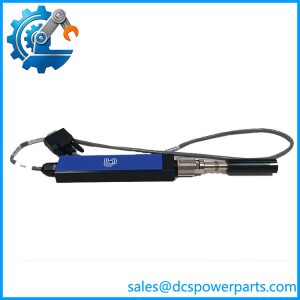
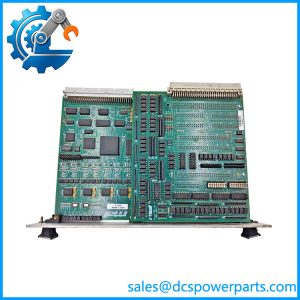
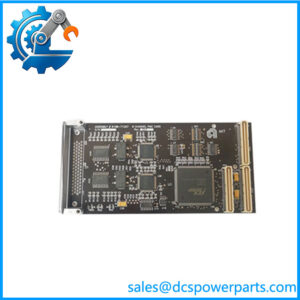
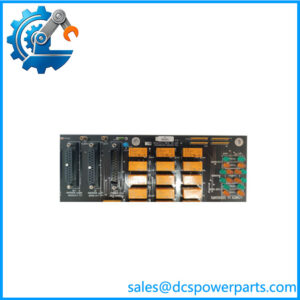
AMAT 0010-23715 is an Applied Materials OEM electronic assembly designed for semiconductor manufacturing equipment applications. This type of component operates as part of a larger process tool control architecture, supporting machine functions, subsystem interaction, or equipment-level electronics.
For fabs operating legacy Applied Materials platforms, AMAT 0010-23715 can help restore equipment availability when an original assembly requires replacement. Engineers should verify tool compatibility, hardware revision, and system configuration before installation because AMAT assemblies are commonly developed for specific equipment generations.
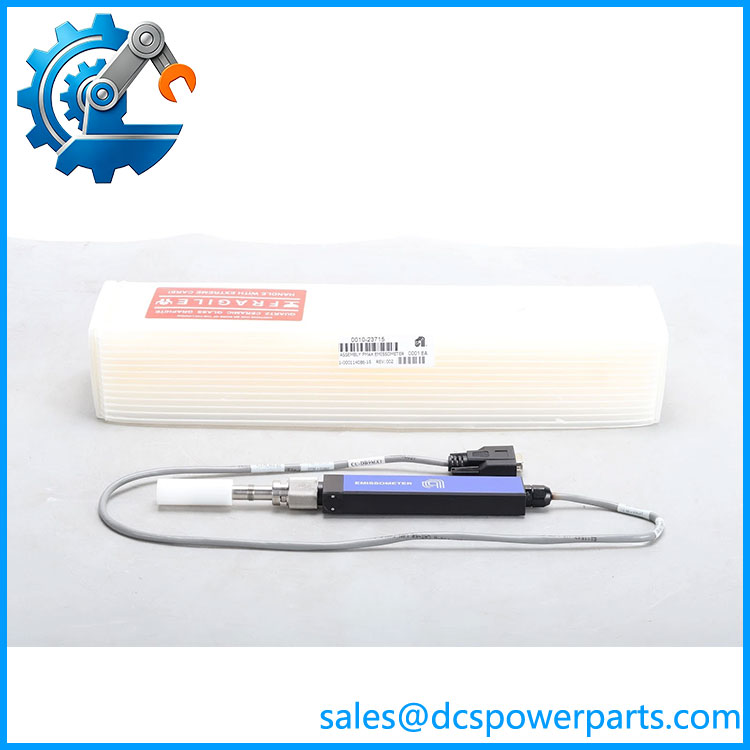
0010-23715
Application Scenarios & Field Pitfalls (The Engineer’s Perspective)
Engineering Pain Point
A semiconductor process tool failure is rarely limited to one failed component. A single unavailable electronic assembly can stop an entire production sequence, especially on older AMAT platforms where OEM replacement cycles have ended. Engineers often face the challenge of matching the correct assembly revision while avoiding unexpected communication or initialization failures after replacement.
Typical Applications
- Semiconductor Fabrication – Replacement of electronic assemblies inside Applied Materials wafer processing equipment.
- Wafer Processing Facilities – Supporting maintenance activities for legacy deposition, etch, or process control platforms.
- Microelectronics Production – Maintaining installed semiconductor manufacturing equipment requiring OEM-compatible spare assemblies.
- Semiconductor Research Labs – Keeping older process tools operational for development and pilot manufacturing work.
Technical Pitfalls to Avoid
- Verify Tool Compatibility Before Installation
AMAT part numbers are frequently tied to specific equipment models. Confirm the complete tool configuration, not only the assembly number. - Check Revision and Firmware Dependencies
Some electronic assemblies require matching firmware, software versions, or controller configurations. A replacement board may require additional setup before returning the tool to production. - Follow Semiconductor Handling Procedures
ESD protection and controlled storage conditions are important. Improper handling can damage sensitive electronic components before installation.
Related Products
- AMAT 0010 Series Assemblies
Related OEM hardware assemblies used across Applied Materials semiconductor equipment platforms. Compatibility depends on tool generation and subsystem design. - AMAT 0190 Series Modules
Legacy electronic assemblies used in Applied Materials equipment maintenance programs. Selection requires matching system configuration. - AMAT Equipment Interface Boards
Used for communication between equipment controllers and machine-level devices. - AMAT Control Electronics Assemblies
Supporting modules responsible for equipment operation, monitoring, and subsystem control functions. - AMAT Power Distribution Assemblies
Hardware components used to supply and manage electrical power within semiconductor processing systems. - AMAT I/O Interface Modules
Designed for signal exchange between sensors, actuators, and equipment control electronics. - Applied Materials Legacy Spare Components
Used by semiconductor facilities maintaining older installed equipment where replacement availability is limited.