Description
Key Technical Specifications
| Parameter | Value |
|---|---|
| Manufacturer | ABB |
| Model Number | SA168 |
| Order Number | 3BSE003389R1 |
| Product Type | Power Supply Unit |
| System Platform | Advant OCS / Advant Master |
| Input Voltage | 230VAC, 50/60Hz |
| Input Power Rating | Approx. 900VA |
| Output Voltage | 24VDC |
| Output Current | 25A |
| Fuse Specification | 10A fuse, part number 5672827-10 |
| Mounting Type | Control cabinet installation |
| Dimensions | Approx. 482 × 177 × 255 mm |
| Weight | Approx. 26.6 kg |
| Application | Controller racks, industrial automation power distribution |
| Compatible Systems | Advant Controller 410, Advant Controller 450, related ABB Advant platforms |
Product Introduction
ABB SA168 3BSE003389R1 Overview
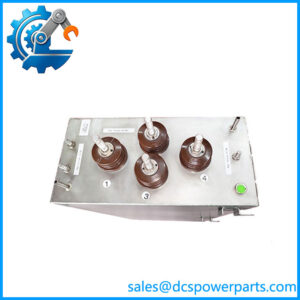
The ABB SA168 3BSE003389R1 is a power supply unit designed for ABB Advant OCS and Advant Master process control systems. It converts 230VAC input power into regulated 24VDC output for supplying controller hardware and associated automation components.
The ABB SA168 3BSE003389R1 is mainly found in legacy ABB DCS installations where maintaining the original power architecture is important. For replacement projects, engineers should verify cabinet layout, load requirements, fuse configuration, and the complete power distribution design before installation.
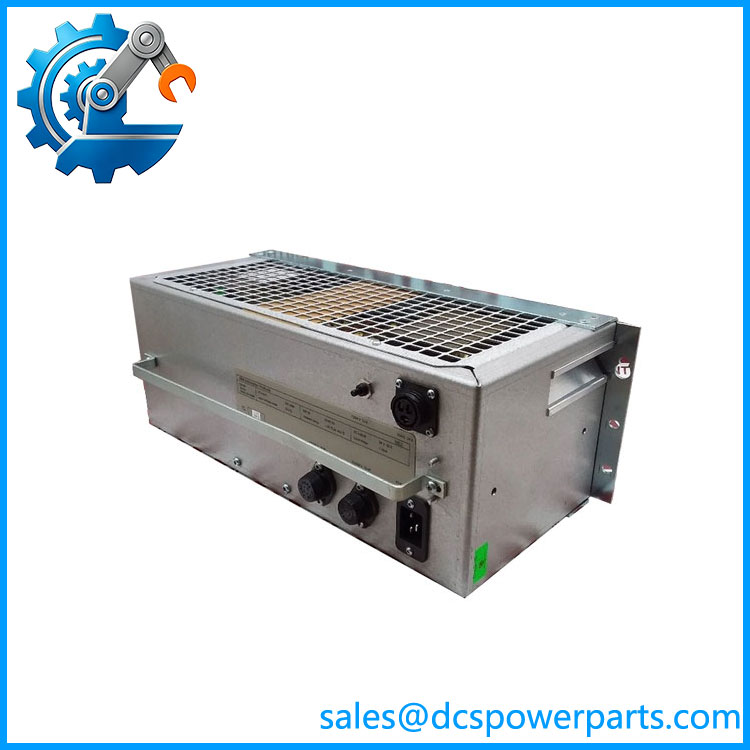
SA168 3BSE003389R1
Application Scenarios & Field Pitfalls (The Engineer’s Perspective)
Engineering Pain Point
A process control cabinet suddenly loses a controller rack after years of stable operation. The temptation is to replace the CPU or communication module first. In many legacy ABB systems, the actual failure point is the power supply section.
The SA168 is a critical part of the control power chain. Aging capacitors, degraded cooling conditions, overloaded DC circuits, and poor cabinet maintenance can all contribute to unexpected shutdowns. A replacement power unit should be treated as part of a complete power integrity check.
Typical Applications
- Oil & Gas Facilities – Advant controller cabinets supporting process monitoring, valve control, and production automation.
- Chemical Plants – DCS cabinets powering controller assemblies and field interface equipment.
- Power Generation – Legacy ABB Advant control systems used for auxiliary systems, balance-of-plant controls, and monitoring applications.
- Water Treatment Facilities – Older ABB control installations requiring continued operation of existing automation infrastructure.
Technical Pitfalls to Avoid
- Verify Output Load Requirements
A 24VDC supply replacement must match the actual cabinet load. Check connected modules, field devices, and expansion hardware before startup.
- Inspect DC Distribution Components
Do not assume the power supply is the only failed component. Check terminal blocks, fuses, wiring insulation, and downstream short circuits.
- Confirm Advant System Compatibility
The SA168 belongs to ABB legacy control platforms. Verify the exact controller rack, power distribution arrangement, and cabinet drawings before installation.
Related Products
- ABB SA801F
Advant control system power supply component used in ABB legacy automation architectures. Application depends on rack design and voltage requirements. - ABB SA610 3BHT300019R1
Related ABB Advant power supply module. Used in different Advant system configurations where alternative power ratings are required. - ABB SAFT063F380
ABB power supply family component for industrial automation systems. Used in legacy control cabinets with different voltage requirements. - ABB SAFT100F380
Higher-capacity power supply unit within ABB legacy system power architectures. - ABB SAFT120PAC
Related ABB power module used for industrial control system power distribution applications. - ABB Advant Controller 410 (AC410)
Legacy ABB controller platform that may use power supply assemblies as part of the control cabinet architecture. - ABB Advant Controller 450 (AC450)
Larger Advant controller platform where -based power supply configurations were applied. - ABB Advant OCS Control System Components
Family of legacy DCS hardware requiring careful compatibility checks during maintenance and migration projects.