Description
Product Overview
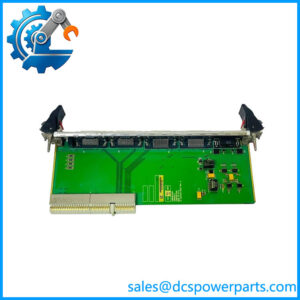
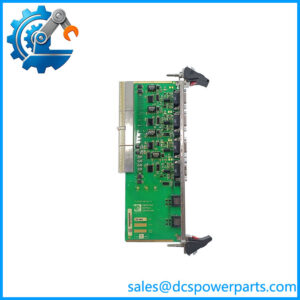
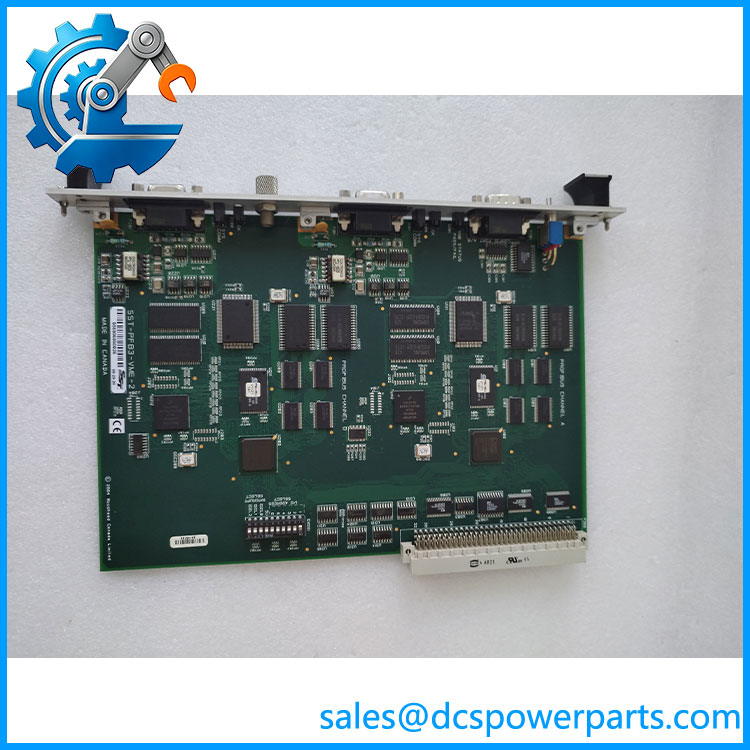
The SST SST-PB3-VME-2 is a dual-channel PROFIBUS interface card designed to connect VMEbus-based computers, motion controllers, and programmable control systems to industrial PROFIBUS networks. It belongs to the SST PB3 interface family and provides two independent communication channels on one VME card. Each channel has its own processor and can be configured for PROFIBUS DP master, DP slave, or FDL Layer 2 messaging, subject to the application firmware and software configuration. This architecture supports applications that require separate fieldbus connections without sharing the two channels’ processor or memory resources.
For integration planning, the SST SST-PB3-VME-2 supports standard PROFIBUS data rates from 9.6 kbps through 12 Mbps. Each channel uses a female DB9 connector for the fieldbus connection, while the host-side interface follows the VMEbus architecture. The published hardware specifications identify a double-height 6U module and a typical +5 VDC current draw of approximately 1.4 A for the two-channel card. The VME host configuration, address-space allocation, interrupt settings, firmware, and host-driver support must be checked against the installed system before commissioning.
The SST SST-PB3-VME-2 is relevant to maintenance teams preserving legacy control equipment where replacing the host platform may require substantial software and system requalification. Before selecting a spare, compare the complete part number, board revision, firmware requirements, connector layout, and existing host configuration. A physically compatible VME card is not automatically a functional replacement: the application must also support the required communication modes and software interface. Confirm the delivered unit’s condition and test evidence independently rather than assuming a used, refurbished, or surplus card has been validated for the intended installation.
Product Introduction
When a legacy VME controller must communicate with two PROFIBUS networks, a dual-channel interface can reduce the need for separate single-channel cards. The SST-PB3-VME-2 supports data rates up to 12 Mbps and independent channel operation, making it a candidate for established automation and motion-control installations.
For a replacement project, verify the VME address settings, interrupt configuration, channel firmware, and host software before installing the card. These checks help avoid communication faults during commissioning and reduce the risk of ordering a board that fits the rack but does not match the existing application.
Key Technical Specifications
| Parameter | Specification |
|---|---|
| Product Model | SST-PB3-VME-2 |
| Manufacturer / Brand | SST; Woodhead/Molex product family |
| Product Type | Dual-channel PROFIBUS VME interface card |
| Form Factor | Double-height, 6U VME module |
| Host Bus | VMEbus |
| Communication Protocol | PROFIBUS DP, FDL Layer 2 |
| Operating Modes | DP Master Class 1/Class 2 and DP Slave, subject to configuration |
| Number of Channels | 2 independent channels |
| Data Rate | 9.6 kbps to 12 Mbps |
| Fieldbus Connector | Female DB9 per channel |
| Backplane Supply | +5 VDC |
| Typical Current Draw | 1.4 A for the two-channel card |
| VME Data Transfer | 16-bit transfers (D16) |
| Host Addressing | VME A24 standard and A16 short I/O support |
| Operating Temperature | 0°C to +60°C |
| Storage Temperature | −40°C to +85°C |
| Humidity | 5%–90%, noncondensing |
| Installation Method | Compatible 6U VME rack/backplane |
| Protection Rating | No verified IP rating for the board itself |
Specifications are based on available SST hardware documentation. Confirm revision-specific details against the card label and applicable hardware guide before purchase or installation.
SST-PB3-VME-2
Related Products
These models belong to the same interface family or support related PROFIBUS/VME integration tasks. They are not automatically interchangeable.
- SST-PB3-VME-1 — Single-channel VME PROFIBUS card; consider when only one network connection is required.
- SST-PB3-PCU — SST PB3 PROFIBUS interface in a PCI format for compatible computer platforms.
- SST-PB3-PCU-2 — Dual-channel PCI interface option; check host bus and driver compatibility before comparing it with the VME version.
- SST-PB3-SLC — PROFIBUS interface intended for compatible Rockwell SLC 500 systems.
- SST-PB3-CNF-U — USB-key configuration software option for supported SST PB3 interfaces.
- SST-PB3-CNF-P — Parallel-key configuration software option for supported SST PB3 interfaces.
- 5136-PFB-VME — SST PROFIBUS VME interface product; confirm its channel count, hardware revision, and software requirements before considering it for a replacement.
Frequently Asked Questions
1. What is the SST-PB3-VME-2 used for?
It connects a VMEbus host computer or controller to PROFIBUS networks. Typical applications include legacy industrial control and motion-control systems that use PROFIBUS-connected devices.
2. Does the support two independent PROFIBUS networks?
Yes. The card has two independent channels, each with its own processor and resources. Actual simultaneous operation depends on the firmware and application configuration.
3. Can I hot-swap this card while the controller is running?
Do not assume hot-swap capability. The hardware reference information identifies a VME interface card but does not establish that live insertion or removal is supported in every host chassis. Follow the VME system manufacturer’s shutdown and service procedures.
4. Does the support firmware v3.1?
The model number alone does not establish compatibility with a particular firmware version. Check the installed firmware, boot code, configuration utility, and host driver against the applicable documentation before upgrading or replacing the card.
5. Can I use the SST-PB3-VME-1 as a direct replacement?
Not without reviewing the application. The SST-PB3-VME-1 has one channel, whereas the has two. Replacing the dual-channel version with a single-channel model may leave one network connection unavailable and could require software changes.
6. How can I verify that a replacement card is authentic and functional?
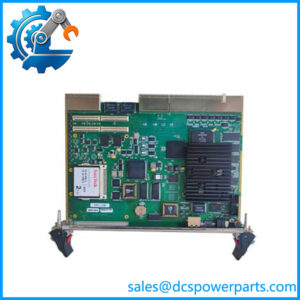
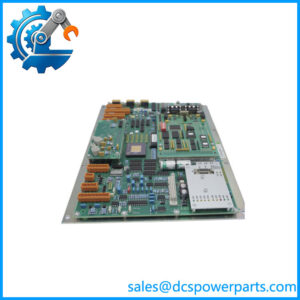
Compare the board label, complete part number, revision markings, connectors, and visible component condition with the existing unit. Request documented functional-test results and confirmation of the channels tested. A visual inspection alone does not demonstrate successful PROFIBUS communication.
7. Does replacing the card retain the existing configuration?
Do not assume that configuration and firmware will transfer automatically. Record the VME address and interrupt switch settings, channel configuration, firmware versions, and host software requirements before removing the installed card. Verify the replacement configuration and communication behavior during commissioning.