Description
Product Introduction (Non-Templated)
Exposing delicate turbine control logic to high-vibrational industrial environments can quickly compromise field wiring connections, resulting in intermittent signal loss and unmanaged emergency trips. Managing hundreds of discrete start-stop interlocks and status inputs across a heavy gas turbine enclosure requires rugged terminal hardware capable of withstanding severe electrical noise—which is precisely where this specialized termination board steps in.
Plant engineers handling gas turbine overhauls or control room retrofits rely on this exact termination card to maintain solid physical contact points for critical field loops. Integrating a verified replacement board eliminates frustrating high-resistance wiring faults while ensuring seamless signal transition into the main Mark VI processing rack.
Key Technical Specifications
- Manufacturer: GE Energy (General Electric)
- Series: Mark VI / Mark VIe Turbine Control
- Module Type: Discrete I/O Terminal Board (TBCI)
- Board Revision: H2CCD
- Wiring Interface: Heavy-duty screw clamp terminal blocks
- Isolation: Optical isolation across digital channels
- Operating Temperature: -30 °C to +65 °C (-22 °F to +149 °F)
- Storage Temperature: -40 °C to +85 °C (-40 °F to +185 °F)
- Mounting Style: Standard panel mount / cabinet backplate configuration
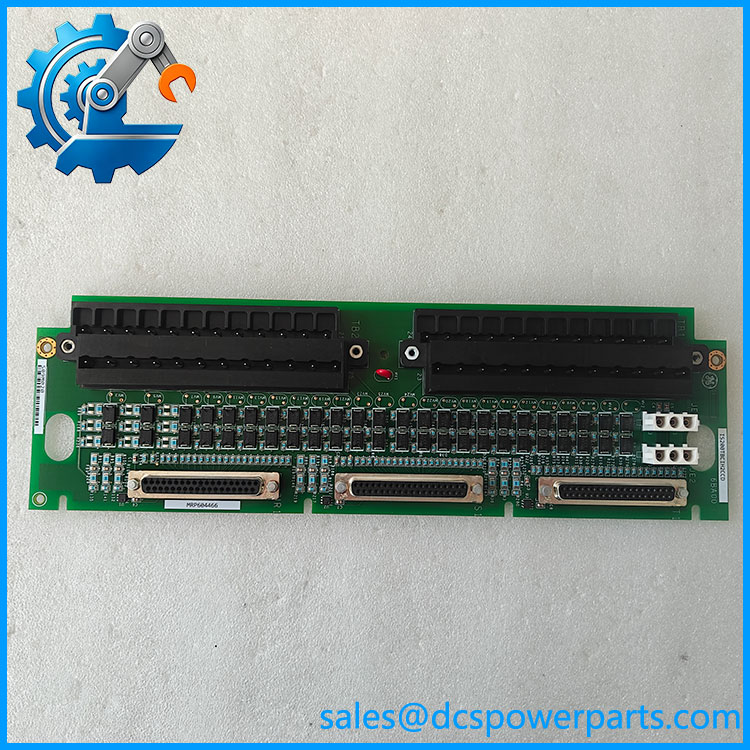
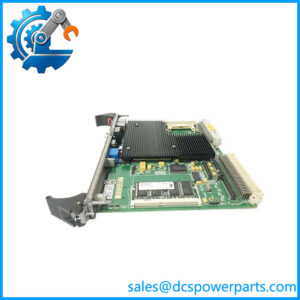
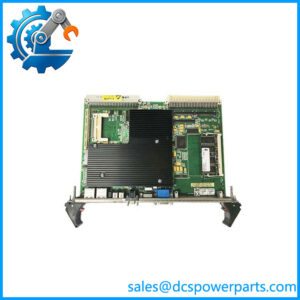
IS200TBCIH2CCD
Application Scenarios & Pain Points
When an aging termination board suffers from screw thread stripping or terminal oxidation inside a turbine auxiliary compartment, critical interlock signals drop out unpredictably, frustrating commissioning teams and delaying unit startup.
- Gas Turbine Enclosures: Deployed to terminate field instrumentation wiring for fire protection interlocks, lube oil pressure switches, and auxiliary valve limits.
- Steam Turbine Skids: Installed in heavy-duty control cabinets managing high-voltage breaker statuses and trip solenoids.
- Power Generation Plant Upgrades: Used in retrofitted turbine control panels requiring clean, reliable migration paths from legacy wiring harnesses.
A combined-cycle power station in the Midwest experienced intermittent digital input faults on a primary gas turbine package during high-humidity spring weather. Replacing a corroded terminal card with this factory-original GE board cleared the phantom trip signals instantly, restoring unit reliability ahead of peak power demand.
Related Products
- GE IS200VSRCH1A: Simplex Versatile Relay Output Board operating within adjacent cabinet racks.
- GE IS200STAIH1A: Simplex Thermocouple Analog Input Board used for temperature monitoring loops.
- GE Mark VI Controller Processor (CPCC/IS220): Core computing module receiving processed signals from the termination boards.
- GE IS200TRLYH1B: Output relay termination card handling heavy inductive switching loads.
- GE Pre-fabricated I/O Cable Harnesses: Multi-conductor ribbon and shield cables linking the TBCI board directly to the VME rack I/O cards.
The Engineer’s Guide: Field Pitfalls to Avoid
- WARNING: Over-Torquing Terminal Screws. Cranking down too hard on the screw clamp terminals strips the internal threads or shears delicate copper wire strands, creating hidden high-resistance open circuits. How to avoid: Use a calibrated torque screwdriver and strip wire insulation strictly to the manufacturer’s recommended depth.
- WARNING: Hot-Working Without Auxiliary Power Isolation. Modifying field wiring or swapping ribbon cables on the IS200TBCIH2CCD while cabinet loop power is live can inject voltage spikes into the I/O processor. How to avoid: Isolate both external field power sources and internal rack supplies prior to performing mechanical wiring work.
- WARNING: Ignoring Shield Grounding Requirements. Leaving signal cable shields ungrounded or tying them to floating cabinet points invites massive electromagnetic interference into digital input lines. How to avoid: Terminate all drain wires securely to the designated cabinet earth grounding bar.
Frequently Asked Questions (FAQ)
- Can I upgrade an older non-CCD suffix TBCI board directly with this IS200TBCIH2CCD model? Well, technically component layout revisions require checking your specific Mark VI hardware configuration files in ToolboxST to ensure full pin-for-pin and firmware alignment before installation.
- What are the typical signs that a terminal board is failing in the field? Symptomatic indicators include erratic digital input state toggling in the control software, missing LED status activity on corresponding I/O cards, or visible terminal corrosion from moisture ingress.
- Does this board process analog signals or is it strictly for discrete I/O? The TBCI series is dedicated entirely to discrete digital input and output signal termination; analog signals are routed through separate dedicated termination boards (such as the STAI series).
- What type of quality assurance testing is performed on surplus termination boards? Reputable industrial suppliers conduct thorough visual inspections for trace damage, continuity testing on all screw terminals, and verify optical isolation health prior to shipment.
- How should I protect the replacement board from electrostatic or environmental damage? Keep the card sealed in its original anti-static packaging until final installation, handle it by its clean edges, and ensure your cabinet environment maintains proper climate control to prevent condensation buildup.