Description
Product Introduction (Non-Templated)
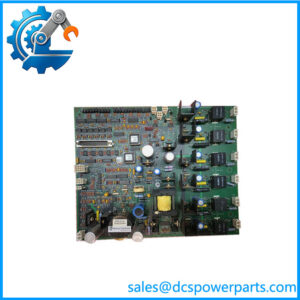
Harsh coastal environments and heavy-duty industrial turbine housings expose internal control electronics to aggressive moisture, salt mist, and thermal cycling, which can rapidly degrade standard circuit boards and trigger catastrophic communication faults. Protecting field signal integrity under these severe operating conditions demands specialized hardware protected by heavy-duty chemical barriers—which is precisely where this conformal-coated I/O assembly steps in.
Engineers managing turbine maintenance or retrofit cycles rely on this specific processor-linked card to maintain precise data exchange across the control backbone. Integrating a verified replacement module prevents localized sensor dropouts while preserving real-time timestamping accuracy for high-speed diagnostic logs.
Key Technical Specifications
- Manufacturer: GE Energy
- Series: Mark VIe / Mark VIe Wind
- Functional Acronym: AEAA
- Coating: Conformal Coated PCB Protection
- Input Voltage Range: 24V DC to 48V DC
- Operating Temperature: -40 °C to +70 °C (-40 °F to +158 °F)
- Storage Temperature: -40 °C to +85 °C (-40 °F to +185 °F)
- Communication Interface: IONet Real-Time Ethernet / VME Backplane Bus
- Mounting Configuration: Standard 6-hole edge mounting design
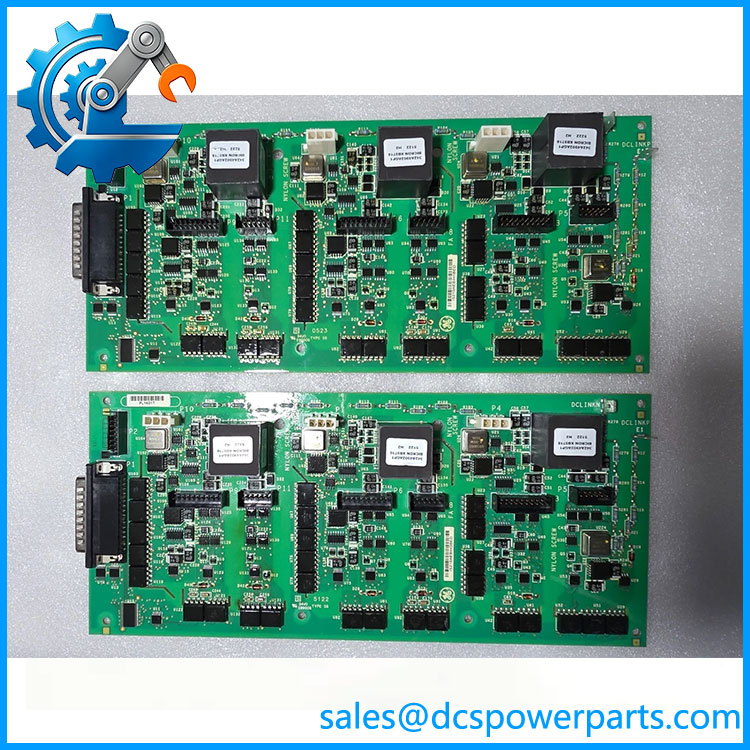
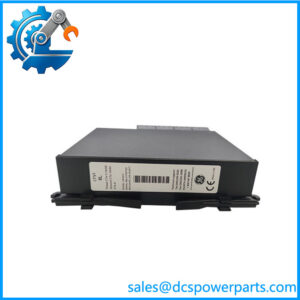
IS210AEAAH2B
Application Scenarios & Pain Points
When an unshielded control board fails inside a wind turbine nacelle due to condensation buildup, the unit loses pitch and yaw feedback, forcing an emergency grid disconnect and expensive downtime.
- Wind Turbine Nacelles: Deployed to process closed-loop excitation signals, yaw feedback, and emergency brake interlocks under extreme weather swings.
- Heavy Industrial Drives: Used in large motor control skids requiring robust environmental resistance against airborne contaminants.
- Power Generation Facilities: Installed in auxiliary electrical cabinets to handle high-speed analog/digital data acquisition for generator protection schemes.
A wind farm operator in the Pacific Northwest suffered recurrent communication dropouts on an aging turbine controller cabinet during heavy winter rainstorms. Swapping the moisture-damaged legacy board with this conformal-coated GE module eliminated the intermittent bus faults completely, securing reliable operation through the storm season.
Related Products
- IS215WECAH: Main CPU controller board communicating directly via the backplane bus.
- EX2100 Excitation Control Parts: Compatible power regulation components used alongside turbine I/O files.
- IS220UCSAH1A: Mark VIe controller module managing core processing architecture.
- IS200DSPCH1A: Digital signal processor board used in adjacent drive and excitation racks.
- IS200STAIH1A: Simplex thermocouple analog input terminal board linked to system I/O networks.
The Engineer’s Guide: Field Pitfalls to Avoid
- WARNING: Compromising the Conformal Coating. Scratching or scraping the protective polymer coating during installation exposes sensitive traces to moisture and corrosive gas paths. How to avoid: Handle the board exclusively by its edges or non-conductive brackets, and never use sharp metal probes directly on coated components.
- WARNING: Hot-Seeding onto Live Backplanes. Pushing the IS210AEAAH2B onto an active terminal base without cutting control power risks shorting out sensitive low-voltage transceiver chips. How to avoid: Always power down the local rack or follow strict lockout/tagout (LOTO) safety protocols prior to mechanical installation.
- WARNING: Firmware Revision Mismatches. Dropping a Revision B board into a rack configured for an older hardware iteration can cause silent configuration faults in the ToolboxST application. How to avoid: Verify that your software suite matches the physical hardware revision and perform a configuration verification check before re-energizing the loop.
Frequently Asked Questions (FAQ)
- What does the conformal coating on this specific board actually protect against? The specialized polymer layer protects the underlying circuitry from ambient moisture, condensation, salt spray, and minor airborne chemical contaminants typical of outdoor wind turbine nacelles.
- Can I configure this module using standard GE programming software? Yes, configuration and diagnostic monitoring are handled directly through GE’s ToolboxST application environment, matching the network parameters of your specific turbine node.
- What do the front diagnostic LEDs indicate during normal operation? A steady green status light indicates proper internal power rails and successful self-tests, while flashing or red patterns signal communication timeouts with the main processor or active channel errors.
- Is this part interchangeable with non-conformal standard versions? While physical pinouts may match, using a non-coated board in high-humidity or corrosive environments drastically shortens operating lifespan and violates original safety build specifications.
- What is the standard testing procedure for surplus replacement boards? Reputable suppliers subject these cards to power-on static checks, insulation resistance testing, and burn-in verification to ensure complete hardware health before shipment.