Description
Product Overview
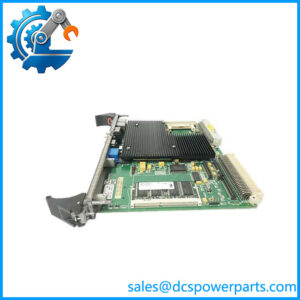
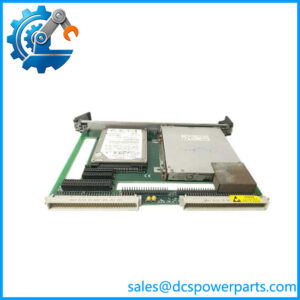
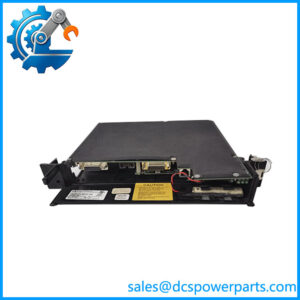
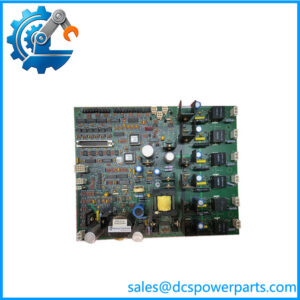
The GE Fanuc IC698PSA100 is the 100 W AC/DC input power supply for the PACSystems RX7i PLC platform. Installed in the dedicated power-supply position of an RX7i rack, it converts the incoming plant supply into the DC rails required by the rack electronics. The documented input range is 85–264 VAC at 47–63 Hz, with support for 100–150 VDC input. Its three primary outputs are +5 VDC, +12 VDC, and -12 VDC, with maximum capacities of 20 A, 2 A, and 1 A respectively. The total output allocation is limited to 100 W.
For GE Fanuc IC698PSA100, rack-load calculation is more important than simply matching the input voltage. The +5 VDC rail carries most of the RX7i module load and can provide up to 20 A, while the auxiliary +12 VDC and -12 VDC rails provide 2 A and 1 A. The supply includes electronic short-circuit, overcurrent, overvoltage, and thermal protection, plus power-factor correction during AC operation. Full 100 W operation is specified for ambient temperatures from 0 to 60°C without forced-air cooling, which makes the PSA100 suitable for RX7i racks whose calculated load remains within its capacity.
The GE Fanuc IC698PSA100 is therefore a rack infrastructure component rather than a controller or I/O module. It works with RX7i CPUs and rack modules through the backplane and provides the power and logic-level sequencing signals needed for normal rack operation. For a replacement, confirm the total module load before choosing between the PSA100 and the higher-capacity IC698PSA350; the latter provides 350 W but has different cooling requirements.
Product Introduction
A rack can contain a perfectly healthy CPU and still fail to start if its power budget or DC rails are wrong. IC698PSA100 provides 100 W total capacity, including 20 A on +5 VDC, for the RX7i rack power architecture.
For an RX7i PLC power supply replacement, calculate the installed module load first. The PSA100 belongs in the dedicated power-supply slot and accepts both wide-range AC and supported DC input.
Key Technical Specifications
| Parameter | Value |
|---|---|
| Manufacturer | GE Fanuc / GE Intelligent Platforms |
| Catalog Number | IC698PSA100 |
| Product Family | PACSystems RX7i |
| Product Type | Rack Power Supply |
| Input Type | AC/DC |
| Nominal Input | 120/240 VAC or 125 VDC |
| AC Input Range | 85–264 VAC |
| AC Frequency | 47–63 Hz |
| DC Input Range | 100–150 VDC |
| Maximum Output Power | 100 W total |
| +5 VDC Output | 0–20 A |
| +12 VDC Output | 0–2 A |
| -12 VDC Output | 0–1 A |
| +5 VDC Regulation Range | 4.875–5.25 VDC |
| +12 VDC Regulation Range | 11.64–12.60 VDC |
| -12 VDC Regulation Range | -12.60 to -11.64 VDC |
| Input-to-Output Isolation | 250 VAC continuous; 1500 VAC for 1 minute |
| AC Ride-Through | 15 ms minimum |
| Output Hold-Up | 5 ms minimum |
| Rack Location | Slot 0 / leftmost power-supply position |
| Cooling | Convection cooling at full 100 W capacity |
| Operating Temperature | 0–60°C |
| Inrush Current | 15 A max at 120 VAC; 30 A max at 230 VAC |
| Protection | Short-circuit, overcurrent, overvoltage, overtemperature |
| Power Factor | 0.99 minimum between 90–260 VAC |
The electrical limits above are taken from RX7i installation documentation rather than inferred from the catalog number.
Related Products
- IC698PSA350 — 350 W AC/DC RX7i rack power supply. It provides substantially greater current capacity than the PSA100 and is intended for higher-load racks; forced-air cooling is required for full rated capacity.
- IC698PSD300 — 300 W DC-input RX7i power supply. It is intended for systems using a 24 VDC source rather than the PSA100’s wide-range AC/DC input architecture.
- IC698CPE010 — RX7i 300 MHz CPU with embedded 10/100 Ethernet. It is a controller module and depends on the rack power supply for its operating DC rails.
- IC698CPE020 — RX7i 700 MHz CPU with embedded 10/100 Ethernet. It provides substantially greater processing capability than the CPE010 but remains part of the same RX7i rack architecture.
- IC698CHS017 — 17-slot RX7i rear-mount rack. The PSA100 installs into the dedicated power-supply position of the rack.
- IC698CHS117 — 17-slot RX7i front-mount rack. It provides the rack infrastructure in which the RX7i power supply and controller/I/O modules are installed.
- IC697PWR711 — 100 W Series 90-70 power supply. It may appear similar in power rating, but it belongs to a different PLC platform and should not be treated as an RX7i substitute.
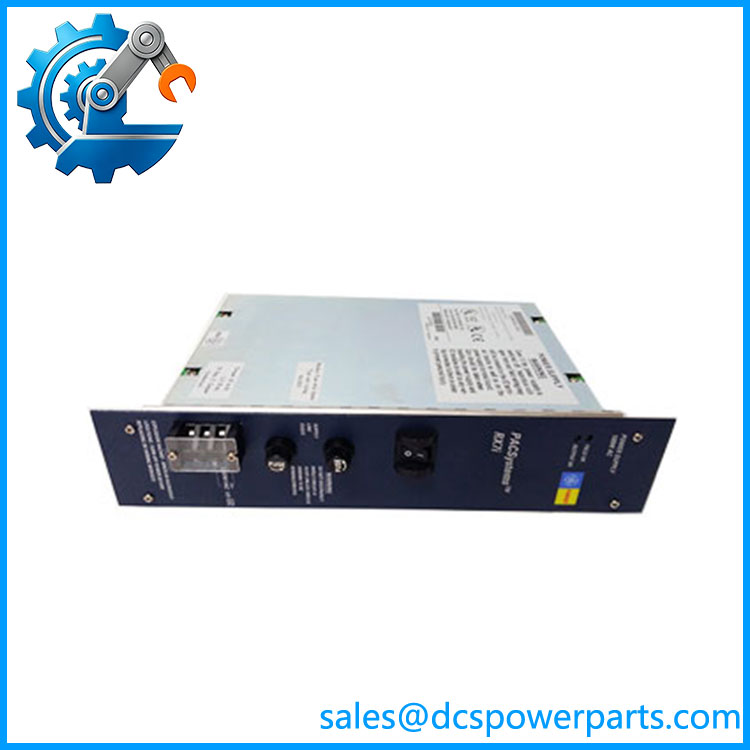
IC698PSA100
Frequently Asked Questions
What is GE Fanuc IC698PSA100 used for?
The supplies the operating DC power required by an RX7i rack.
It provides:
- +5 VDC for rack electronics
- +12 VDC auxiliary power
- -12 VDC auxiliary power
- Rack-level sequencing signals
- Power-failure signaling
The module is installed in the dedicated leftmost power-supply position rather than in a normal I/O slot.
What is the maximum output of ?
The maximum total output is 100 W.
The individual rail limits are:
- +5 VDC: 20 A
- +12 VDC: 2 A
- -12 VDC: 1 A
These limits cannot simply be added together as independent full-power outputs because the supply has a 100 W total output allocation.
Can I replace with IC698PSA350?
Not as a simple assumption.
The IC698PSA350 is the higher-capacity member of the RX7i power-supply family, rated at 350 W versus 100 W for the . It also requires forced-air cooling for full rated capacity.
Before changing the power supply, check:
- Rack model.
- Installed module load.
- Cooling arrangement.
- Input voltage.
- Mechanical clearance.
- Plant-approved hardware configuration.
If the existing rack only requires 100 W, the may be the more appropriate like-for-like replacement.
Does support 24 VDC input?
No.
The supports 100–150 VDC, not a nominal 24 VDC input. For an RX7i system based on a 24 VDC source, the IC698PSD300 is the appropriate power-supply family to investigate.
Can I hot-swap ?
Do not treat it as a live-replaceable module.
The installation manual explicitly warns that hazardous voltage remains inside the power supply whenever input power is supplied. The front-panel ON/OFF switch controls the output channels; it does not disconnect the incoming line power.
For replacement, isolate the incoming supply, follow the site’s electrical safety procedure, and verify absence of hazardous voltage before removing the module.
What should I check before ordering a replacement ?
Use the following procurement checklist:
- Exact catalog number:
- Hardware revision
- Existing RX7i rack model
- Total +5 VDC load
- Total +12 VDC load
- Total -12 VDC load
- Incoming AC/DC source
- Terminal and fuse condition
- Physical condition of the backplane connector
- Existing power-supply diagnostic status
The most common procurement mistake is selecting a supply solely because its input voltage matches. Rack load is the deciding electrical constraint.
How should a New Surplus be tested?
A proper acceptance test should verify the supply under load rather than merely checking whether its front-panel LEDs illuminate.
Recommended sequence:
- Confirm the complete nameplate.
- Inspect the input terminals, fuse holders, connector, and enclosure.
- Verify hardware revision.
- Install it in a compatible RX7i test rack.
- Apply controlled input power.
- Measure +5 VDC, +12 VDC, and -12 VDC.
- Apply a representative rack load.
- Monitor output stability during startup.
- Verify ACFAIL and output-status indications.
- Perform a controlled power interruption and confirm ride-through behavior.
- Check for excessive temperature or abnormal noise.
- Record measured output voltages and load currents.
The documented provides at least 15 ms of AC-input ride-through and at least 5 ms of output hold-up, so these functions can also be included in a structured acceptance test.