Description
Product Introduction (Non-Templated)
Troubleshooting legacy turbine control racks requires surgical precision when tracking down communication or discrete logic failures. When a critical board inside an aging Mark IV enclosure suffers thermal fatigue, plant operators cannot afford extended downtime waiting for custom component repairs.
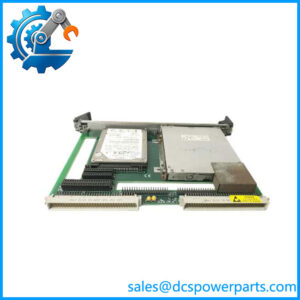
The DS3800HIOC serves as a vital digital I/O interface card within the robust Mark IV architecture. Utilizing this drop-in replacement ensures seamless legacy PLC replacement and hardware restoration without rewriting core cabinet wiring schematics.
Key Technical Specifications
- Board Type: Digital Input/Output Card (HIOC)
- Compatible System: GE Mark IV Gas Turbine Control Platform
- Mounting Style: Rack-mounted card slide with backplane edge connection
- Interface: Multi-pin edge fingers connecting directly to rack bus rails
- Operating Temperature Range: 0°C to 55°C (32°F to 131°F)
- Environmental Protection: Industrial multi-layer circuit board with standard trace layout
- Diagnostics: Localized status indicator points for circuit monitoring
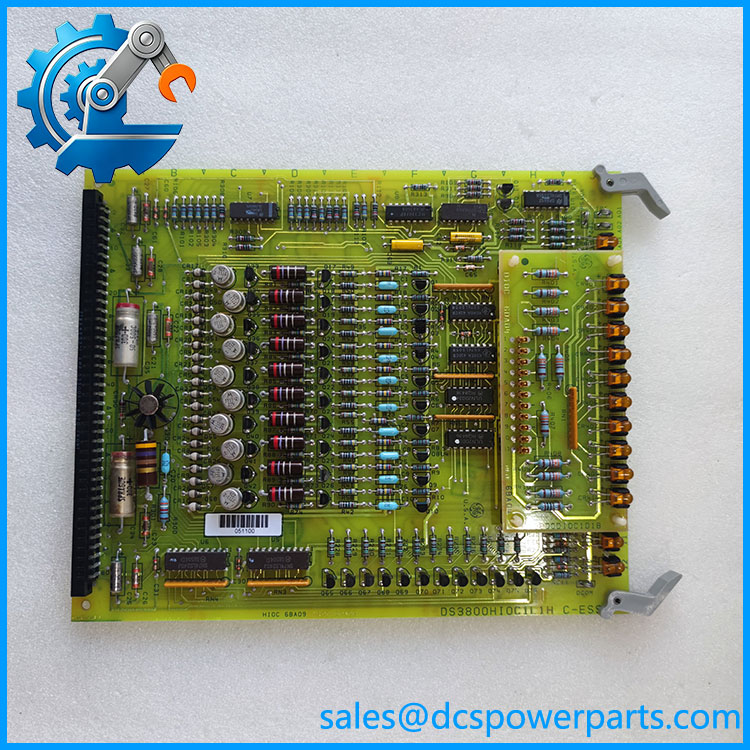
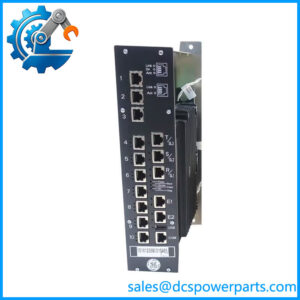
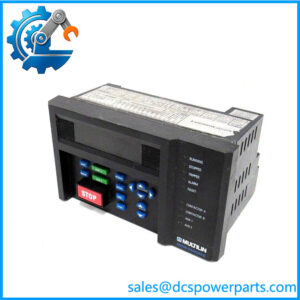
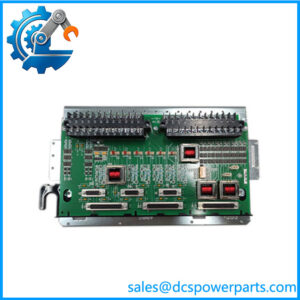
DS3800HIOC
Application Scenarios & Pain Points
Unplanned turbine trips driven by intermittent card failures cost operators thousands of dollars every hour, making rapid hardware swaps essential.
- Power Generation: Managing auxiliary digital interlocks and valve feedback loops on heavy-duty industrial gas turbines.
- Compressor Stations: Handling discrete sensor inputs where signal noise creates false trip signals in the main control panel.
- Petrochemical Plants: Operating older generation Mark IV systems across high-vibration auxiliary skid enclosures.
A mid-stream gas facility in the American Southwest experienced persistent communication drops on an older Mark IV core rack during a hot summer run. Swapping the erratic interface card for a verified surplus DS3800HIOC immediately cleared the fault codes and restored stable loop polling.
Related Products
- DS3800HCDA: Mark IV central processor card; coordinates core computing duties alongside digital I/O interface boards.
- DS200TCQAG1B: Mark V thermocouple terminal board; manages temperature monitoring loops in later platform iterations.
- IS200WETBH1B: Water detection terminal board; handles moisture induction loops for advanced Mark VI turbine systems.
- DS3800DVRA: Mark IV digital driver card; works adjacent to I/O boards to manage heavy actuator and solenoid switching loads.
- IS220PPRFH1B: PROFIBUS master gateway module; used when bridging modern network protocols into legacy-adjacent control spaces.
The Engineer’s Guide: Field Pitfalls to Avoid
- ESD Damage During Insertion: Handling the unshielded circuit board without proper grounding straps can instantly fry static-sensitive logic traces. How to avoid: Always discharge static potential against the metal chassis rack before touching the board components (watch those delicate edge fingers—alignment issues can bend pins on the backplane connector).
- Rack Slot Mismatch: Sliding the I/O card into an incorrect backplane slot position disrupts address bus mapping and triggers system faults. How to avoid: Verify slot assignments against your panel documentation and cabinet layout diagrams prior to seating the replacement unit.
- Failing Backplane Connectors: Inserting a new board into a connector choked with dust or oxidation leads to intermittent contact failures. How to avoid: Inspect the mother-board card edge slots carefully and clean contacts with approved electronic cleaner if necessary before sliding the module home.
Frequently Asked Questions (FAQ)
- Can the DS3800HIOC be hot-swapped in a live Mark IV rack? No, Mark IV enclosures do not support safe live-card replacement; you must shut down system power to the affected rack before pulling or inserting modules.
- Is this board compatible with Mark V or Mark VI systems? No, the DS3800 series is specifically engineered for the unique backplane and bus architecture of the legacy Mark IV control platform.
- What causes digital input channels to freeze on this board? Failures are typically caused by component aging, voltage surges coming through field wiring, or micro-cracks in the PCB traces from long-term thermal cycling.
- Are factory-sealed surplus units tested prior to shipment? Yes, verified surplus hardware undergoes rigorous bench simulation testing to confirm proper channel continuity and logic state responses.
- Does the module require software configuration changes upon installation? Because it operates as a direct hardware-mapped I/O card within the Mark IV architecture, a matching replacement generally requires no software reprogramming if slot allocation remains identical.