Description
Product Overview
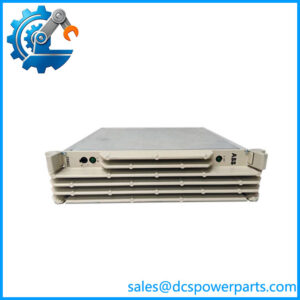
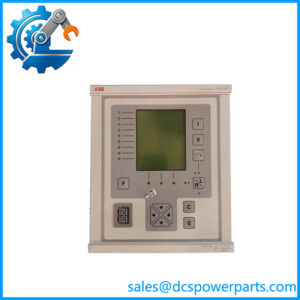
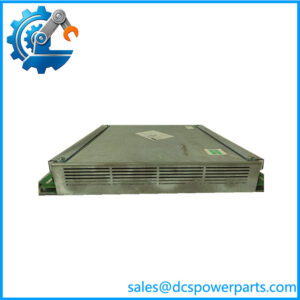
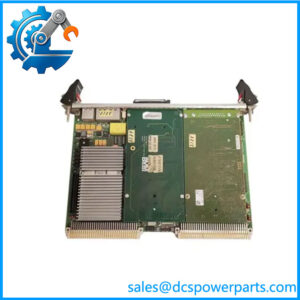
The ABB PCD235A101 3BHE032025R0101 is a combined input/output unit designed for the ABB AC 800PEC control platform. ABB’s catalog identifies it as the PC D235 A: PEC80-CIO FU. In an industrial control installation, this type of module provides signal interfaces between the control hardware and external equipment, supporting the exchange of digital and analog signals required by the configured application. It is associated with specialized control architectures, including generator excitation systems, where accurate signal acquisition and dependable command handling are important to system operation.
Supplier technical descriptions list 16 relay outputs, 12 digital inputs, three analog inputs, three analog outputs, three temperature-sensor interfaces, an isolated RS-485 interface, and an optical interface with three links. These channel details should be treated as reported specifications until confirmed against the correct ABB manual. The same descriptions identify redundant 24 V DC supply inputs and an independent watchdog function. Such features are relevant when assessing the module’s role in a configured control system, but they do not establish that every PCD235A101 installation uses the same I/O assignments or redundancy arrangement.
For maintenance and procurement teams, the ABB PCD235A101 should be matched to the installed hardware by its full order number, revision, connectors, and system documentation. This is particularly important in excitation-control applications, where an incorrect signal interface or configuration can affect commissioning and plant availability. Before approving a replacement, confirm the installed AC 800PEC architecture, required firmware or configuration, I/O wiring, and optical connections. Request evidence of functional testing for used or refurbished stock, and do not accept broad claims of compatibility as a substitute for verification against the original equipment.
Product Introduction
The PCD235A101 serves as a signal interface component within a programmable industrial control architecture. Its reported combination of digital, analog, temperature, and optical interfaces allows it to handle different signal types within a single hardware unit. In an excitation-system application, these interfaces may form part of the wider control and monitoring arrangement. The module’s actual role, however, depends on the installed control configuration and should be confirmed from the system drawings and approved parts documentation.
When replacing a failed module, record the terminal assignments and connector connections before removal, following the site’s maintenance procedures. Verify the required supply voltage, signal ranges, sensor types, and interface configuration. If the application uses redundant modules, confirm the redundancy arrangement and the procedure for transferring or restoring configuration. For used stock, ask the supplier to identify the unit’s condition, provide photographs of the actual nameplate and connectors, and document which I/O and communication functions were tested.
Key Technical Specifications
| Specification | Details |
|---|---|
| Manufacturer | ABB |
| Model | PCD235A101 |
| Order number | 3BHE032025R0101 |
| Catalog description | PC D235 A: PEC80-CIO FU |
| Product type | Combined input/output unit |
| Control platform | ABB AC 800PEC |
| Application association | Industrial control and excitation-system installations |
| Supply input | Redundant 24 V DC reported |
| Permissible supply range | 20–28 V DC reported by supplier documentation; verify against the applicable manual |
| Digital inputs | 12 reported; 24 V or 48 V input arrangements are described in supplier records |
| Relay outputs | 16 reported |
| Analog inputs | 3 reported; voltage or current input ranges depend on configuration |
| Analog outputs | 3 reported; ±10 V is reported |
| Temperature inputs | 3 reported for PT100 or PTC sensors |
| Serial interface | Isolated RS-485 interface reported |
| Optical interface | One optical module interface with three optical links reported |
| Watchdog | Independent watchdog function reported |
| Operating temperature | −25°C to +70°C reported by one supplier; confirm the official rating |
| Protection rating | Not reliably verified |
| Dimensions | ABB catalog lists approximately 142 mm depth and 373 mm height; width not established by the cited catalog record |
| Weight | ABB catalog lists net weight of approximately 0.98 kg |
The ordering code, catalog description, dimensions, and weight are listed in an ABB product record. The detailed channel counts and electrical characteristics come from supplier technical descriptions and should be confirmed against the applicable ABB documentation before installation.
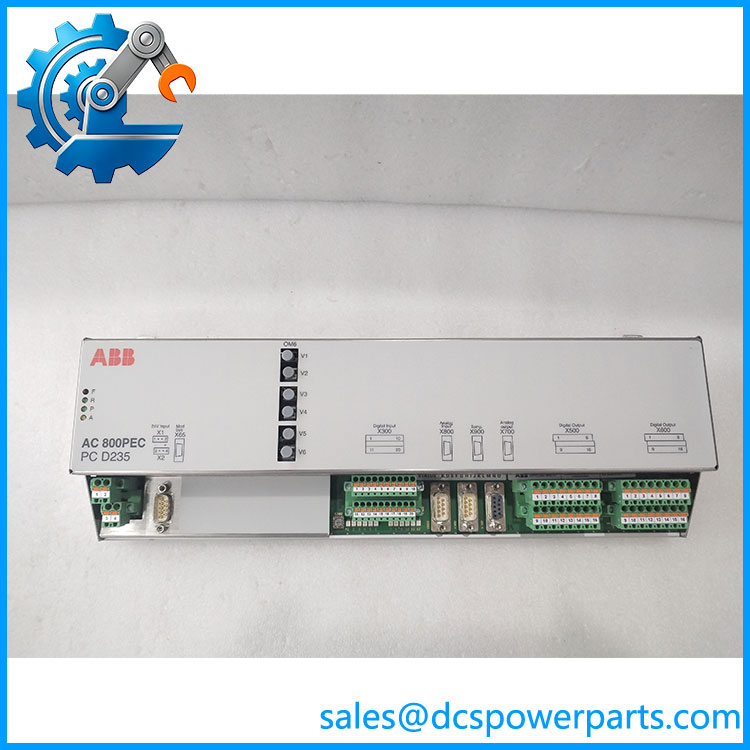
PCD235A101
Related Products
These components are associated with the wider ABB control and excitation ecosystem. They are not confirmed direct replacements for the PCD235A101.
- ABB AC 800PEC control platform — The control architecture associated with the catalog description.
- ABB PD D205 A — An FPGA-based control module identified in supplier descriptions of the PCD235A assembly.
- ABB PCD231B101 — A related model in the PCD23x family; verify application and hardware differences before considering substitution.
- ABB UNITROL excitation systems — A relevant product family for installations using excitation control; confirm the exact system generation and module compatibility.
- ABB PPD113 series — Power-electronics components appearing in excitation-system configurations; select only according to the system design.
Frequently Asked Questions
Q1: What is the ABB ?
It is a combined input/output unit associated with the ABB AC 800PEC control platform. Its reported interfaces include digital, analog, temperature-sensor, serial, and optical connections.
Q2: What is its full order number?
The associated ABB order number is 3BHE032025R0101. The catalog description is PC D235 A: PEC80-CIO FU.
Q3: Does the use 24 V DC power?
Supplier descriptions identify redundant 24 V DC supply inputs and report a 20–28 V DC range. Verify the allowable input range and current requirements in the applicable hardware manual before powering the unit.
Q4: How many I/O channels does it have?
Supplier documentation reports 12 digital inputs, 16 relay outputs, three analog inputs, three analog outputs, and three temperature-sensor interfaces. Confirm the channel assignments and electrical limits for the exact hardware version.
Q5: Is it used in generator excitation systems?
It is associated with ABB control and excitation-system applications. Its precise function within a particular installation depends on the system architecture and configured application.
Q6: Can it be replaced with another PCD235-series module?
Not without verification. Similar model numbers do not establish equivalent I/O, firmware, connector, or application characteristics. Obtain confirmation from the relevant ABB documentation or approved replacement list.
Q7: What should I check before purchasing?
Verify the complete order number and hardware revision, supply requirements, I/O specifications, optical connections, system compatibility, and module condition. For refurbished units, request actual-item photographs and test evidence.
Procurement recommendation
For the ABB , prioritize exact order-code matching and verification of the installed I/O and optical configuration. If it is being purchased for an excitation-control system, confirm the replacement against the original system drawings and commissioning requirements before installation.