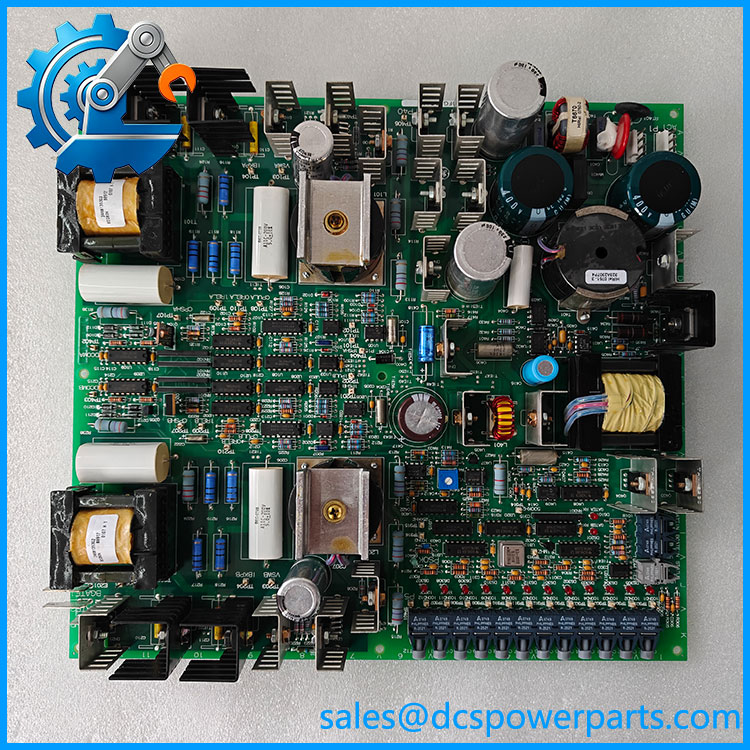
Description
Product Introduction (Non-Templated)
Plant floor operators tracking down intermittent process controller faults know the disruptive cost of rack-level communication dropouts. When an aging CPU on an established legacy automation network throws fatal watchdog errors, sourcing an exact drop-in replacement avoids a painful, multi-week system redesign.
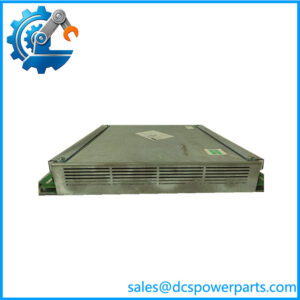
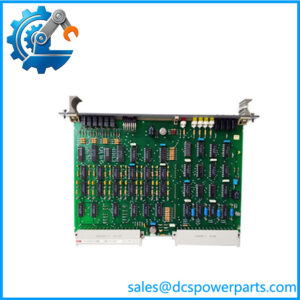
The GJR5253100R1260 (BCU05G) serves as a core processing engine within ABB’s Advant Controller family. Deploying this controller board restores deterministic processing power to legacy control systems without requiring changes to existing backplane wiring or field termination layouts.
Key Technical Specifications
- Controller Architecture: Advant Controller 31 (AC31) Platform
- Input Voltage: 24 VDC (19.2 to 28.8 VDC tolerance)
- Mounting Style: DIN-rail or dedicated base rack mounting
- Communication Interfaces: Onboard serial and network ports (dependent on system configuration)
- Operating Temperature Range: 0°C to 55°C (32°F to 131°F)
- Enclosure Protection: IP20 open chassis layout
- Diagnostics: Board-level status LEDs (RUN, ERR, and communication states)

GJR5253100R1260-BCU05G
Application Scenarios & Pain Points
Unexpected controller halts on continuous industrial processes create expensive downtime loops, requiring dependable hardware swap-outs to maintain plant metrics.
- Water Treatment Facilities: Managing remote pumping station logic loops where processor freezes lead to tank overflow risks.
- Specialized Manufacturing: Controlling high-speed packaging and bottling lines utilizing legacy ABB/Corpoplast machinery ecosystems.
- Power Generation Auxiliaries: Coordinating localized burner management and valve sequencing interlocks.
A chemical processing plant in the US Gulf Coast experienced sporadic memory parity faults on an aging AC31 rack during a high-ambient temperature spike. Swapping the failing controller out for a verified surplus BCU05G unit immediately restored stable program execution cycles.
Related Products
- 07KT98: Base processor designation often associated with this hardware revision; shares identical functional firmware compatibility profiles.
- TB521: Terminal block accessory module; sits adjacent to the controller to cleanly organize field sensor and actuator wiring drops.
- 07DC91: Digital input/output expansion module; mounts alongside the CPU to increase local discrete channel capacity.
- 07AI91: Analog input expansion board; handles proportional sensor signals upstream of the central processing unit.
- GJR5252100R1202: Alternative older-generation ABB processor variant; differs in memory capacity and native communication protocol options.
The Engineer’s Guide: Field Pitfalls to Avoid
- Lithium Battery Backup Failure: Ignoring a low-battery warning on the controller risks losing volatile user program logic during a sudden plant power loss. How to avoid: Check and replace the internal backup coin cell or lithium module proactively during scheduled annual maintenance turnarounds.
- Firmware Version Discrepancies: Swapping a processor unit loaded with an incompatible firmware revision will trigger configuration mismatch blocks in the programming software. How to avoid: Back up the active project file using ABB programming tools and flash the replacement unit to the exact firmware build before placing it into service.
- Improper Grounding of Communication Shields: Leaving serial or network cable shields floating at both ends introduces electrical noise that corrupts data packets (take your time securing those drain wires to the chassis ground lug—unmitigated EMI causes random processor reset loops).
Frequently Asked Questions (FAQ)
- What software is used to program and monitor the BCU05G? Configuration and logic modifications are typically managed via ABB’s Control Builder or programming suites designed for the Advant Controller 31 family.
- Can I hot-swap this CPU rack module while the panel is energized? No, AC31 backplanes lack hot-swap capabilities; always power down the 24 VDC supply rail before pulling or inserting the controller module.
- What do the diagnostic LEDs on the front panel indicate? They provide immediate visual status on power rails, CPU execution health (RUN/STOP), and active communication bus traffic.
- Are factory-sealed surplus units shipped with user programs pre-loaded? No, replacement units typically arrive cleared of application code, requiring you to download your facility’s specific project backup file upon installation.
- What causes the unit to enter a constant watchdog fault state? A persistent watchdog error usually points to corrupted non-volatile memory, severe power supply ripple, or an internal hardware component failure requiring bench evaluation.