Description
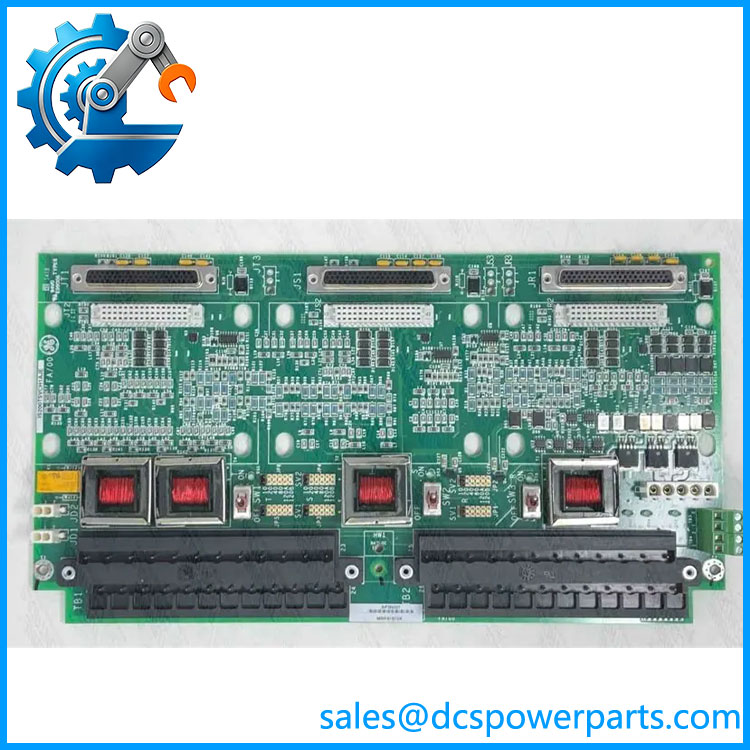
GE IS200TSVCH1AJE
Key Technical Specifications
| Parameter | Specification |
|---|---|
| Manufacturer | General Electric |
| Model | IS200TSVCH1AJE |
| Base Board | IS200TSVCH1A |
| Functional Acronym | TSVC |
| Product Type | Servo I/O Terminal Board |
| System | GE Mark VI Turbine Control |
| Primary Function | Servo valve and LVDT signal interface |
| Servo Channels | 2 |
| Servo Valve Interface | Bidirectional servo-current outputs |
| Position Feedback | LVDT |
| LVDT Channels | Up to 8 LVDT connections reported for the board |
| Pulse Inputs | 2 pulse-rate inputs |
| Auxiliary Supply | Three 28 VDC supplies via J28 |
| External Trip | JD1/JD2 connections |
| Terminal Blocks | Two 24-terminal I/O terminal blocks |
| Wiring Capacity | Up to #12 AWG reported |
| Redundancy | Simplex / Dual / TMR |
| PCB Revision | A functional revision; extended suffix must be matched |
| Installation | Mark VI turbine-control cabinet/rack assembly |
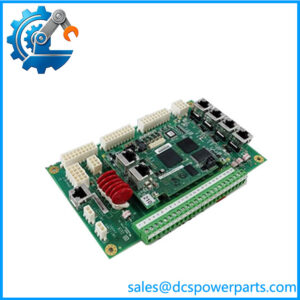
The TSVC board documentation identifies two bidirectional servo-current outputs, LVDT position feedback, LVDT excitation, and two pulse-rate inputs. It also uses two 24-terminal field terminal blocks and supports simplex, dual, and TMR control arrangements.
Product Introduction
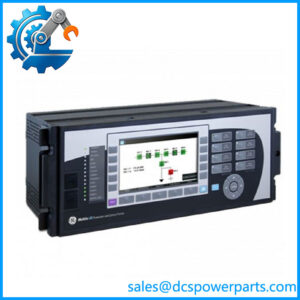
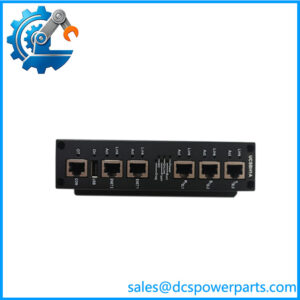
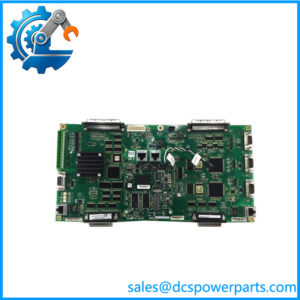
The GE IS200TSVCH1AJE is a Mark VI TSVC Servo I/O Terminal Board used to connect turbine control electronics with electro-hydraulic servo valves and valve-position instrumentation. The board sits at the field-interface level of the Mark VI servo-control architecture, handling servo-valve connections and LVDT feedback rather than functioning as a standalone PLC CPU or generic analog I/O card.
The GE IS200TSVCH1AJE is particularly relevant in turbine maintenance because servo feedback and actuator wiring are directly tied to fuel, steam, or other turbine valve positioning functions. The TSVC terminal board is reported as compatible with the PSVO I/O pack and WSVO servo driver, while the available documentation specifically distinguishes this architecture from the VSVO processor.
For procurement, the complete suffix matters. IS200TSVCH1AJE should not automatically be substituted with another TSVC board merely because the base number is similar. Confirm the full board number, functional revision, associated servo hardware, wiring arrangement, and redundancy configuration.
IS200TSVCH1AJE
Application Scenarios & Field Pitfalls — The Engineer’s Perspective
Engineering Pain Point
Servo-control faults are often difficult to isolate because the control loop includes the controller, I/O hardware, terminal board, servo driver, valve coil, LVDT excitation, feedback wiring, and hydraulic actuator. Replacing the TSVC board without separating an electronic fault from a field-device fault can result in an unnecessary board swap while the actual problem remains in the valve or feedback circuit.
Typical Applications
- Gas turbine fuel-valve control — Servo interface for turbine fuel-actuation systems.
- Steam turbine valve control — Interface between Mark VI control electronics and electro-hydraulic valve actuators.
- Inlet guide vane control — Servo feedback and actuator interface where configured.
- Legacy Mark VI maintenance — Replacement of aging TSVC terminal hardware during planned outages.
- Turbine control cabinet refurbishment — Preservation of existing servo wiring and control architecture.
Technical Pitfalls
1. Do not call IS200TSVCH1AJE the servo driver itself.
TSVC is the Servo I/O Terminal Board. The board interfaces with associated servo I/O/driver hardware. Treating the terminal board as a standalone servo amplifier can lead to incorrect replacement selection.
2. Match the associated I/O hardware.
Available documentation identifies TSVC as compatible with the PSVO I/O pack and WSVO servo driver, and specifically states that it is not compatible with the VSVO processor. Verify the actual Mark VI configuration before ordering.
3. Check LVDT wiring carefully.
The TSVC interface handles LVDT excitation and position feedback. A damaged shield, incorrect excitation connection, open winding, or poor termination can produce a servo-position fault that looks like an electronics failure.
4. Verify the complete suffix.
The difference between IS200TSVCH1A and the extended IS200TSVCH1AJE should not be ignored. Record the complete board identification from the physical assembly before purchasing.
5. Check redundancy configuration.
The TSVC design supports simplex, dual, and TMR applications. The installed redundancy arrangement affects how the board is wired and commissioned.
6. Do not substitute by current rating alone.
Secondary listings give different servo-current figures for this family. Do not use generic ±40 mA, ±50 mA, ±80 mA, or ±100 mA descriptions as a substitute for the actual Mark VI configuration documentation.
7. Test the complete loop after replacement.
A proper maintenance check should cover the TSVC board, servo driver, valve coil, LVDT excitation, LVDT return signals, terminal wiring, and controller diagnostics. Simply confirming that the board powers up does not establish servo-loop health.
Related Products
- GE IS200TSVCH1A — Base TSVC Servo I/O Terminal Board designation; the closest reference for the IS200TSVCH1AJE assembly.
- GE IS210WSVOH1AC — Mark VI servo driver board used in the associated servo-control architecture.
- GE PSVO I/O Pack — Associated servo I/O hardware identified for TSVC applications.
- GE IS200TQBAH1B — Mark VI analog-output terminal hardware used in other turbine-control configurations.
- GE IS200TVIBH1B — Mark VI LVDT/servo-related terminal hardware; verify exact application before substitution.
- GE IS200TBAIH1C — Mark VI analog terminal-board family; different signal/interface function.
- GE IS200TDBTH6A — Mark VI discrete I/O terminal board; not a substitute for TSVC.
- GE IS200STCIH2A — Mark VI contact-input terminal hardware; different field interface.
- GE IS220UCSAH1A — Mark VI controller/I/O pack family; system role differs from the TSVC terminal board.
Procurement Note
For GE IS200TSVCH1AJE, request the complete board label, functional revision, material reference number if present, and a clear photograph of the terminal/connectors. Also capture the associated PSVO/WSVO hardware, Mark VI rack location, and simplex/dual/TMR configuration. For a used spare, inspect the terminal blocks and connectors carefully and verify the servo/LVDT interface before placing the board back into a turbine control loop.