Description
Key Technical Specifications
| Parameter | Value |
|---|---|
| Manufacturer | FEC Inc. / Daiichi Dentsu |
| Model | NFT-801RM3-S |
| Product Type | Servo Nutrunner Tool |
| Tool Style | Straight Type |
| Series | AFC3000 |
| Maximum Torque | 78.4 Nm |
| Maximum Speed | 500 rpm |
| Weight | Approx. 4.5 kg |
| Total Length | Approx. 408 mm |
| Square Drive Size | 12.7 mm |
| Minimum Pitch | 61 mm |
| Compatible Controller | MFC-S060 |
| Motor Type | Servo motor driven |
| Torque Control | Closed-loop servo torque control |
| Application | Automated fastening systems |
Product Introduction
FEC NFT-801RM3-S Overview
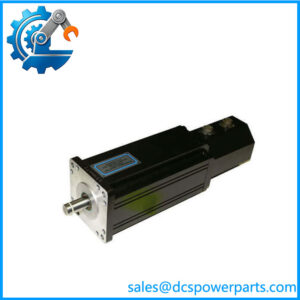
The FEC NFT-801RM3-S is a high-torque servo nutrunner tool designed for automated industrial fastening applications requiring controlled tightening force, repeatability, and process monitoring. It belongs to the FEC/Daiichi Dentsu AFC series of electric fastening tools and is designed to operate with dedicated nutrunner controllers for production environments.
The FEC NFT-801RM3-S provides a maximum torque output of approximately 78.4 Nm with a maximum operating speed of 500 rpm, making it suitable for medium-duty fastening operations where accurate torque application is required. The straight tool configuration allows integration into automated assembly fixtures, robotic stations, and fixed-position tightening equipment.
The FEC NFT-801RM3-S uses servo motor technology to control fastening torque and rotation speed. Unlike conventional pneumatic tools, servo nutrunners provide electronic feedback and programmable control parameters, allowing manufacturers to monitor tightening results, detect abnormal fastening conditions, and maintain consistent assembly quality.
The FEC NFT-801RM3-S is designed to work with the MFC-S060 controller platform, which manages motor control, torque calculation, communication, and fastening sequence execution. The complete system consists of the nutrunner tool, controller, cables, and machine control interface.
The is commonly installed in automotive production lines, electric vehicle assembly, machinery manufacturing, and industrial equipment production where bolt tightening accuracy directly affects product reliability.
When replacing an , engineers should verify the controller compatibility, tool calibration data, torque requirements, cable condition, fastening program parameters, and mechanical mounting arrangement. Replacing the tool without checking calibration and system configuration may result in incorrect tightening values.
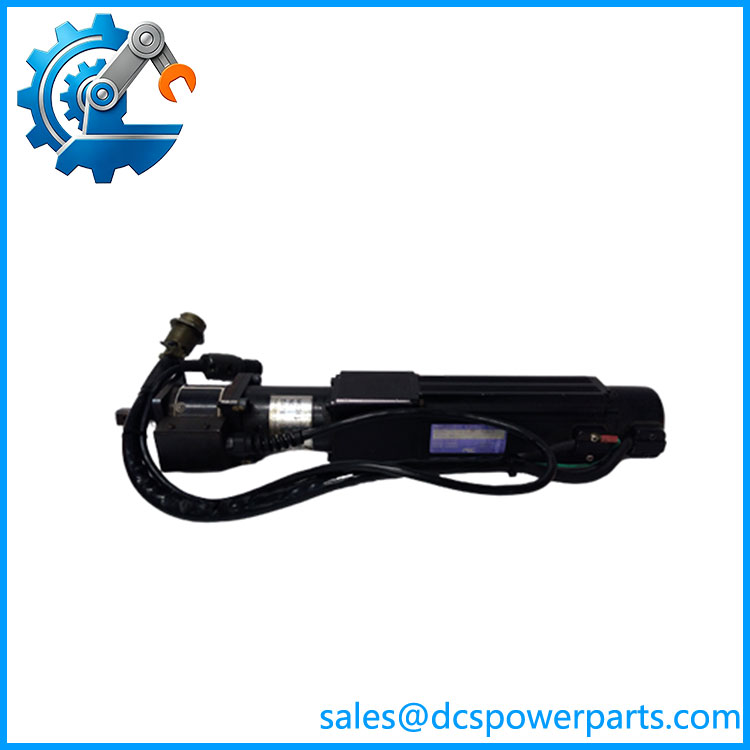
NFT-801RM3-S
Application Scenarios & Field Considerations
Engineering Pain Point
A production line experiences:
- Torque deviation alarms
- Loose or over-tightened fasteners
- Tool communication errors
- Calibration failures
- Reduced assembly consistency
The nutrunner may be suspected, but other causes can include:
- Incorrect fastening parameters
- Controller faults
- Damaged cables
- Mechanical fixture problems
- Incorrect torque calibration
Recommended troubleshooting steps:
- Verify torque calibration
- Check controller communication
- Inspect motor cable connections
- Review fastening program settings
- Confirm tool mechanical condition
The provides the torque-controlled fastening function, but final assembly quality depends on the complete fastening system.
Typical Applications
Automotive Assembly
Used for:
- Chassis fastening
- Powertrain assembly
- Battery pack assembly
- Structural bolt tightening
Industrial Equipment Manufacturing
Applied for:
- Machine frame assembly
- Motor installation
- Mechanical component fastening
Electronics and Precision Manufacturing
Used for:
- Controlled screw fastening
- Repeatable production processes
- Automated assembly stations
Robotic Assembly Systems
Applied for:
- Robot-mounted tightening tools
- Fixed workstation fastening
- Production line automation
Technical Pitfalls to Avoid
1. Verify Controller Compatibility
Before replacement, confirm:
- MFC controller model
- Cable configuration
- Communication settings
- Tool firmware compatibility
The tool and controller operate as a matched system.
2. Perform Torque Calibration
Check:
- Torque accuracy
- Calibration interval
- Measurement equipment condition
- Stored calibration values
Incorrect calibration can create production quality issues.
3. Inspect Mechanical Components
Verify:
- Gear mechanism condition
- Output shaft wear
- Square drive condition
- Tool mounting alignment
4. Review Fastening Parameters
Confirm:
- Target torque
- Rotation speed
- Angle settings
- Tightening sequence
Related Products
- FEC MFC-S060 Controller
Controller platform compatible with for servo nutrunner operation. - FEC NFT-132RM3-S
Higher torque straight nutrunner model rated around 127.4 Nm. - FEC NFT-202RM3-S
Higher torque servo fastening tool for heavier assembly applications. - FEC AFC3000 Series Nutrunner System
Automated fastening platform supporting multiple torque ranges and tool configurations.