Description
Product Overview
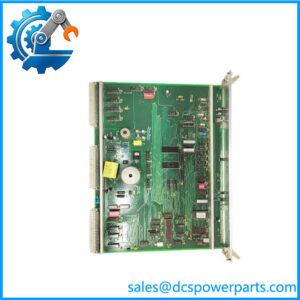
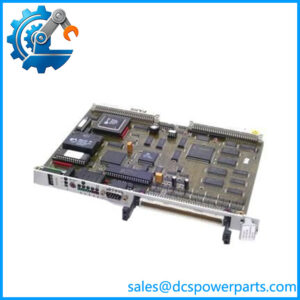
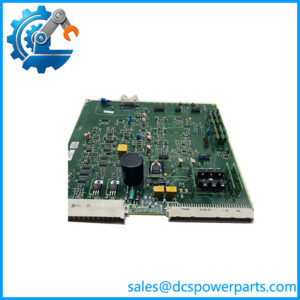
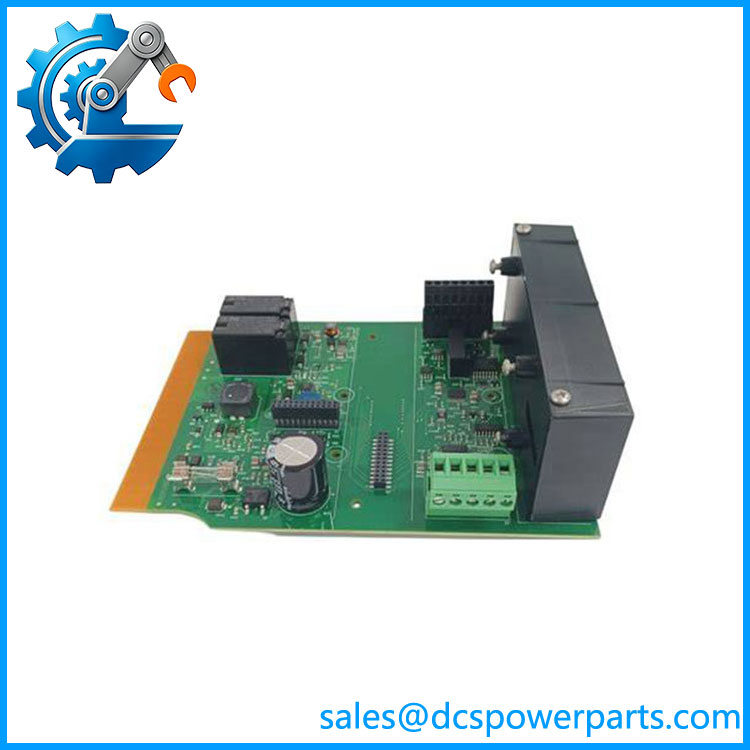
ALSTOM EP3-F-4-EN is a dedicated industrial controller module from the EPIC III automation platform. It is designed for controlling and monitoring electrostatic precipitator (ESP) equipment used in industrial emission control applications. The module processes field signals, executes control algorithms, manages operating parameters, and communicates system information to higher-level automation systems.
The ALSTOM EP3-F-4-EN integrates processor capability, digital signal handling, analog measurement inputs, and Ethernet communication functions into a compact industrial control unit. It acts as the main control element for ESP applications where stable regulation of high-voltage rectifier equipment, rapping systems, and field operating conditions is required.
Typical system architecture:
DCS / SCADA System → Ethernet Network → EP3-F-4-EN Controller → ESP Field Equipment → High Voltage Rectifier / Rapping System
The EP3-F-4-EN is part of the EPIC III controller family developed for industrial environmental control systems. Unlike a standard PLC CPU, it is application-specific hardware with dedicated functions for electrostatic precipitator operation, including process monitoring, alarm handling, and control sequence execution.
Typical installation environments include:
- Coal-fired power plants
- Cement production facilities
- Steel manufacturing plants
- Waste incineration systems
- Industrial exhaust treatment equipment
The ALSTOM EP3-F-4-EN supports long-life industrial installations where maintaining the existing ESP control platform is often preferred. When this controller fails, symptoms may include loss of ESP regulation, communication alarms, incorrect field feedback, high-voltage control faults, or incomplete startup sequences.
Before replacement, engineers should verify:
- Exact EPIC III controller model
- Hardware revision
- Firmware version
- I/O configuration
- Network settings
- Existing application parameters
A replacement controller should be tested as part of the complete ESP control system because correct operation depends on software configuration, field wiring, and connected high-voltage control equipment.
Technical Specifications
| Parameter | Specification |
|---|---|
| Manufacturer | ALSTOM |
| Model | EP3-F-4-EN |
| Product Type | EPIC III Controller Module |
| Application | Electrostatic precipitator control |
| CPU | 32-bit RISC processor |
| Digital Inputs | 32 × 24 VDC |
| Analog Inputs | 4 × 0/4–20 mA |
| Communication Interface | Ethernet (EN version) |
| Power Supply | 100–240 VAC ±10% (configuration dependent) |
| Power Consumption | Approx. 15 W typical |
| Isolation | Supply-to-logic isolation approx. 1.5 kV AC |
| Real-Time Clock | Battery-backed RTC |
| Operating Temperature | -20°C to +70°C |
| Storage Temperature | -40°C to +85°C |
| Mounting | EPIC III control cabinet/rack |
| Application Environment | Industrial emission control systems |
Specifications are based on available EPIC III EP3 controller references.
EP3-F-4-EN
Main Features and Advantages
Dedicated ESP Control Processing
The main purpose of the is controlling electrostatic precipitator operation through real-time processing of field measurements and operating commands.
Typical functions:
- High-voltage regulation
- Current and voltage monitoring
- Alarm processing
- Rapping sequence management
- Equipment status monitoring
EPIC III Platform Compatibility
The belongs to the ALSTOM EPIC III control family designed specifically for industrial emission control applications.
The platform is commonly used where continuous operation and accurate process monitoring are required.
Typical systems include:
- Flue gas cleaning equipment
- Dust removal systems
- Industrial air pollution control installations
Integrated I/O and Communication Functions
The controller combines multiple interface functions:
- Digital field input monitoring
- Analog process measurement
- Ethernet communication
- Internal diagnostics
This reduces the need for additional interface hardware in the control cabinet.
Industrial Environmental Application Design
ESP control systems operate in demanding environments with:
- Electrical noise
- High-voltage equipment nearby
- Continuous operation requirements
- Large industrial loads
The EPIC III controller design includes electrical isolation and industrial control features intended for these conditions.
Legacy System Maintenance Support
Many power and industrial plants continue operating ALSTOM EPIC III systems.
Maintaining spare modules helps support:
- Existing emission control equipment
- Original control engineering
- Reduced retrofit requirements
Application Scenarios
Thermal Power Plants
Used for:
- Fly ash collection
- ESP field regulation
- Emission monitoring
Cement Plants
Applications:
- Kiln exhaust dust control
- Multi-field ESP management
Steel Plants
Used for:
- Sintering exhaust treatment
- Industrial dust removal
Waste-to-Energy Facilities
Applications:
- Flue gas cleaning
- Environmental compliance systems
Related Components
| Model | Function |
|---|---|
| EP3-E-4-EN | EPIC III controller variant |
| EP3-E-4-S | EPIC III controller variant |
| EP3-E-8-EN | EPIC III controller with expanded configuration |
| PIB101C | ALSTOM interface board |
| PIB102A 3BEB0180 | ALSTOM communication interface board |
Engineer’s Guide: Field Pitfalls
⚠️ Verify Firmware and Application Data
A replacement EP3 controller may require:
- Matching firmware
- Correct configuration files
- Network parameters
- ESP operating settings
⚠️ Check Field Wiring Before Replacement
Controller faults can be caused by:
- Incorrect signal wiring
- Damaged sensors
- Communication cable problems
- External power issues
⚠️ Confirm Ethernet Configuration
For EN versions, verify:
- IP address
- Network settings
- DCS communication mapping
- Cable condition
⚠️ Check High Voltage Equipment
ESP controller faults may originate from:
- Rectifier equipment
- High-voltage transformer units
- Rapping mechanisms
- Field feedback circuits
⚠️ Refurbished Controller Testing Requirements
Recommended checks:
- Visual inspection
- Power supply verification
- I/O channel testing
- Ethernet communication test
- Firmware verification
- EPIC III system integration test
- Extended operation monitoring
Frequently Asked Questions
What is ALSTOM ?
The is an EPIC III controller module used for electrostatic precipitator automation and emission control systems.
Is a PLC CPU?
It is a dedicated industrial controller module rather than a general-purpose PLC CPU.
Where is used?
It is mainly used in industrial ESP systems such as power plants, cement plants, and steel production facilities.
Can replace EP3-E-4-EN?
Not automatically. Compatibility depends on firmware, hardware revision, application configuration, and system design.
What should be checked before replacement?
Verify:
- Model:
- Hardware revision
- Firmware version
- I/O configuration
- Ethernet parameters
- ESP application settings
- System documentation