Description
AEG 029.059 270
Product Introduction
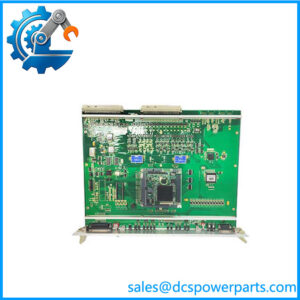
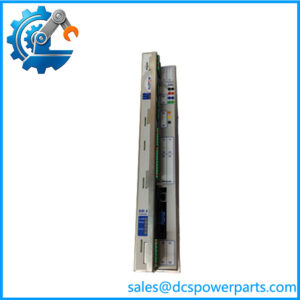
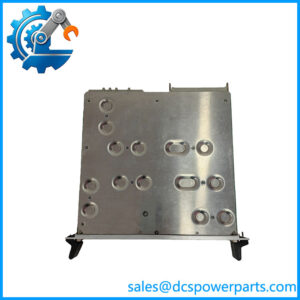
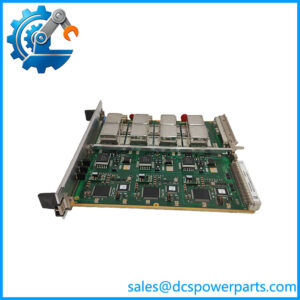
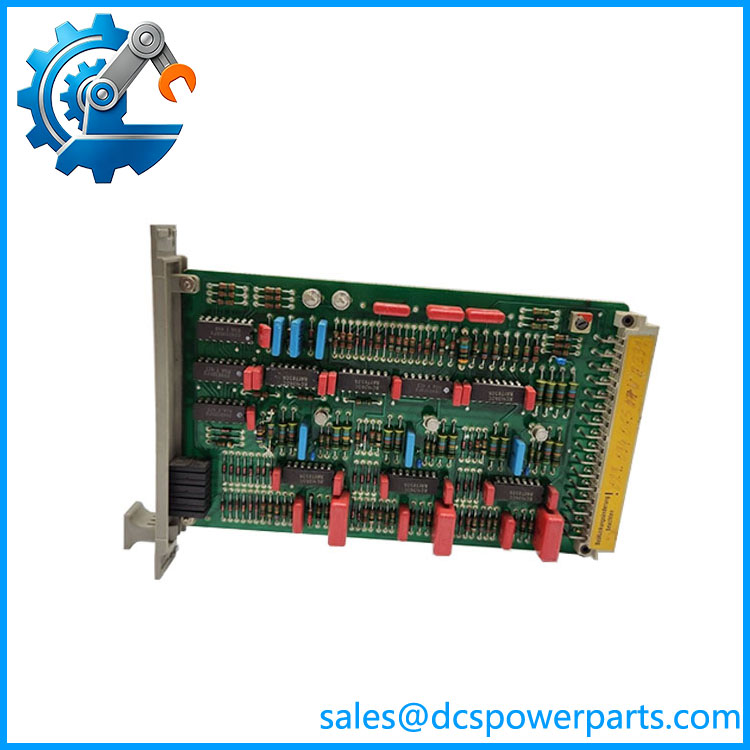
The AEG 029.059 270 is a legacy industrial printed circuit board used as part of an AEG control-system assembly. Current records consistently identify the part as a PCB or circuit board rather than a standalone PLC CPU, field I/O module, or conventional communication interface. Several historical component listings associate AEG 029.059 270 with part number 029.059 271, while another identifies the assembly in connection with the AEND 2 and PR 25/15 designations.
The exact functional role of the AEG 029.059 270 should be established from the installed equipment documentation rather than inferred from the part number alone. A separate current listing describes the 029.059 270 as a Cegelec/SAM Electronics “Pulse Unit,” while other industrial-part records simply classify it as a circuit board. This difference is important for replacement work because the AEG/AEG-Siemens legacy product lineage includes numerous board-level assemblies whose function depends on the host drive, converter, propulsion, or automation system.
For procurement, the AEG 029.059 270 should therefore be treated as an exact-revision spare rather than a generic PCB. Before installation, compare the board identification, connector arrangement, component population, revision markings, associated 029.059 271 designation, and host-system documentation. Publicly available records do not provide sufficient primary documentation to responsibly state the board’s voltage, I/O count, communication protocol, operating temperature, or detailed control function.
Technical Specifications
| Parameter | Specification |
|---|---|
| Product Model | 029.059 270 |
| Manufacturer / Brand | AEG |
| Product Type | Industrial PCB / control circuit board |
| Associated Part Number | 029.059 271 |
| Associated Marking | AEND 2 |
| Associated Equipment Reference | PR 25/15 |
| Functional Role | System-dependent control/interface PCB |
| Communication Protocol | Not verified |
| Working Voltage | Not verified |
| I/O Channels | Not verified |
| Interface Type | Board-level connectors |
| Operating Temperature | Not verified |
| Mounting Method | Equipment/cabinet internal mounting |
| Protection Rating | Not verified |
| Operating Accuracy | Not applicable / not verified |
| Board Weight | Approximately 130 g in one component listing |
| Replacement Status | Legacy / obsolete equipment application |
The 130 g figure and the AEND 2 / PR 25/15 association come from secondary component records rather than an original AEG technical manual, so they should be treated as identification aids rather than certified specifications.
Main Features and Engineering Considerations
Exact board identification
The most important feature of the AEG 029.059 270 is its exact part-number identity. Legacy AEG boards frequently use closely related numbering, and available records show 029.059 270 together with 029.059 271. A physically similar board is not automatically an electrically compatible replacement.
AEND 2 association
One component catalog identifies the board as 029.059 270 / 029.059 271 — AEND 2 — St4Pr 25/15 — A331 347. These associated markings can be valuable when matching an old board against cabinet drawings or photographs. They should not, however, be interpreted as a complete functional specification without the original system documentation.
Legacy control equipment
The board appears in industrial automation and marine/industrial spare-parts inventories, indicating that replacement demand is primarily associated with installed legacy equipment rather than new standardized PLC platforms. Records identify the part as an industrial PCB and also connect it with Cegelec/SAM Electronics equipment.
Do not assume modern PLC functionality
This is not documented as a standalone PLC CPU or Ethernet communication module. Treating it as a generic controller can lead to incorrect replacement selection. The correct approach is to identify the parent assembly and board-to-board connections first.
Component-level condition matters
For a used or refurbished AEG 029.059 270, inspection should include connector condition, PCB contamination, corrosion, solder joints, electrolytic capacitors, relays or semiconductor devices where fitted, and evidence of previous component replacement.
Application Scenarios
- Legacy AEG industrial control systems
- AEG power-control equipment
- Industrial drive and converter assemblies
- Legacy Cegelec/SAM Electronics equipment
- Marine automation spare-part applications
- Industrial control cabinet maintenance
- Replacement of failed legacy control PCBs
- Planned maintenance stock for discontinued equipment
Engineer’s Guide: Field Pitfalls
Do not assume the electrical function from the part number. Public records classify the item as a PCB, but they do not provide enough primary documentation to establish every circuit function.
Check 029.059 270 against 029.059 271. Multiple records associate these two numbers, and some listings describe them together as an AEND 2 PCB card.
Photograph the original board before removal. Capture every printed designation, revision, connector label, jumper position, and component marking.
Verify the host equipment. The same spare-part number can be difficult to interpret without the cabinet, converter, propulsion, drive, or control-system model in which it is installed.
Do not transfer voltage specifications from another AEG PCB. The available sources do not provide a reliable primary specification for the working voltage of this exact board.
Inspect connectors carefully. On older industrial systems, connector oxidation and mechanical wear can cause intermittent faults that are easily mistaken for PCB failure.
Check revision compatibility. If the replacement board carries a different revision or associated 029.059 271 designation, confirm compatibility against the equipment documentation before installation.
Test the board at system level. A visual inspection alone cannot confirm timing, pulse generation, feedback processing, or other functions that may be associated with the board.
Frequently Asked Questions
What is AEG 029.059 270?
It is a legacy AEG industrial printed circuit board / control PCB. Available records associate it with 029.059 271 and AEND 2 markings.
Is AEG 029.059 270 a PLC CPU?
There is insufficient evidence to classify it as a standalone PLC CPU. It should be treated as a system-specific PCB.
Is 029.059 270 the same as 029.059 271?
They are closely associated in several spare-part records, but they should not be assumed electrically identical without the original equipment documentation.
What is AEND 2?
AEND 2 is an associated designation appearing in component records for the 029.059 270/271 board combination. The available sources do not provide sufficient original documentation to define every functional aspect of that designation.
Is this a pulse unit?
One listing specifically describes 029.059 270 as a Cegelec/SAM Electronics pulse unit. Other sources classify the same part simply as a PCB. Because the available evidence is inconsistent, the pulse-unit designation should be confirmed against the installed system before using it as the formal engineering description.
Can another AEG PCB be used as a substitute?
Not without verification. Connector arrangement, board revision, component population, firmware or logic implementation, and host-system compatibility all need to be checked.
Procurement Note
Specify the item as:
AEG 029.059 270 — Industrial Control PCB / Printed Circuit Board
For a replacement purchase, request confirmation of:
- Exact part number: 029.059 270
- Board revision
- Any 029.059 271 marking
- AEND 2 marking, if present
- PR 25/15 or other host-system designation
- Connector configuration
- PCB photographs
- Component-population comparison
- Original equipment/system model
- Condition: new old stock, used, or refurbished
- Functional test results where available
For this particular legacy board, system identification is more important than a generic specification sheet. The available public records confirm the board identity but do not provide enough reliable primary documentation to justify invented voltage, I/O, communication, temperature, or accuracy specifications. That distinction should remain explicit when the part is used for engineering replacement or procurement.